Unplugged Performance Adds Three-Row CyberSUV to Tesla Production Proposal
- Joseph Jones
- 941 views
Unplugged Performance’s revised plan pairs Cybertruck production with a three-row SUV and proposes license, parts, software and ownership revenue for Tesla.
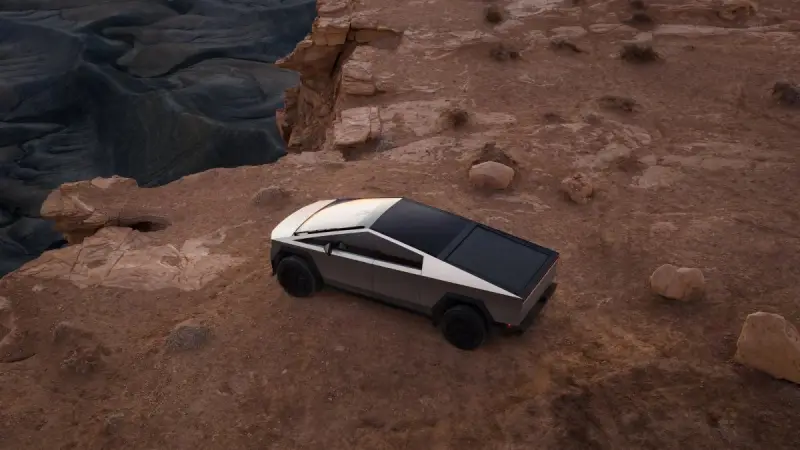
Unplugged Performance’s revised proposal gives Tesla a reason to consider keeping Cybertruck production alive: the same repurposed line could build a three-row CyberSUV, while Tesla would earn revenue from each vehicle. The tuner says Tesla wouldn’t pay more than it would spend dismantling the existing line. Whether that offer can solve the practical challenges of running the program at scale remains the central question.

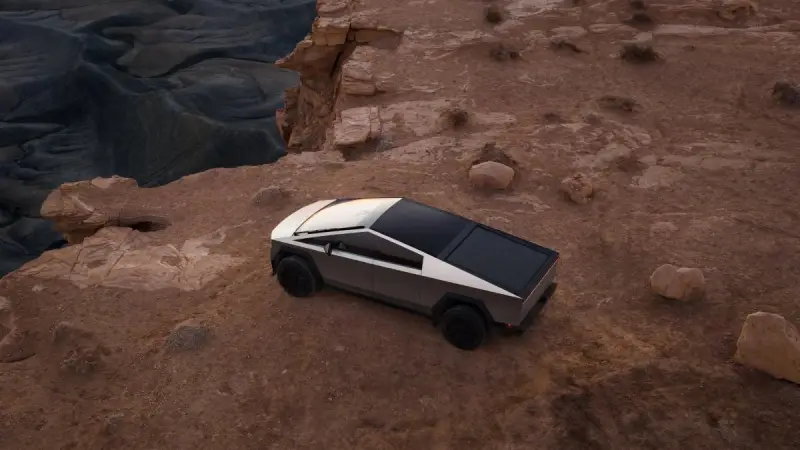
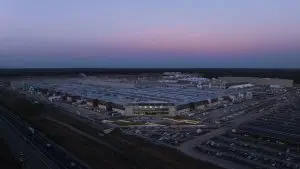
Unplugged Performance, commonly known as UP, has published a more detailed version of its plan, which it calls “Phase 3: Saving the Line.” The proposal follows an earlier offer to take over Cybertruck production. Tesla has said it plans to end truck production to make room for the Cybercab, then extended production through summer 2027. Under UP’s plan, the line would leave Giga Texas on Tesla’s schedule and be rebuilt nearby by a new company instead of being scrapped.
A proposed revenue stream for Tesla
UP’s pitch includes four ways for Tesla to earn from vehicles made by the new company: a license fee, margin on parts Tesla supplies, revenue tied to Full Self-Driving subscriptions and Robotaxi use, and a free ownership stake in the company. Tesla would also retain the intellectual property, help set vehicle specifications, choose the brand, approve the leadership team and keep the option to take the production line back.
The software element would be a notable part of the arrangement. UP says the proposal would make this Tesla’s first Full Self-Driving licensing deal. Tesla has offered licensing since 2021, but the source material identifies no publicly known customers. For Tesla, licensing could add a continuing revenue stream tied to vehicles built outside its own production system. For UP, access to Tesla’s software would form part of a broader package that also depends on Tesla’s technical and commercial involvement.
That structure gives Tesla several potential returns, but the proposal still hinges on execution. A license, parts supply and software revenue can be written into a deal; the new company would still need to operate the line, coordinate suppliers and build vehicles reliably. UP says Tesla would not spend more than dismantling the line would cost, but that describes its proposed cost limit, not evidence that the plan has been accepted or that production has been secured.
The CyberSUV broadens the case
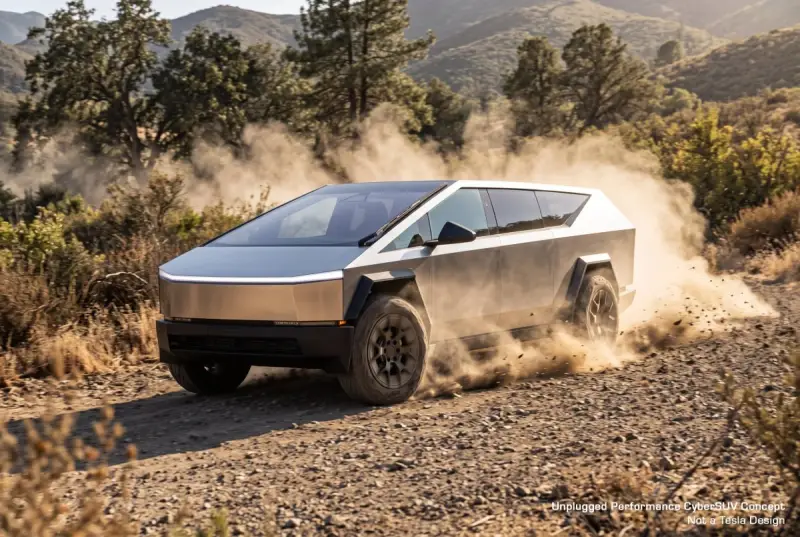
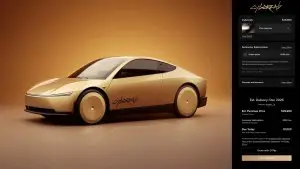
The biggest addition is a three-row CyberSUV, which UP believes could use the same line with new body tooling and relatively few other changes. Its case for demand rests in part on a survey of its followers: 892 people replied, and 82% said they wanted a three-row CyberSUV. Among respondents expressing a preference for just one vehicle, those choosing only the SUV outnumbered those choosing only the Cybertruck 370 to 139.
Those results show interest among the people UP reached, not a measured forecast of buyers across the market. Still, the proposal’s logic is clear: a second body style could give the line a wider role than building the pickup alone. The SUV could appeal to households that need three rows, while the Cybertruck would remain available for buyers drawn to its pickup format. The plan’s production case depends on whether a shared line can support both versions without adding more cost and complexity than UP expects.
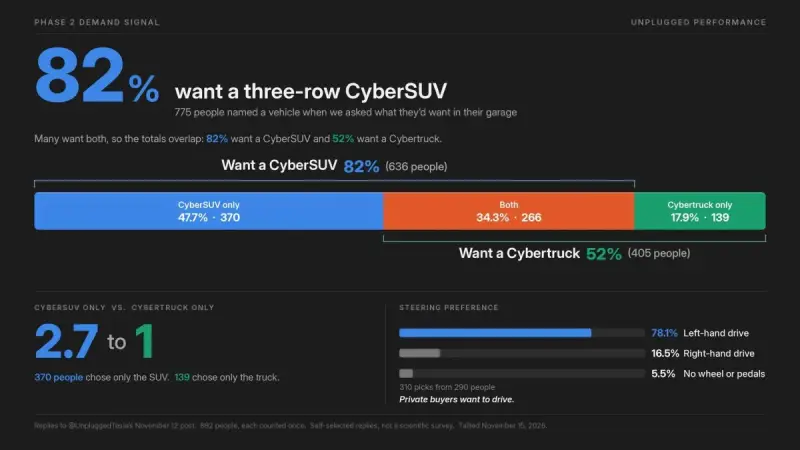
UP also asked 310 respondents about steering and controls. Of that group, 78% chose left-hand drive, 16.5% chose right-hand drive and 5.5% preferred a vehicle with no steering wheel or pedals. From those answers, the company proposes a CyberSUV with either driver controls or autonomous operation, plus a control-free RoboSUV intended for Tesla’s Robotaxi network. An autonomous Cybertruck for cargo is another item on UP’s roadmap.
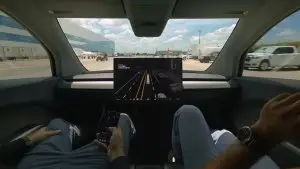
These would be distinct versions with different uses, and the control-free concepts rely on the Robotaxi role described in the proposal. UP hasn’t supplied technical specifications, prices or production timing for them. The survey gives a snapshot of respondent preferences, while the vehicle concepts remain part of a plan awaiting Tesla’s response.
Funding and production remain open questions
UP says it would pay for its own staff and wouldn’t hire current Tesla employees without permission. It proposes transferring supplier contracts to the new company and says it would wait for Cybercab to receive priority for battery cells. The company also claims investors are prepared to fund the project at a nine-figure scale once Tesla indicates interest.
There’s an experience gap to address: UP acknowledges it has never operated a high-volume production line. It compares its role with AMG’s early history as an independent Mercedes tuner, but building and modifying vehicles as a specialist is different from managing sustained output at factory scale. The proposal’s credibility will depend on a clear operating plan, supplier support and a workable path from the existing line to production near Giga Texas.
The market picture in the proposal is mixed. Tesla has added a production shift and is expected to refund many Cybertruck deposits, while it has paused orders for the Dual Motor AWD and Premium AWD trims. Those details suggest a backlog exists alongside efforts to limit new demand, but they don’t establish how much production the proposed venture could support or what mix of vehicles customers would choose.
UP says its proposal is complete and that Tesla should reject it if it doesn’t serve the automaker. Tesla hasn’t responded. The immediate question is whether Tesla sees enough value in the proposed revenue and SUV lineup to keep the production equipment in use; beyond that, UP would need to show how it can turn a specialist’s plan into repeatable factory output.


