Tesla App Code Points to Manual Battery Preconditioning for DC Charging
- David Miller
- 587 views
Tesla app code hints at a manual battery warm-up control, giving drivers more flexibility before DC fast charging, including at some third-party sites.
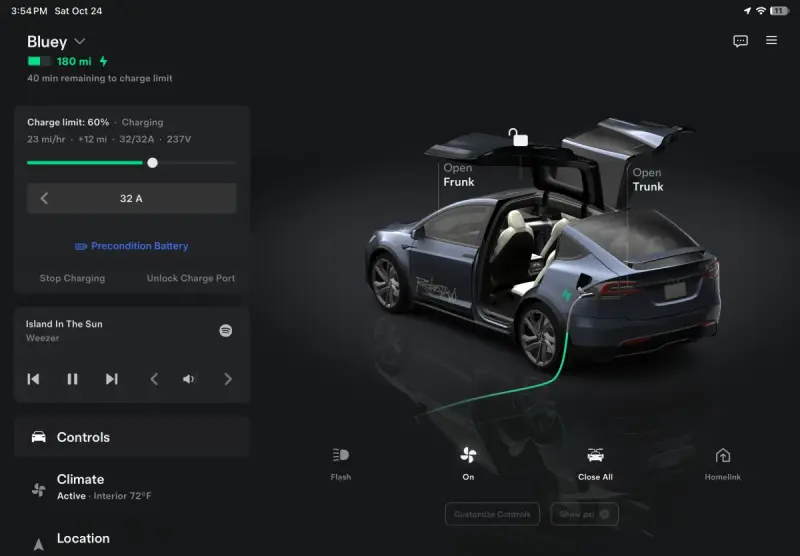
Tesla appears to be preparing a manual battery preconditioning control in its mobile app, a change that could help drivers get more from DC fast charging when the car’s automatic system has little time to warm the pack. References found in app version 4.63.0 include “Precondition Battery” and “Stop Preconditioning” buttons. The feature hasn’t been announced, and Tesla hasn’t identified which vehicles would support it.

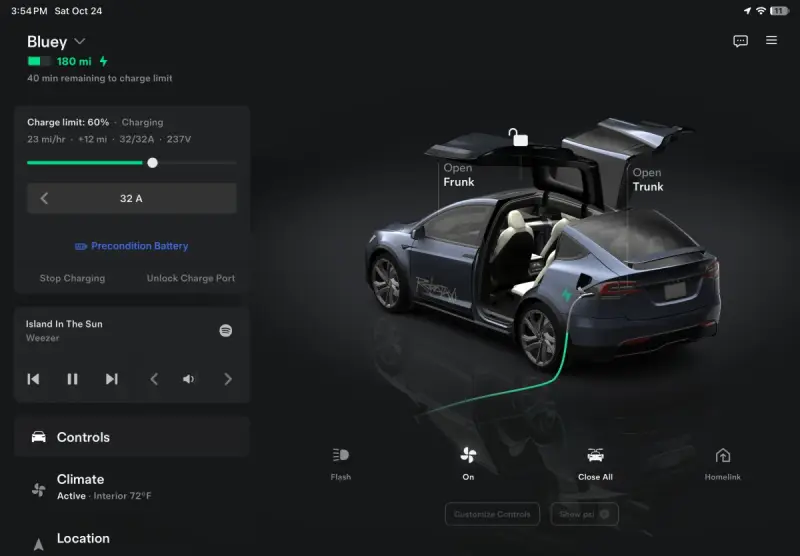
The proposed control would give drivers a way to begin warming the battery without relying on a planned route to a charger. Tesla’s current system starts preconditioning when the driver navigates to a Supercharger or another recognized fast charger. That automation can work well when the car has enough travel time before arrival, but a nearby charger may leave too little time for the pack to reach its preferred temperature.
Why a manual start could help
Lithium based batteries generally accept charging power more readily when warm. In cold conditions, a pack that has not warmed sufficiently may take power more slowly, extending a DC fast charging stop. Preconditioning uses energy to bring the battery toward a suitable temperature before charging begins.
The app’s text advises starting the process one hour before charging. It says the car will maintain the pack temperature for 30 minutes after reaching its target. That gives drivers a clearer way to prepare for a stop when they know where and roughly when they plan to charge, even if the charger isn’t part of the car’s automatic routing logic.
That flexibility could matter as Tesla drivers use more fast charging locations outside the Supercharger network. Automatic preparation depends on the vehicle recognizing the charger and having enough lead time. A driver who intends to stop at a third party site may otherwise arrive with a cold battery, depending on the car’s route and charger data.
Limits described in the app
The feature appears intended for direct current fast charging. The app text says battery preconditioning does not noticeably improve charging rates at alternating current chargers, so drivers shouldn’t expect the control to speed up routine home or destination charging.

Several conditions may prevent a manual start. App error messages cover a car that is already connected to a fast charger, a battery level that is too low, and vehicle models that don’t support the feature. Tesla hasn’t specified the eligible models, nor has it provided timing for a broader rollout. Those details will determine how useful the control is across the current fleet.

Battery preparation also has a practical energy cost: warming the pack requires the car to use energy before it reaches the charger. The app’s guidance suggests planning ahead, but the available information doesn’t quantify how much energy the process uses or how much charging time it might save. Drivers will need to weigh that preparation against their route, the weather and the time they expect to spend plugged in.
Possible changes in the car
There are signs the controls may not be limited to the mobile app. Tesla software watcher @greentheonly reported finding battery preconditioning changes in recent vehicle firmware. The same report mentioned work on smart charging schedules, Supercharger queue functions and a navigation setting to favor major roads. It doesn’t establish which of those changes will reach drivers or when.

Tesla already offers scheduled cabin conditioning and charging at selected locations, functions added to the vehicle and app in 2024. A manual battery control would extend that kind of planning to the pack itself. The key difference is that battery preparation serves charging performance, while cabin conditioning is aimed at the interior and can be scheduled around a departure.
What drivers should watch for
Code references and interface text are evidence that Tesla is developing the feature, but they don’t confirm a launch date or final behavior. The wording gives a useful outline: start as much as an hour ahead, hold the target temperature for 30 minutes, and use the function for DC charging. Model eligibility, energy use and the relationship between manual activation and automatic route based preparation remain open questions.

If Tesla adds the control to the app and vehicle software, its value will depend on how reliably it works with different fast chargers and how clearly the car reports its progress. For drivers who often arrive at a charger after a short trip, a manual start could make preparation easier to manage. The next meaningful sign will be a user facing release that confirms supported models and puts the timing guidance into practice.


