Toyota S-FR May Return as a Daihatsu Copen-Based Sports Car
- [email protected] (Amber DaSilva)
- 680 views
A Japanese report says Toyota is considering an S-FR for 2027, reworked around the smaller Daihatsu Copen platform.
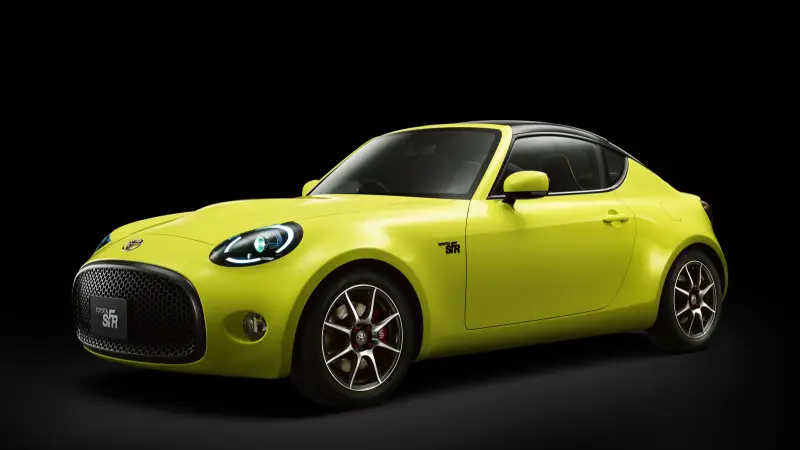
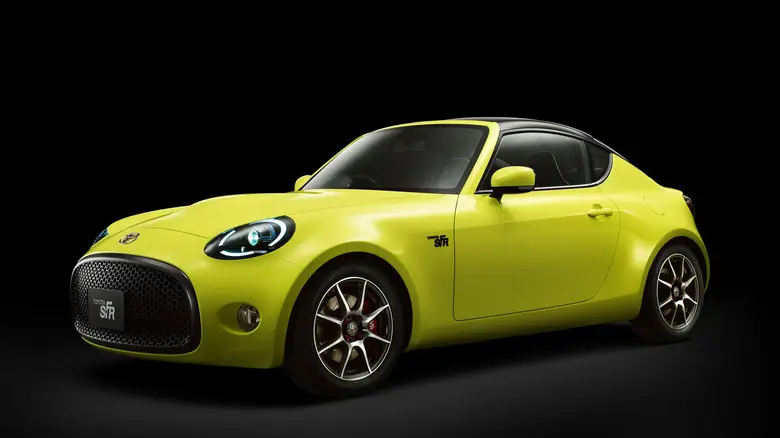
The Toyota S-FR could return as a much smaller car than the 2015 concept, with a Japanese report pointing to a possible Copen-based production model as early as 2027. That would change the idea from a direct Mazda MX-5 rival into a compact sports car shaped by Japan’s kei-car class. The distinction matters: a smaller platform would change the car’s proportions, packaging and likely driving character, not just its exterior styling.
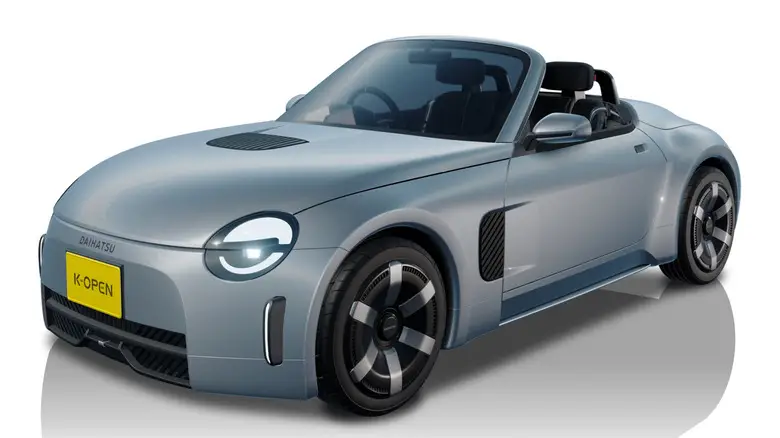
The report, from Japanese outlet Response, describes Toyota weighing a production S-FR using the platform of a third-generation Daihatsu Copen. Daihatsu has previewed a new Copen direction with its K-Open concept. Toyota could apply S-FR styling to that small-car foundation, though the report doesn’t establish that the project is approved or that the 2027 timing is confirmed. For now, the platform link is a reported possibility, not a production specification.
A smaller car with a different brief
The original S-FR concept appeared in 2015 as a two-door roadster positioned below the Scion FR-S, now known as the Toyota 86. It was pitched as a light, relatively affordable sports car with the Mazda MX-5 in its sights. Its proportions and hardware reflected that ambition: the concept had a 1.5-liter naturally aspirated four-cylinder engine and a rear seat. Those details suggested a small sports car with room to serve beyond a strictly two-person weekend role.
A Copen-based version would need to rethink those proportions and priorities. The kei-car class imposes strict size and engine limits, so the original S-FR’s 1.5-liter powertrain and room for rear passengers don’t translate directly. The body would have to shrink, and any production car would be a substantially different vehicle from the concept Toyota showed a decade earlier. The S-FR name might carry over, but the underlying brief would be closer to a compact Japanese roadster than a scaled-down version of the earlier show car.
That shift could also affect the car’s character. Previous Copen models have used front-wheel drive; a rear-wheel-drive layout would be a notable departure and could give an S-FR derivative a more traditional sports-car feel. The report doesn’t say whether Toyota is considering that change, or provide details on an engine, transmission, weight, price or performance. Those are the questions that would determine how the car compares with other small roadsters. A familiar badge and sharper bodywork can create expectations, but the layout and controls would do more to establish whether this is a driver’s car in the same sense as the original concept.
This is more significant than it looks: Toyota may be exploring a way to keep a small sports-car idea alive by building around an existing compact-car direction. But the trade is clear. A smaller foundation could make the project more feasible within its intended class, while leaving less room to preserve the original concept’s scale and mechanical ambition.
Availability remains the big question
If the project reaches production, Japan looks like the natural home market. Kei cars are designed around local size and power rules, and the smaller S-FR interpretation would be less suited to Toyota’s earlier concept for a broader export audience. There’s no confirmed sales plan for the United States, and a Japanese-market Copen variant wouldn’t automatically mean a US version. A model developed around one market’s compact-car conventions would need a separate case for customers elsewhere.
Toyota’s existing plans to bring a kei vehicle to the United States offer a small reason to keep the possibility in view, but they don’t establish that the S-FR will follow. Any imported version would need its own decision on specification and availability. The source report gives no details on price, production volume, or which markets might receive the car. If you’re working in this space, the distinction between a company’s broader interest in kei vehicles and a specific export plan is worth keeping sharp; one doesn’t confirm the other.
What would make the S-FR matter
For buyers, the appeal would hinge on whether Toyota preserves the S-FR’s simple, driver-focused spirit while adapting it to a smaller platform. A rear-drive layout could distinguish it from earlier Copens, while a front-drive setup would keep it closer to the existing model’s architecture. Either choice would shape the car’s character, but the report doesn’t provide enough information to say which direction Toyota might take. The numbers that usually define a sports car’s practical appeal—weight, power, price and availability—are still missing.
(And this is the part most people overlook.) Reusing a platform can help anchor a new model’s development, but it doesn’t answer what the finished car will feel like from behind the wheel. The chassis layout, steering response and power delivery would matter more to the S-FR’s identity than the styling connection alone. For now, the Copen link offers a clue to the car’s likely scale. A very different machine.
The next meaningful signs would be a production-focused concept, confirmed platform details and a firm launch plan. Until then, the S-FR’s return remains a possibility reported in Japan, with a potential 2027 arrival still unconfirmed. That leaves the central question open: can Toyota turn the name into a genuinely engaging small sports car while accepting how much the original concept’s brief would have to change?


