Five Four-Cylinder Engines Known for Costly Reliability Problems
- [email protected] (Marko Mikulic)
- 776 views
From bearing failures and overheating to casting debris, these five four-cylinders have drawn lasting complaints and expensive repairs.
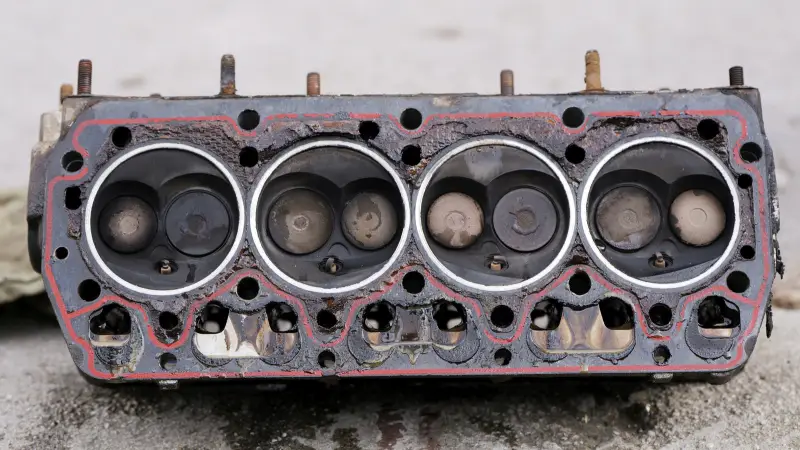
Four-cylinder engines power everything from budget commuters to plug-in hybrids, and their compact size and fuel economy make them a staple across the car industry. But high production volumes don’t guarantee durability. These five engines have become associated with recurring failures that can leave owners facing major repairs, even when the underlying causes range from machining debris to cooling problems and faulty electronics.
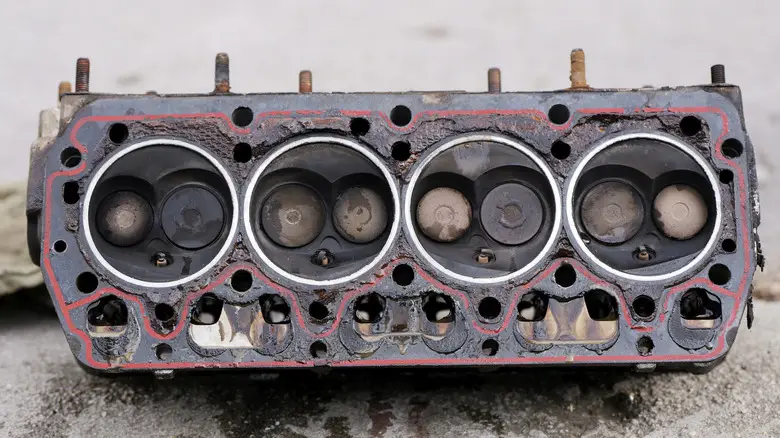
The problems also show why reliability reputations can outlast a single model year. Repeated repairs, expanding recalls and expensive engine replacements shape how buyers view a powertrain long after its introduction. Here are five four-cylinder families whose reported histories make used-vehicle research especially relevant.
Hyundai and Kia Theta II 2.0L and 2.4L GDI
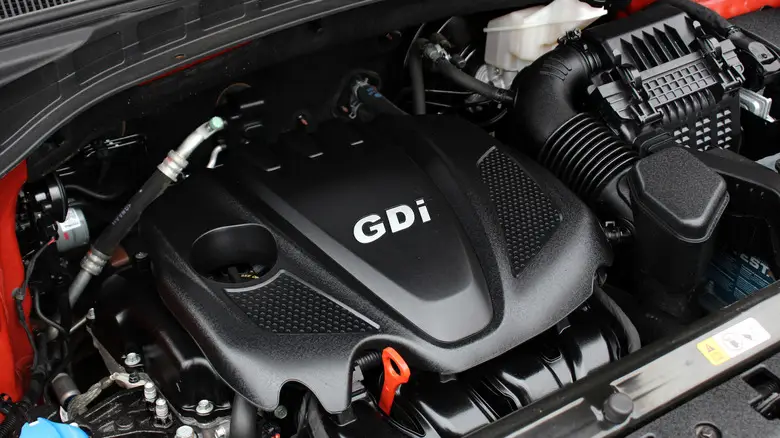
The Theta II’s central failure involved metal debris left behind during crankshaft machining at Hyundai’s Alabama plant. That contamination could contribute to connecting-rod bearing failure, with knocking or an illuminated check-engine light among the reported warning signs before an engine stopped running.
In 2015, Hyundai recalled about 470,000 2011 and 2012 Sonatas with 2.0-liter or 2.4-liter Theta II engines. The issue became part of a broader dispute over how the engine problems had been handled. A $1.3 billion settlement followed, and in 2020 the National Highway Traffic Safety Administration announced consent orders against Hyundai and Kia, with combined penalties of $210 million. The agency’s review concerned a recall covering more than 1.6 million Theta II vehicles, which it concluded had come too late.
Owner complaint data adds a picture of the repair burden. CarComplaints rates 2016 Sonata engine complaints “Really Awful,” reporting an average failure mileage of 24,456 miles and more than 1,000 engine complaints. For the 2011 Sonata, seized engines rank as the leading engine problem on the site, with an average repair cost of $5,100 at roughly 96,000 miles. Hyundai also placed among the five lowest brands in J.D. Power’s 2014 Vehicle Dependability Study, averaging 169 problems per 100 vehicles among owners of three-year-old 2011 models.
The numbers describe different samples and shouldn’t be treated as a single failure rate. Still, bearing damage and the scale of the complaints have made the Theta II a reference point in discussions of unreliable modern engines.
Ford 1.6L EcoBoost
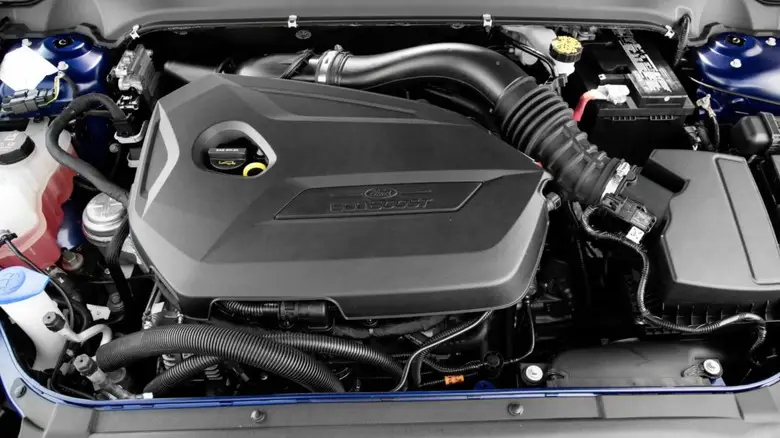
Several distinct fire risks marked the 1.6-liter EcoBoost’s record in the Ford Escape and Fusion. A 2012 recall covered about 9,320 Escapes whose engine-compartment fuel line could have been damaged during assembly. Two months later, another action addressed antifreeze leaks that could ignite. A subsequent expansion covered more than 80,000 Escapes and Fusions, after coolant leaks could reach hot exhaust components.
In 2013, Ford issued two more recalls affecting Escapes. One covered 139,917 vehicles after overheating could crack the cylinder head and allow oil to reach hot surfaces. The other addressed replacement fuel lines that had been installed incorrectly in some vehicles covered by the original fuel-line action. In 2017, a further recall for fire problems included 208,584 vehicles with the 1.6-liter engine.
Coolant intrusion has also drawn attention beyond those fire-related defects. Ford Authority described it as common in EcoBoost four-cylinder engines after a technician found the problem in a 2014 Escape. Forum reports include owners concerned about major engine work, but individual posts can’t establish how often a failure occurs. The practical point for buyers is that a history of coolant loss, overheating or engine repairs deserves close attention in a used 1.6-liter EcoBoost vehicle.
Nissan and Infiniti VC-Turbo
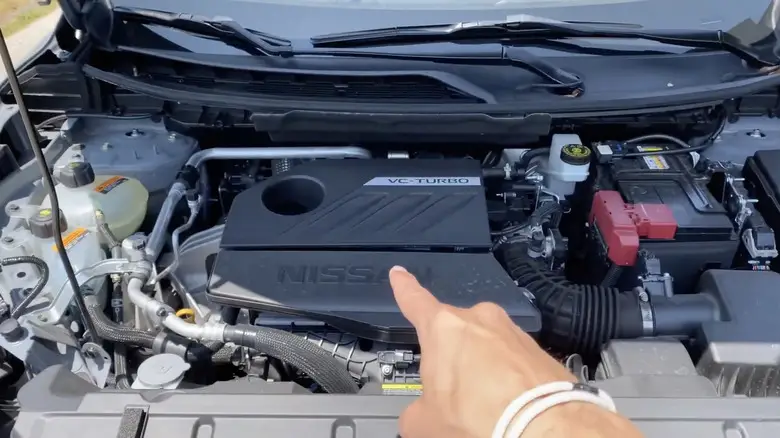
Nissan introduced its variable-compression engine in 2017, with the design able to change compression ratio while running. The technology drew attention, but bearing failures have since become a central concern across the 1.5-liter three-cylinder and 2.0-liter four-cylinder versions.
In June 2025, Nissan recalled 443,899 Rogues, Altimas and Infiniti vehicles over bearings that could fail. Two more actions followed in February 2026. One covered 323,917 Rogues, linking high operating temperatures and oil degradation to engine damage. The filing warned that a bearing failure could breach the engine block and release hot oil, raising the risk of fire. Another action covered 318,781 Rogues over a gear in the electronic throttle body that could fracture during startup. The affected groups overlap, so the totals shouldn’t simply be added together; across the three actions, more than a million VC-Turbo vehicles were covered.
Owners have reported costly outcomes. One 2022 Rogue owner quoted on CarComplaints said a dealer diagnosed a ruined engine and estimated replacement at $14,000. Endurance Warranty reports that mechanics watch for ticking or knocking that may indicate bearing wear, with out-of-warranty repairs on Rogues and Altimas potentially costing more than $5,000. The design’s complexity makes warning noises and maintenance history particularly relevant when assessing a used vehicle.
Jeep 2.0L 4xe plug-in hybrid
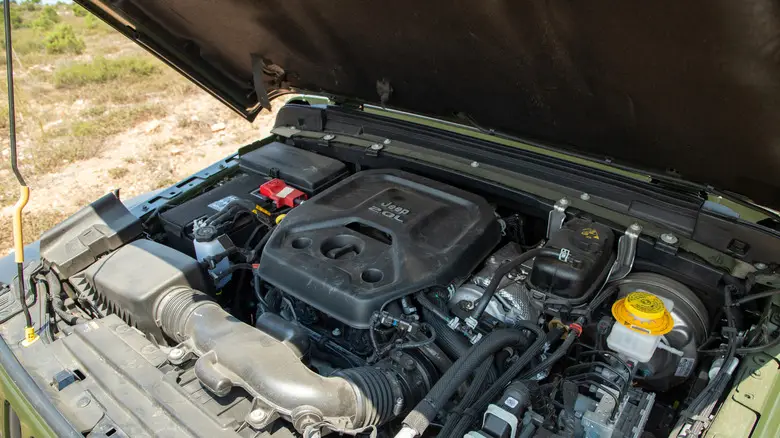
In the Wrangler and Grand Cherokee 4xe, the 2.0-liter turbo-four’s reported problems span manufacturing debris and hybrid-system faults. A November 2025 recall covered 112,859 plug-in hybrid SUVs after Chrysler found that sand from engine-block casting might not have been fully removed before production. Debris inside the engine can cause damage severe enough to lead to engine failure or fire. A repair wasn’t available when the recall began; software updates and engine-block replacements, where needed, began in May 2026. The same hybrids had also been included in an earlier action involving battery fire risk.
Engine shutdowns are another part of the record. A 2022 recall covered 62,909 Wrangler 4xe models after vehicle diagnostics could misread a communication fault and shut the vehicle off while driving. The problem was linked to two crashes and one injury. A similar issue surfaced in the Grand Cherokee 4xe in September 2025, when 91,787 vehicles were covered over a defect traced to the hybrid control processor.
RepairPal ranks the Wrangler 25th of 26 compact SUVs for reliability, though that score applies to the wider model lineup, not just the 4xe. Owner posts also describe oil dilution and costly engine replacement estimates, including one $7,500 dealer quote. For buyers, the mix of engine and hybrid-system issues makes checking the vehicle’s repair and recall history particularly important.
Chevrolet Vega 2300 2.3L
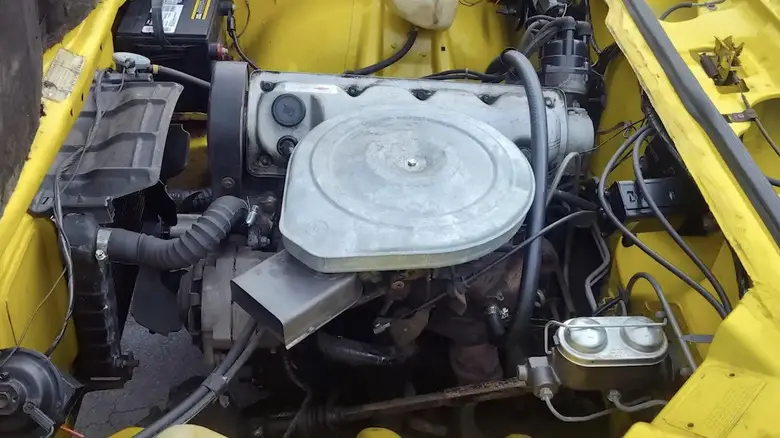
The Vega’s 2.3-liter engine shows how weight-saving choices and inadequate cooling can combine to undermine an otherwise distinctive design. Chevrolet developed the car quickly to meet a deadline set by GM president Ed Cole. To reduce weight, engineers used an aluminum block without conventional cylinder sleeves, relying on a silicon-rich alloy surface for the cylinder bores.
Under severe heat, the bore surface could deteriorate, allowing pistons to scuff the cylinder walls. The aluminum block and cast-iron head also responded differently to heat, contributing to head-gasket failures. Early cars had a radiator that could be too small for the engine’s needs, and lost coolant wasn’t recovered. Valve-stem seals could crack, letting oil into the cylinders and adding to the overheating problem.
Other Vega defects added to the car’s reputation. In 1972, Chevrolet recalled about 129,000 cars after backfires could rupture the muffler and ignite leaking gasoline. A separate action covered 350,000 vehicles whose idle-stop solenoid bracket could jam the throttle open. By 1974, overheating concerns had led Chevrolet to tell 1.3 million owners it would cover damage under warranty.
A substantial redesign arrived in 1976 with the Dura-Built 140 engine, which received longer-lasting valve-stem seals, hydraulic valve lifters, a stronger head gasket and revised cooling passages. Chevrolet backed it with a five-year, 60,000-mile warranty. The Vega’s history remains a reminder that engine reputation depends on the whole system: materials, machining, cooling and the response when a weakness appears.
Across these five engines, the warning signs differ, but the ownership lesson is consistent: model year, service records and completed repair work matter. A well-documented vehicle may tell a very different story from one with unexplained coolant loss, knocking, overheating or recurring warning lights.


