Waymo’s US Freeway Pause Adds Uncertainty to Its Planned UK Robotaxi Launch
- Matt Robinson
- 390 views
Waymo has paused freeway trips across its US markets after California restrictions, while its London service is now expected in 2027.
A freeway pause with consequences beyond California
Waymo’s temporary halt to freeway trips across its US operating markets puts a fresh question over how the robotaxi service will handle complex, higher-speed roads. The move followed California restrictions on the company’s driverless vehicles, but Waymo extended the pause nationwide while it reviews performance. For a service built around autonomous operation, that review matters: it may shape where the cars can run and what needs to change before freeway travel resumes.
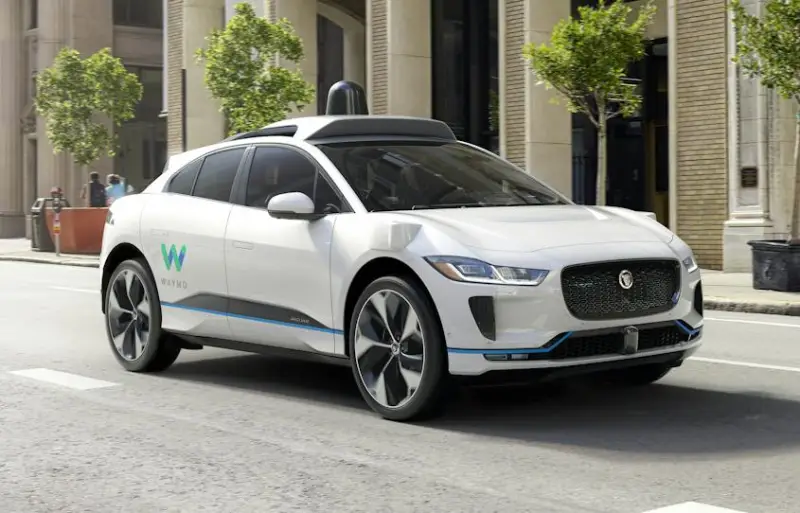
California’s Department of Motor Vehicles imposed restrictions after incidents that included three Waymo vehicles entering a construction zone on Route 101. In a separate case, a Waymo Jaguar I-Pace was seen trying to get past a California Highway Patrol rolling blockade. The state described the vehicles as an “imminent hazard to public safety” and said the restrictions would stay in place until Waymo demonstrated that it had addressed the deficiencies behind them.
Those examples point to two different demands on an automated driving system. A construction zone can alter lane markings and traffic patterns, forcing a vehicle to interpret a temporary layout. A rolling blockade presents a moving, unusual arrangement of vehicles that may not resemble ordinary traffic. The reported incidents do not establish how frequently such situations occur, but they show why a robotaxi’s performance in routine conditions is only part of the picture.
Waymo said it voluntarily restricted freeway operations in its other US markets after the California action, citing its “safety-first principles” and a need to evaluate performance. That wider pause gives the company room to review its systems across markets, though the available information does not say how long the assessment will take or when freeway service might return.
Safety data and difficult edge cases
The pause sits alongside Waymo’s claim that its vehicles have a lower rate of injury-causing crashes than human drivers. The company says an analysis covering 220 million miles of autonomous driving through March 2026 found 82 per cent fewer injury-causing crashes compared with “an average human driver”. That is a company-reported comparison; the figure does not, by itself, explain the types of roads included, how the comparison was constructed, or how performance changes in unusual situations such as construction zones.
A separate CNN investigation earlier this year identified hundreds of reported incidents in which robotaxis allegedly made dangerous manoeuvres or struggled with obstacles that people commonly handle without conscious effort. These reports and Waymo’s mileage analysis address different parts of the safety question. Aggregate crash comparisons can describe broad performance across a large distance, while individual incidents can expose specific situations that systems need to manage better.
For drivers and prospective riders, the practical question is how quickly Waymo can turn the review into changes that work in real traffic. The company has not provided a timetable for restoring freeway operations in the information available here. Until it does, the extent of the pause remains a direct limit on where its US robotaxis can travel.
What the delay means for London
The US developments arrive as Waymo’s UK plans are already running behind schedule. The company had been mapping London streets with adapted Jaguar I-Pace electric vehicles, each carrying a safety driver. It had hoped to begin a full service by September 2026, but that launch did not happen. A UK debut is now expected in 2027.
London’s timing depends on local requirements as well as the vehicle technology. The planned driverless operation did not have permit approval from the Driver and Vehicle Standards Agency or operational guidelines from Transport for London. Street mapping with a safety driver is a preparatory stage; it does not mean the cars are ready to carry passengers without one.
The US freeway pause does not establish what will happen to Waymo’s London timetable. It does, however, underline that a service has to demonstrate how its vehicles respond to more than familiar streets and predictable traffic. London’s operating conditions and approval process are distinct from California’s, but the company’s ability to resolve reported driving problems will be relevant to its wider plans.
Waymo, owned by Alphabet, is pursuing a service that depends on trust in the car’s decisions as much as on the convenience of a driverless ride. Its next milestones are concrete: show that the problems behind California’s restrictions have been addressed, explain when freeway operations can resume, and meet the requirements for a London launch. Until those steps are clear, 2027 is the expected UK debut date, while the scale and timing of the US freeway return remain unsettled.


