BMW iX3 Leads 2026 ADAS Test as Jaecoo 7 and Leapmotor B10 Struggle
- Phil McNamara
- 598 views
The BMW iX3 sets the benchmark for driver assistance, while test results expose weaknesses in speed recognition, lane support and driver monitoring.
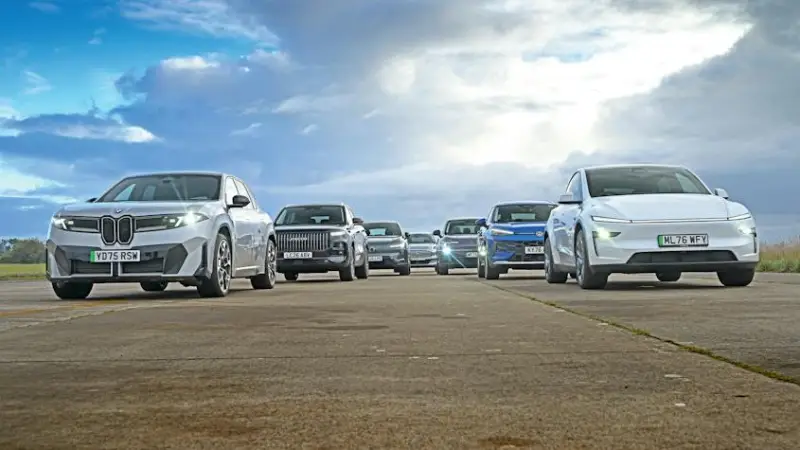
Driver assistance works only when drivers trust it enough to leave it switched on. In a comparison of systems from seven brands, the BMW iX3 made the strongest case for that trust: it combined accurate speed sign recognition with measured lane support and assisted driving that communicated clearly. Jaecoo 7 and Leapmotor B10, by contrast, generated enough errors and distractions to undermine the point of having assistance enabled.
The assessment covered two areas: driver safety aids such as warnings and interventions, and Level 2 assisted driving that can steer and manage speed in certain conditions. Since 2024, new cars sold in Europe have needed standard equipment including driver monitoring, lane keeping assistance, intelligent speed limit warnings and automated emergency braking. The test highlights a practical question for buyers: how well do those features fit into everyday driving?
BMW sets the benchmark
The iX3 topped both parts of the assessment. It identified every speed limit on test and adjusted speed to match, while its driver monitoring allowed intended, safe lane changes without unnecessary intervention. Level 2 assistance blended in and out clearly, with the car making it easy to understand whether the driver or system was in control. The testers also reported no unwarranted alerts.
That mix matters. Accurate speed assistance has little value if it reacts unpredictably, and lane support can quickly become irritating when it fights routine manoeuvres. The iX3’s calibration made its technology feel cooperative, giving it the clearest lead in the comparison.
Volvo and Volkswagen show different strengths
Volvo finished second, with the EX60 delivering unobtrusive driver monitoring and well judged lane assistance. One speed limit error kept it from matching BMW in that category. Its weaker area was Level 2 driving: complicated controls and unsuccessful automated lane changes made the system less convincing.
Volvo’s approach keeps the driver involved in decisions, which can help preserve a clear sense of responsibility. But the test suggests that intention needs to be matched by controls drivers can operate easily and lane changes the system can carry out reliably.
The Volkswagen T-Roc also placed joint second as a co-pilot. It handled curves impressively and had an operating logic that was mostly clear, though it wouldn’t attempt automated lane changes. Speed limit recognition was inconsistent, while lane control felt too binary. A driver monitoring deduction followed after the system was fooled by a pair of spectacles, exposing a weakness in how it assessed the driver’s state.
Ford and Tesla lose ground on consistency
The Ford Puma Gen-E’s headline feature is Level 2+ motorway assistance, but its broader performance shaped its overall ranking. Driver monitoring responded to erratic driving, and lane keeping was well calibrated. It missed several speed signs and did not attempt to steer itself around rural bends. Ford clearly told the driver to take over in those situations, so the limitation was apparent rather than hidden.
Tesla’s Model Y was hampered by a less collaborative relationship between driver and system. It disengaged 11 times following driver inputs, which held back its assisted driving performance. It also misread road markings once and missed speed limits multiple times. Its driver monitoring was subtle, but that strength couldn’t offset the weaknesses in lane and speed assistance.
Frequent alerts undermine the lower-ranked systems
The Jaecoo 7 produced repeated warnings for lane departures that hadn’t happened and for supposed driver distraction. Its two digital displays also showed conflicting speed limits. During a 37-mile assisted driving run, it reacted clumsily to signs and road layout; the test concluded that its assistance was better suited to simpler motorway use. Repeated beeps and chimes made it the most distracting system in the group.
Jaecoo said it continues to refine its ADAS through software updates, supported by Chery’s UK research and development centre. It said a newer version first appears on the Jaecoo 7 Luxury+ and is expected to roll out free across the range from early 2027. The company also said the model received a five-star overall Euro NCAP rating, with strong results in occupant status monitoring, lane support and automated emergency braking. It described Intelligent Cruise Assist as intended for suitable motorway and dual carriageway conditions, with the driver remaining responsible for control.
The Leapmotor B10 ranked last. Testers found its driver monitoring confusing, its lane support poor at reading the road and its speed limit guidance unreliable. It performed somewhat better in Level 2 driving, largely because it made little attempt to assist away from motorways. That restraint did not solve the wider problem: testers switched the system off, removing the assistance’s potential safety benefit.
Leapmotor said it had recently issued an over-the-air update for the B10 with more than 10 new or revised technologies, and that another update was in development. For buyers comparing these systems, software updates may change the experience, but the test points to the features that matter most in daily use: accurate signs, calm interventions and controls that make it clear when the driver needs to act. The iX3 delivered that balance best; the Jaecoo and Leapmotor results show how quickly persistent errors can erode confidence.


