Tesla Plans to Rent Optimus Robots as Production Builds Toward 1 Million a Year
- Joseph Rodriguez
- 927 views
Tesla expects to rent Optimus to outside companies from around the end of 2027, with build costs initially near $30,000 per robot.
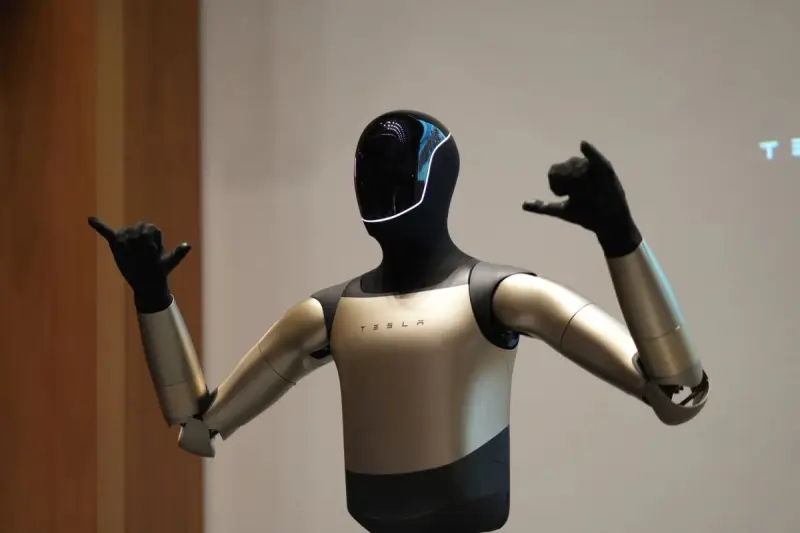
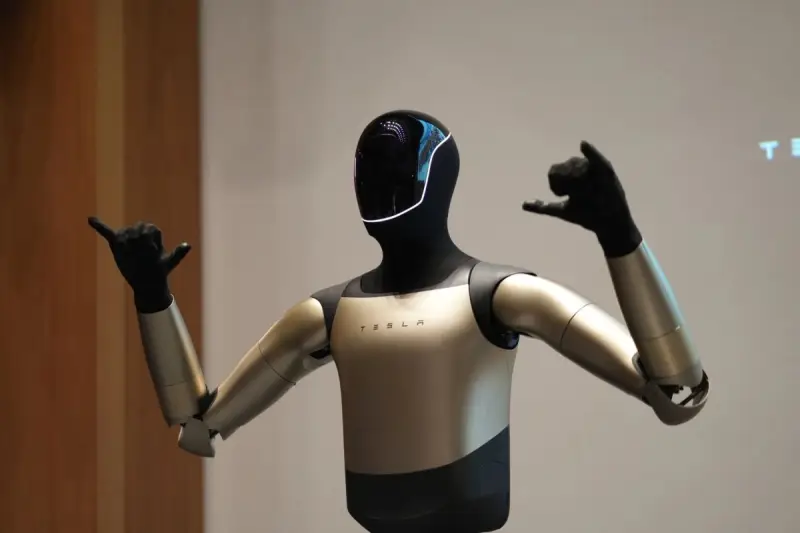
Tesla’s Optimus plan is taking shape around recurring rentals, with the company expected to retain ownership of its humanoid robots instead of selling them to customers. Elon Musk said Tesla would “probably rent them” during an interview at the 33rd Annual Baron Investment Conference. The approach could make access easier for businesses that want to trial robots without buying a machine outright, while leaving Tesla responsible for setting the rental terms and maintaining the fleet.

Those terms remain unknown. Musk gave no rental price, contract length or details about service and repairs, so the commercial proposition is still difficult to assess. The manufacturing cost gives one point of reference: he said an early Optimus would cost Tesla about as much to build as a car, then become “much less” expensive over time. In response to a cost estimate, Musk agreed that initial production costs would be around $30,000 per robot, falling toward $20,000.
Rental economics depend on utilization
A build cost is not the same as a customer price. If Tesla rents Optimus, the company will need to recover manufacturing costs over time while covering the expense of keeping each unit working. For business customers, the key question will be whether a robot can perform enough useful work to justify its rental charge. That depends on its capabilities, uptime, the tasks it can handle and how much supervision it needs—details Tesla has not supplied here.
Renting could also lower the initial commitment for a company assessing whether humanoid robots fit its operations. That may matter while the technology is new and production is ramping up. But a lower upfront cost alone would not settle the buying decision: businesses would still need to weigh the ongoing rental expense against the work completed and the costs of integrating a robot into their facilities. Without pricing or operating data, it’s too early to compare Optimus with other ways of automating those tasks.

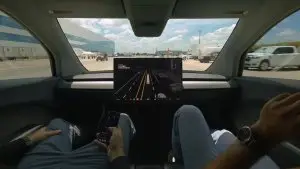
Tesla already has a subscription business in vehicle software. FSD (Supervised) reached a record number of subscribers in the third quarter and was purchased with 75% of new orders in North America. On the third-quarter earnings call, Tesla also confirmed an analyst’s estimate that FSD’s annual recurring revenue was approaching $1 billion. Optimus rentals would extend that recurring-revenue model into physical machines, though the economics and customer needs will be different.
Factory production comes before outside customers
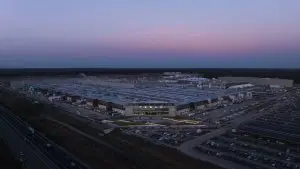
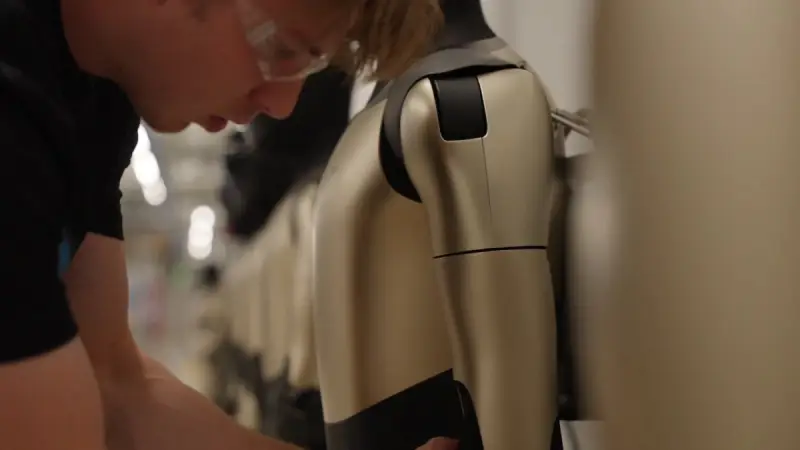
Tesla began early Optimus production on a Fremont line last month, with the facility planned for capacity of 1 million units a year. The space became available after the Model S and Model X production lines were removed. That planned capacity is a long-term manufacturing target; it doesn’t mean the line is already producing at that rate. Musk expects it to take at least a year to reach full speed.

The first robots are intended for Tesla’s own factories, giving the company an opportunity to use Optimus internally before deliveries to outside businesses begin. Tesla plans to start those external deliveries around the end of 2027. A version powered by AI5 is expected around April 2027, according to the details given. The sequence makes internal factory use an important proving ground: Tesla can learn how the robots perform in its own operations before expanding the customer base.
Musk claimed Optimus would be five times more productive than the average human. That is a projection, not a reported result from deployed customer robots. Productivity will need to be judged against specific tasks and working conditions, and no supporting measurement or timeline for reaching that level was provided. For prospective customers, demonstrated performance and reliability will matter more than a headline target, particularly if rental charges continue while a unit is being serviced or cannot complete its assigned work.
Demonstration and pricing are the next markers
Tesla delayed the Optimus Gen 3 unveiling earlier this year. Musk said during last month’s third-quarter earnings call that a demonstration video could arrive soon, possibly this month. A video could offer a closer look at the production robot, but it would not answer every practical question: buyers will still need evidence of what it can do repeatedly in a working environment.

The timing leaves several details to watch as Tesla approaches its planned outside deliveries: when the production design is shown, how the Fremont line progresses toward its intended capacity, what work Optimus performs inside Tesla factories, and how rental pricing is structured. The $30,000 initial build-cost estimate and move toward $20,000 describe Tesla’s manufacturing costs, not the monthly charge customers should expect. Until Tesla publishes rental terms and operating results, the case for Optimus rests on a production plan and a proposed business model that still need to be demonstrated.