Tesla Shanghai Reaches 98% Local Parts Sourcing as Production Climbs
- Robert Jones
- 762 views
Giga Shanghai says 98% of its parts are sourced locally, with more than 400 Chinese tier-one suppliers supporting its high-volume Model 3 and Model Y output.
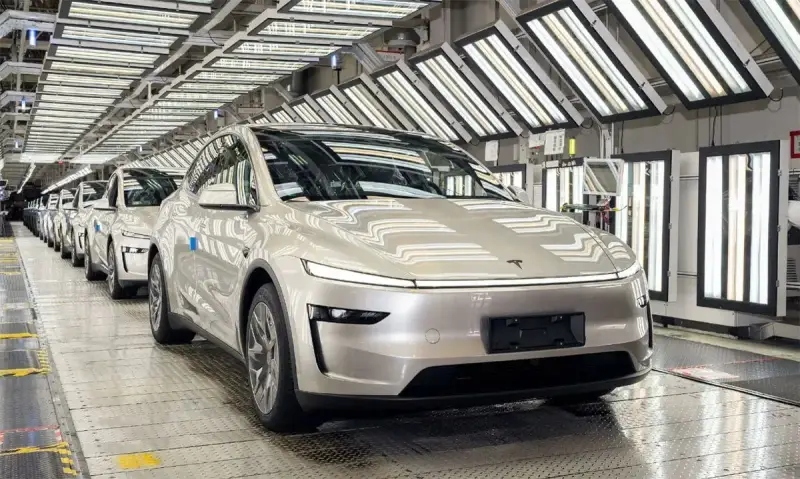
Giga Shanghai’s 98% parts localization rate puts the factory’s supplier network at the center of Tesla’s manufacturing strategy. The figure, shared during the ninth China International Import Expo in Shanghai, is up from the “over 95%” rate Tesla had cited for several years. More than 400 tier-one suppliers in China now work with the plant, and over 60 also supply Tesla’s wider global production network.
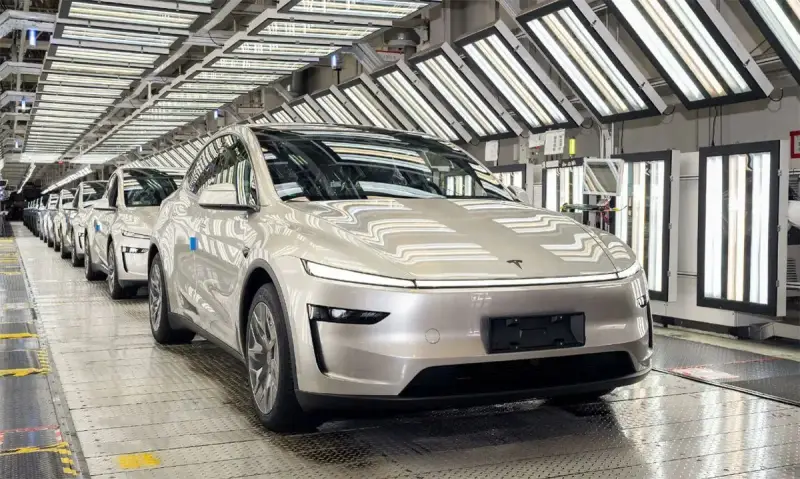
A supplier base with reach beyond Shanghai
The local sourcing figure describes the share of parts used by Shanghai-built Teslas that comes from China. It signals how deeply the factory’s supply chain has developed around local businesses, while the group of suppliers serving other Tesla plants shows that some of this capability travels beyond the market where it was built.

That distinction matters for manufacturers running large, high-volume plants. A broad local supplier base can support production at scale, while suppliers whose parts are used across multiple factories can contribute to products built in different regions. The reported 98% figure, however, doesn’t identify which components are included or explain how Tesla calculates localization, so it shouldn’t be read as a breakdown of individual systems or materials.
Tesla also described supplier work that reaches into vehicle design. Chinese suppliers co-developed the Model Y L’s seat armrests and leg supports to suit local customers. The six-seat model launched first in China and later expanded to Japan, South Korea, Australia and the United States, where it launched in July. That gives the Shanghai supplier network a role in shaping features that can accompany a model into several other markets.

The Model Y L example points to a more involved relationship than simply sourcing a finished component to an existing specification. Co-development can bring suppliers into decisions about how a part fits a vehicle and serves its intended customers. The reported details are limited to the armrests and leg supports, but they illustrate how local input can shape parts with potential relevance beyond one country.

Scale and throughput at Giga Shanghai
Tesla broke ground on the Shanghai factory in January 2019 and began production before the end of that year. It is the company’s largest plant, with annual capacity of about 1 million vehicles, primarily Model 3 and Model Y production. Tesla says roughly 93.3% of its approximately 730,000 square meters of floor area is used for production, and a vehicle comes off the line about every 30-plus seconds.

Those figures describe a factory built around volume. A short interval between vehicles only matters when parts arrive and production steps stay coordinated; the reported supplier count and localization rate provide context for the industrial network behind that pace. Tesla also says the plant reuses more than 94% of its industrial waste, another measure of how it describes factory operations.

Sales figures point to a busy year for the site. In the first 10 months of the year, Giga Shanghai recorded wholesale sales, including exports, of 810,889 vehicles, 21.42% higher than in the same period a year earlier. Tesla China sold 67,829 vehicles in October, up about 10% year over year. Wholesale sales include vehicles shipped abroad, so the factory total and the China sales figure cover different activity.

Shanghai in Tesla’s wider production plans
Other Tesla factories are also described as preparing for greater output. Giga Texas is reportedly adding a night shift with the aim of doubling production. At Giga Berlin, Tesla is planning a second production hall that would eventually bring annual output to 1 million vehicles, matching Shanghai’s stated capacity. These plans place Shanghai’s current scale within a company seeking more production from multiple major sites.

At the Shanghai expo, Tesla is displaying the new Model Y Performance, an exploded-parts display of the Model Y, Optimus and the Cybercab. The company has also delivered more than 10 million vehicles worldwide. Those exhibits put vehicle production alongside the broader set of products and technology Tesla is presenting, while Shanghai’s supplier reach remains closely tied to its two main volume models.

For buyers, the 98% localization figure doesn’t by itself establish a change in vehicle specifications, prices, reliability or ownership costs. Its clearest relevance is industrial: Shanghai has a large supplier base, and parts developed with some of those suppliers are used beyond the factory. The next useful indicators will be whether the plant sustains its reported production pace and whether more locally developed components enter Tesla’s global supply chain.