Tesla’s Autopilot Removal Pushes New Buyers Toward Monthly FSD Plans
- Christopher Davis
- 891 views
Tesla dropped lane centering from new North American vehicles as it pursues FSD subscriptions, which reached 1.74 million in Q3 2026.
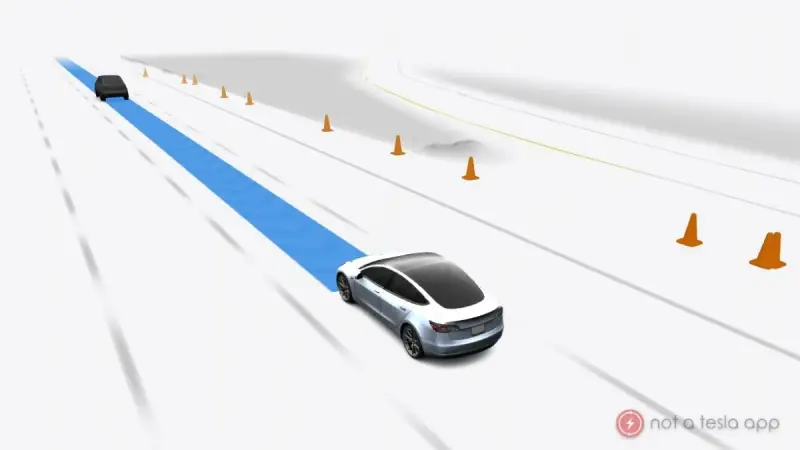
Tesla’s removal of Autosteer from new vehicles in North America changed the entry point for buyers who want lane centering: they now need to pay for Full Self-Driving (FSD). A source familiar with the decision says Elon Musk chose the change to increase FSD subscriptions. The move has helped reshape how Tesla sells driver assistance, while making a feature that was once included with every new car part of a paid package.

What changed for new Tesla buyers
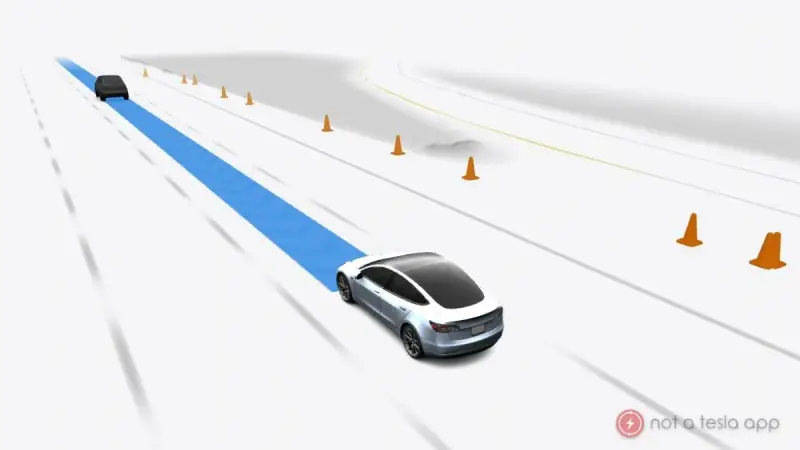
Tesla made the change in the United States and Canada in January 2026. New vehicles continued to include Traffic-Aware Cruise Control (TACC), which adjusts speed to traffic ahead, but no longer came with Autosteer, the function that helps keep the car centered in its lane. Buyers wanting that capability had to purchase or subscribe to FSD.
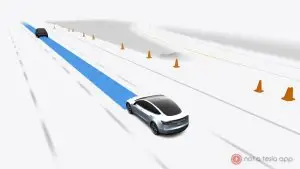
The timing and effect are straightforward: a driver who previously got basic highway assistance as standard now faces a recurring cost to access lane centering. That makes the package choice more consequential at purchase, particularly for people who spend time on highways and had relied on Autosteer without needing the wider FSD feature set.
At first, customers could still buy FSD outright. Tesla removed that option the following month, leaving a monthly subscription as the only way to obtain FSD in North America. The combination of removing included Autosteer and ending the one-time purchase gives Tesla a stronger path to recurring revenue, but it also changes the ownership calculation for drivers who only want the basic feature.
From standard equipment to a paid package
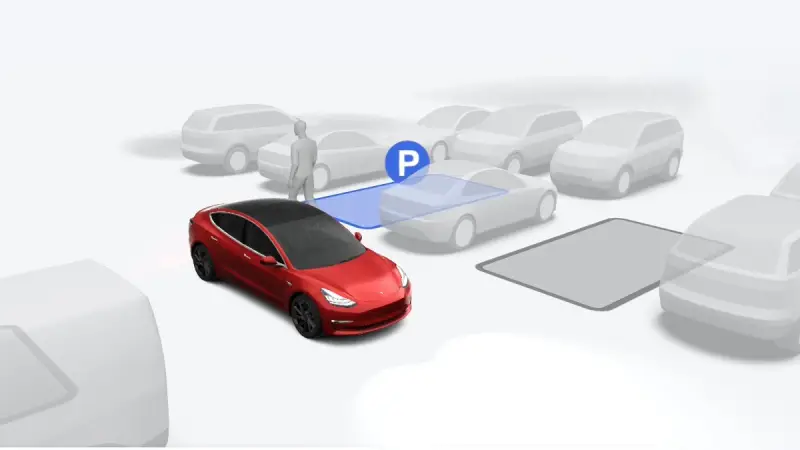
Autosteer has moved between product tiers before. In Tesla’s earlier setup, drivers had to buy Enhanced Autopilot to get it. That package combined TACC and Autosteer with functions including Auto Lane Change, Navigate on Autopilot, Autopark and Summon. Its last listed price was $6,000.
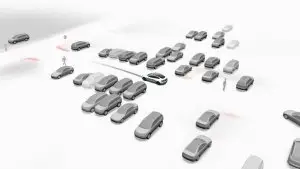
Around 2019, Tesla reorganized its driver assistance offerings and made Basic Autopilot standard on new vehicles, including both TACC and Autosteer. Enhanced Autopilot was later removed in North America as Tesla placed more emphasis on FSD. For years, the standard package covered the needs of many drivers, especially on highways; removing it is therefore a meaningful change to the baseline equipment buyers could expect.
That distinction matters when comparing vehicles. Lane centering has become common across the market, so its absence from a new Tesla’s standard feature set may stand out to shoppers weighing everyday convenience. The source provides no direct rival pricing or feature comparison, but the practical question for buyers is clear: whether FSD’s broader functions justify a monthly fee when the immediate need is simply maintaining a lane position on suitable roads.

Subscription growth and the distance to Tesla’s target
Tesla reported 1.74 million active FSD subscribers in Q3 2026, a record at the time. More than half were on monthly plans, and FSD was included with 75% of new vehicle orders in North America during the quarter. On a Q3 call, an analyst estimated that FSD’s recurring revenue was approaching $1 billion a year; Tesla confirmed the estimate.
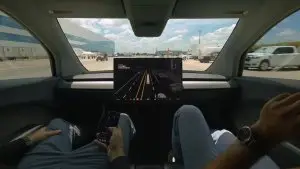
Those figures point to growing adoption, though they do not show how much of it came specifically from the Autosteer change. FSD’s inclusion with most new North American orders also means that subscriber totals reflect more than drivers independently choosing a paid monthly plan. For the business, subscriptions offer a continuing revenue stream. For owners, the distinction between a feature bundled with a vehicle and one that depends on an ongoing payment remains central.

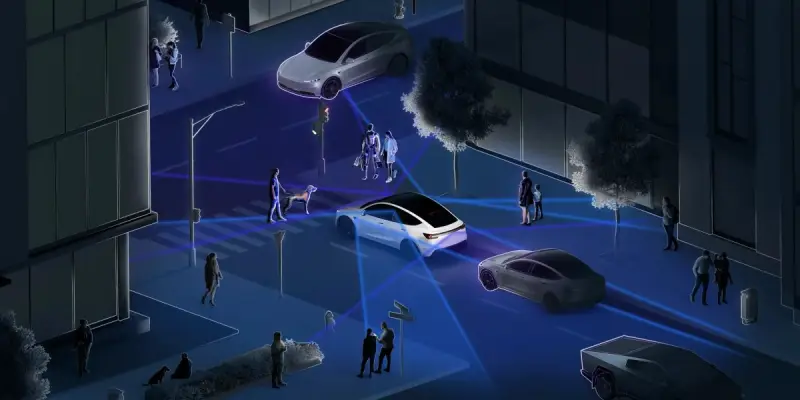
The subscription push also connects to Musk’s 2025 CEO Performance Award. One operational milestone sets a target of 10 million active FSD subscriptions or purchases alongside a $2.5 trillion market value. The reported 1.74 million subscribers remain well below that threshold, even with the recent record and the large share of new North American orders that included FSD.
Tesla has expanded FSD availability beyond North America, including South Korea and a growing number of European countries. Each additional market creates room to reach more potential customers, while the company’s progress will also depend on further expansion and continued development of the product. The source points to a possible Europe-wide decision in December, but offers no outcome to report.
The ownership trade-off
For prospective buyers, the immediate takeaway is to check which driver assistance functions are included with the specific vehicle and which require FSD. TACC remains standard on the new North American cars described here; Autosteer does not. Buyers considering a used Tesla may encounter a different equipment history, since Basic Autopilot was standard for years and earlier packages varied.
Tesla’s change appears to be supporting a broader subscription strategy, and its subscriber count is rising. It also puts a familiar convenience feature behind a recurring payment, sharpening the choice between paying for FSD and accepting a more limited standard system. The next measure to watch is whether Tesla can keep subscription growth going as it enters more markets and asks buyers to see enough value in the full package.