Tesla Says a Second Giga Berlin Factory Would Build a Different Model
- Joseph Williams
- 487 views
Giga Berlin is targeting 7,500 Model Ys a week, while Tesla weighs a second factory for an unconfirmed vehicle.
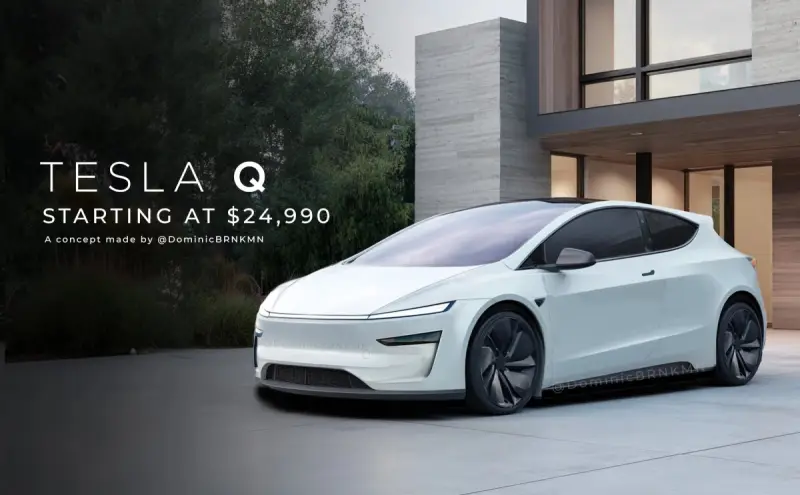
A second factory at Tesla’s Giga Berlin site would build a different vehicle from the Model Y, plant manager André Thierig said at the Automobilwoche Congress in Berlin. That points to a new product role for the Grünheide complex, though Tesla hasn’t chosen a vehicle or confirmed that it will build the additional factory.

Thierig said, “we won’t be building another Model Y factory,” according to a translated report from Automobilwoche. The statement draws a clear distinction between expanding the site’s current Model Y operation and adding a separate production line for another model. What that model might be remains open.
Cybercab is the clearest candidate
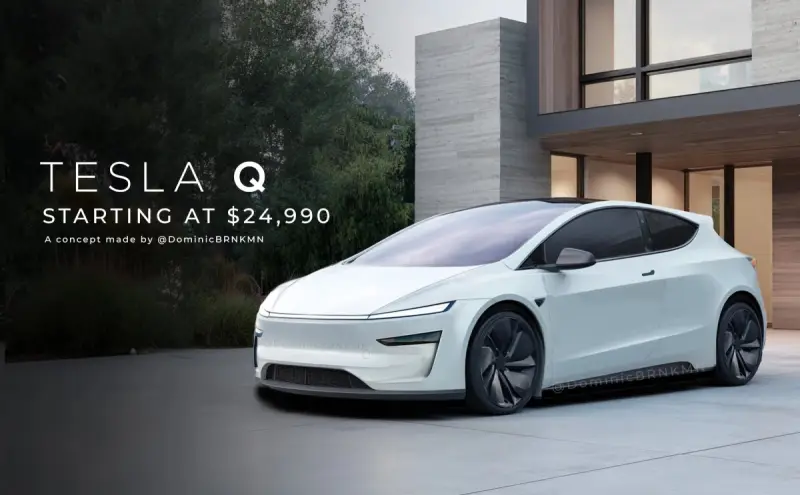
A smaller, more affordable Tesla for European buyers has long been a popular possibility. The Model 2 was reportedly shelved in early 2024 as Tesla shifted attention toward robotaxis; the company instead introduced lower-cost Standard versions of the Model 3 and Model Y. A compact passenger car could still be developed, but the available details don’t establish that one is planned for Grünheide.
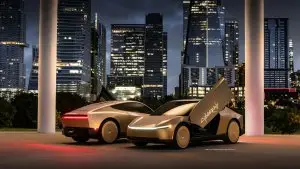
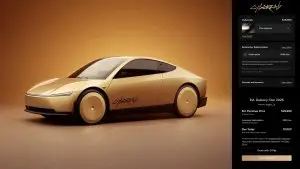
The Cybercab has a stronger connection to the factory in Tesla’s public comments. Elon Musk has described it as the “most likely next major product” for Giga Berlin, with Optimus potentially following it. He has also expressed hope that the Cybercab will come to Europe soon. Tesla is touring the vehicle in Europe, including four stops in Germany, one of them in Berlin.
That makes the Cybercab a plausible fit for a new production line, but not a confirmed one. A factory decision and a product decision are separate steps: Tesla has disclosed neither a final plan for the second building nor the vehicle it would produce. The tour and Musk’s comments indicate interest in the European market, while leaving the timing and manufacturing arrangements unresolved.
Expansion would add to a rising production base
Tesla has finished clearing land for the proposed expansion and plans to submit a building application in 2026. The work forms part of a broader plan to raise Giga Berlin’s eventual output to 1 million vehicles a year. That figure describes the longer-term site ambition; current production is still centered on the Model Y.
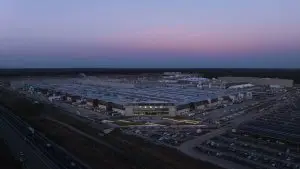
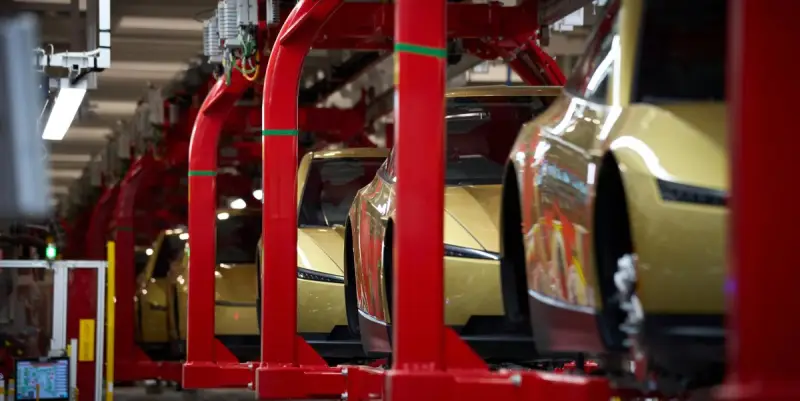
The plant has recently hired 2,000 workers in Grünheide and is ramping Model Y production toward 7,500 vehicles per week. Tesla says a car comes off the line every 45 seconds, with production running across 15 shifts each week. At that pace, the plant would move closer to its stated maximum capacity of 375,000 vehicles annually.

These figures show why a second factory would matter: the existing operation is already scaling toward its current capacity, while the larger expansion target would require considerably more production space or additional capacity on the site. A different vehicle could give the plant a broader product mix, but the practical impact would depend on what Tesla builds and how quickly the new facility comes online.
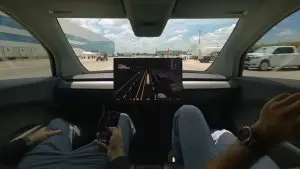
Giga Berlin also reached a production milestone this year, building its 750,000th vehicle. The recent hiring and output push follow earlier production increases and recruitment drives, suggesting Tesla is building up the workforce and current line as it considers the site’s next phase.
Battery production is another part of the plan
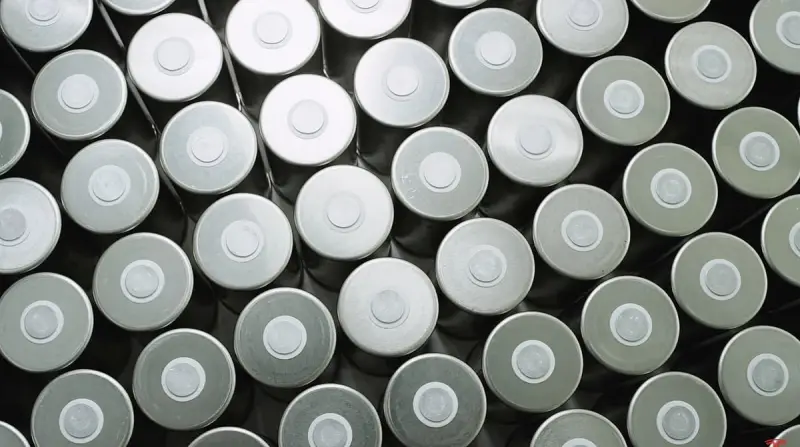
The expansion is taking shape alongside a planned change in battery supply. Giga Berlin already produces electrodes, which are sent to Texas for conversion into battery cells before returning to Grünheide. Full cell production at the German site is scheduled to begin by mid-2027, with planned capacity of 8 GWh.
If that schedule holds, the plant would bring battery cells and finished vehicle production together at one European location. For a new model, local cell production could become part of the site’s manufacturing setup, though Tesla hasn’t said whether the prospective second factory would use cells made there.
Thierig also said Tesla would keep the plant’s 38-hour work week, calling a reduction to 35 hours “a red line for us.” That position is another detail in the site’s operating plans as the company hires and increases production.
For buyers, the immediate takeaway is that no new Berlin-built model has been confirmed. Tesla’s comments rule out simply duplicating the Model Y line for a second factory, and the Cybercab currently has the clearest public link to the site. The planned building application and the company’s next product decisions should clarify whether that possibility becomes a production plan.


