Tesla Wall Connector Price Rises to $635 in Fourth 2026 Increase
- William Garcia
- 481 views
Tesla’s home charger now costs $635 in the U.S., while the Universal model is $720. The standard unit has risen 41% since January.
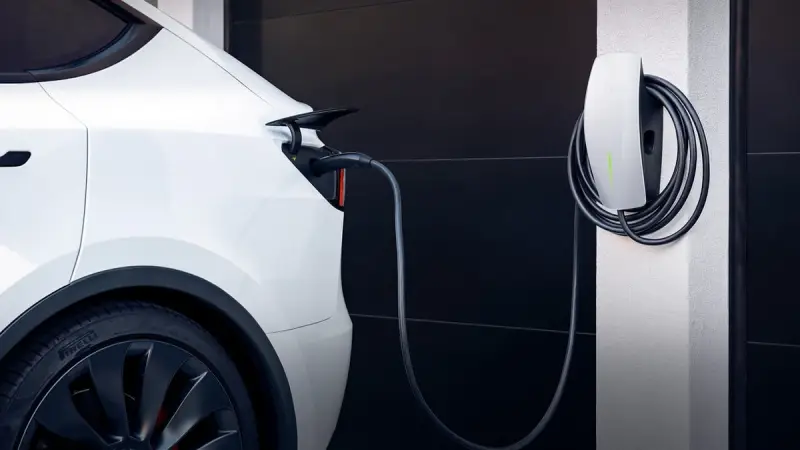
Tesla’s standard home charger has climbed to $635 in the U.S., a $50 increase that brings its total rise this year to $185. The Universal Wall Connector now costs $720. For owners weighing a home charging setup, the latest prices put more emphasis on whether the Tesla unit’s charging speed and app features justify the added cost. The question isn’t simply which model is cheaper: buyers also have to consider which vehicles they may want to charge over the life of the equipment, and whether its connected features matter to them.

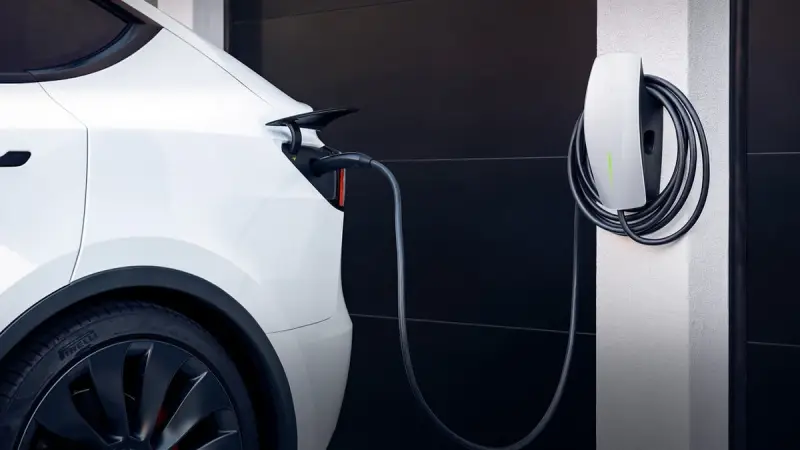
The standard Wall Connector began 2026 at $450. Tesla raised it to $485 in spring, $535 in July, $585 in September and now $635 in November. That is an increase of about 41% in less than a year. The Universal model has risen by $120 from its starting price of $600. The sequence matters: this isn’t one adjustment that buyers can easily chalk up to a single change in the market, but repeated increases that have steadily reset the price of the same product. That makes it harder to treat the January price as a useful guide for anyone planning a purchase now.
Two models, different vehicle compatibility
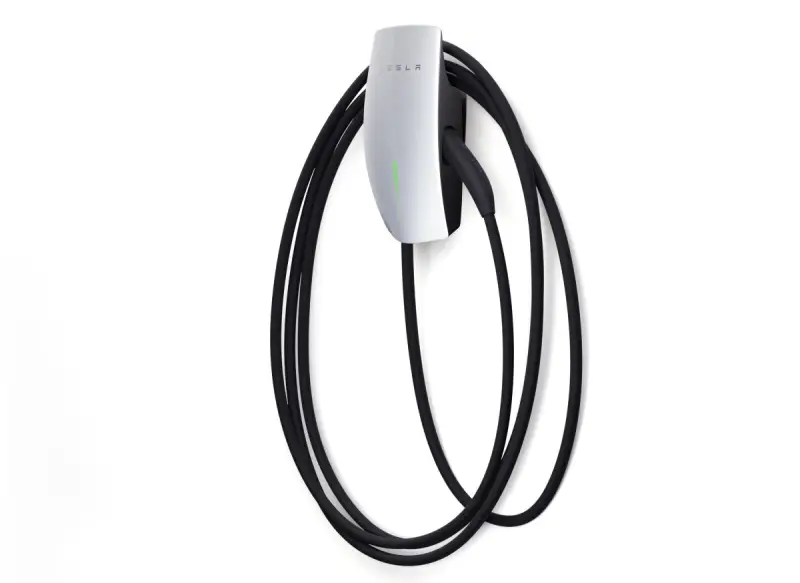
The standard Wall Connector is limited to Tesla owners. Tesla’s online shop requires buyers to sign in with an account that has a registered vehicle, and says Tesla ownership is required while supplies last. The listed financing option starts at $58 per month. That purchasing restriction is part of the product’s positioning: this model is aimed at drivers already within Tesla’s vehicle ecosystem, rather than households shopping for a charger that can serve several makes.

The Universal Wall Connector costs $85 more at the new prices, and its built-in J1772 adapter lets it serve non-Tesla electric vehicles as well. That added compatibility may matter in households with more than one EV brand, or for drivers who expect their next vehicle to use a different connector. For a Tesla-only household, the standard unit remains the lower-priced choice. But the price comparison gets less straightforward if a household’s vehicle mix changes: paying more now can buy flexibility, while choosing the cheaper model ties the purchase more closely to Tesla ownership. That’s a practical distinction, not a guarantee that the Universal unit will be the right choice for every future car.

The higher prices aren’t confined to the U.S. In Canada, the Wall Connector has moved from C$815 to C$885. In Australia, it now costs A$890. Tesla hasn’t explained the latest increases. Higher copper costs have been suggested as a possible factor, but the reason for the price changes hasn’t been confirmed. Without a stated explanation, buyers can see the pattern in the listed prices but can’t tell what’s driving it or whether the increases reflect a lasting change in Tesla’s pricing approach.

Charging capacity and connected features
Tesla lists the Wall Connector at up to 11.5 kW, with a claimed charging rate of as much as 44 miles of range per hour. Actual range added depends on the vehicle and charging conditions, so the figure is best treated as a maximum rather than a guaranteed result for every session. The quoted miles-per-hour figure is also a vehicle-range measure, not a promise that every car will take in power at the same rate. For daily use, a home unit’s practical value comes from being able to add charge while a car is parked, reducing reliance on public charging for routine top-ups. The benefit is convenience over repeated use, rather than a reason to assume every charging session will hit the listed maximum.

Wi-Fi connectivity adds access to over-the-air updates, remote diagnostics and charging controls through Tesla’s app. Those connected functions help distinguish the Wall Connector from a basic home charger, though their value depends on whether owners use the app and the related energy features. If you’re comparing chargers, it’s worth separating the features you’ll use routinely from those that sound useful in a product description but may not change your day-to-day charging habits. The hardware’s price keeps rising regardless; the value of its software features is more personal.

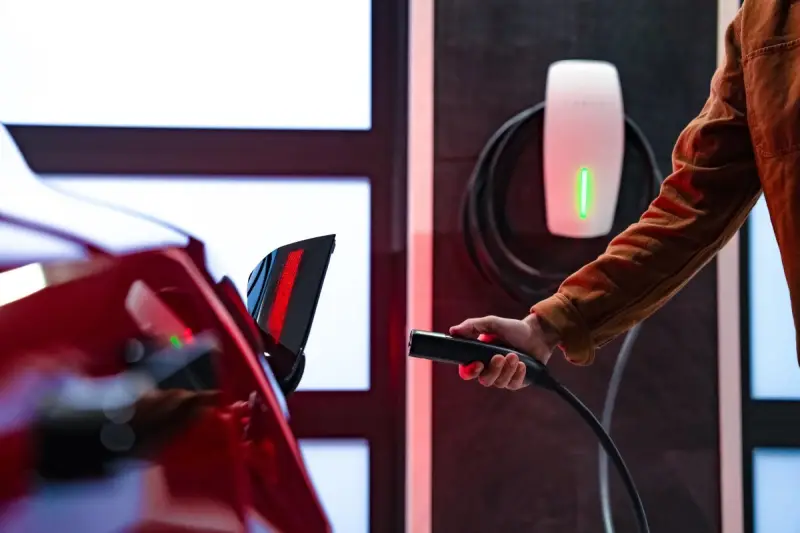
Recent software additions tie the charger more closely to Tesla’s home energy products. Firmware 26.34 brought smart charging for Powerwall owners, allowing a vehicle to charge when electricity is cheapest or use excess solar energy, depending on the selected Powerwall mode. Tesla has also introduced Powershare home backup for the Model 3 and Model Y, with the Wall Connector included in that setup. The combination makes the charger part of a broader home energy system for customers who own the compatible equipment. That can give the Wall Connector a role beyond adding range to a parked car, but the features depend on the household having the relevant Tesla products and configuring them for those uses. For buyers without that equipment, the added integration may carry little practical weight.

What the price trend means for buyers
Four increases in one year have changed the cost calculation for anyone planning a Tesla home charger. The standard unit’s $185 rise is substantial relative to its January price, while the Universal model’s adapter and multi-brand support offer a clear reason to consider spending more where vehicles from different manufacturers share a home. This is more significant than it looks: the price increases raise the cost of choosing into Tesla’s charging setup, while the product’s strongest case rests on features and compatibility that won’t matter equally to every household.

Buyers comparing options should look at vehicle compatibility, installation needs and whether smart charging or home backup features fit their setup. The listed hardware prices don’t establish the total cost of getting a charger installed, and the source provides no installation estimate. That’s a material gap in the shopping calculation, since hardware price alone can’t tell a buyer what a working home setup will cost. (And this is the part most people overlook.) The charger is only one part of the decision; the vehicle, home equipment and intended use all shape whether the premium makes sense.

Tesla’s repeated increases also give no reliable indication of what prices will do next; for now, the current U.S. prices are $635 for the standard Wall Connector and $720 for the Universal version. Buyers who need a charger now can compare those prices against compatibility and features they expect to use. Those still planning a future purchase have less certainty: the recent pattern shows prices have changed several times, but it doesn’t establish what Tesla will charge next. Hard to plan around.