Tesla Robotaxi Adds 24/7 Rides Across Eight Unsupervised Markets
- David Williams
- 597 views
Tesla has removed Robotaxi’s overnight service gap in eight markets, after extending operating hours in stages as it worked on nighttime driving.
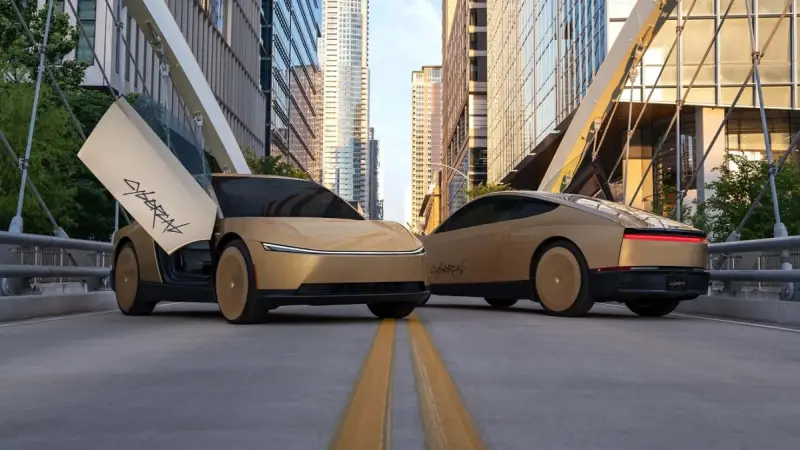
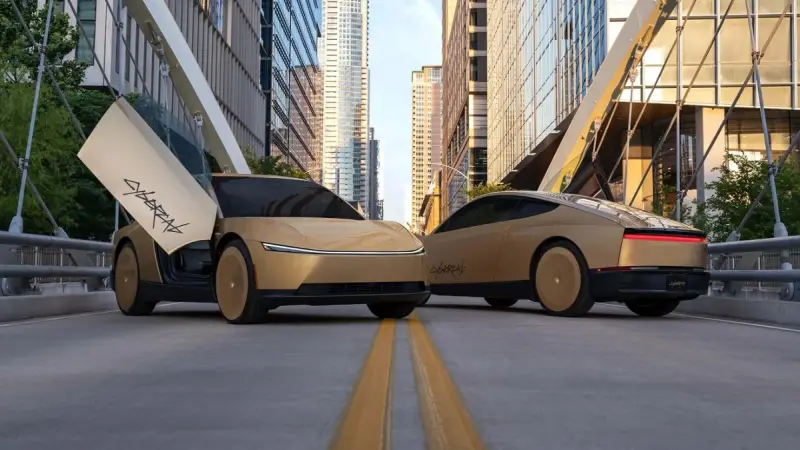
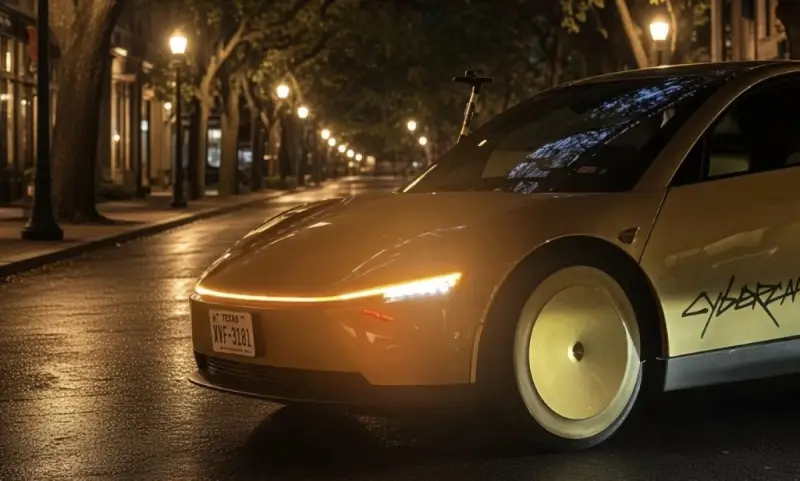
Tesla’s Robotaxi service now runs around the clock in all eight of its unsupervised markets, extending the service beyond daytime and evening trips. The change closes the overnight gap after several months of staged operating-hour increases, bringing Model Y robotaxis and Cybercabs onto a 24-hour schedule where they’re available.

The markets are Austin, San Antonio, Houston, Fort Worth, Dallas, Miami, Orlando and Tampa. Cybercab rides remain limited to Austin, so the expanded schedule doesn’t mean the two vehicle types are available in the same places. Tesla announced the new hours through its Robotaxi account.

A gradual move from evening to overnight service
The new schedule follows a series of smaller extensions. In August, Robotaxi service ran from 6 a.m. to 10 p.m., or 16 hours a day. In early October, Tesla extended the Austin schedule to 11 p.m. as its Cybercab fleet grew. Service later reached midnight, then 2 a.m. in late October. Last week, the start time moved earlier to 5 a.m., bringing the daily window to 21 hours before Tesla removed the remaining overnight break.
That progression matters because longer hours test a driverless service across a wider mix of conditions and trip times. Late-night and early-morning operation brings different visibility challenges from daytime driving, while 24-hour availability also makes the service easier to consider for trips that don’t fit a limited operating window. The announcement establishes the new schedule; it doesn’t provide figures for ride volume, vehicle availability or performance across those hours.
Before the change was announced, Tesla enthusiasts had spotted what appeared to be empty, unsupervised Cybercabs driving in Austin between 2 a.m. and 6 a.m. Those sightings suggested vehicles were operating during the hours the service had yet to add for riders. They didn’t, on their own, establish that passenger service was available throughout the night.
Nighttime detection was the stated challenge
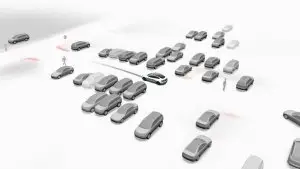
In early October, Elon Musk described spotting and avoiding animals at night as the main problem Tesla needed to address, using the example of “grey kittens on grey tarmac in the dark.” The staged schedule fits that account: Tesla added time in increments before opening the full day and night to rides. The source material doesn’t detail what technical changes enabled the final extension, so the new hours alone don’t show how the system handles every nighttime condition.
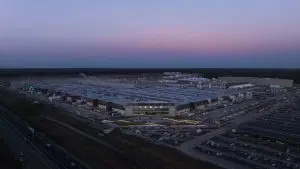
Tesla had earlier planned to begin 24-hour Robotaxi operation in October alongside a fleet-wide rollout of FSD v15. Tesla’s AI vice president, Ashok Elluswamy, had said v15 would unlock round-the-clock operations, and early builds were being tested on some Robotaxi vehicles. The schedule slipped by a few weeks, and Tesla hasn’t clarified whether v15 is now running across the entire fleet. That leaves an open question about the software behind the expanded hours.

Service expansion continues alongside longer hours
The operating change comes during a broader expansion of the Robotaxi network. Tesla recently launched service in Fort Worth and San Antonio in back-to-back weeks. San Antonio began with the largest service area yet, while Austin’s coverage grew by about 63% last week. Broader coverage and longer operating hours address separate parts of the customer experience: one affects where riders can book, the other when.
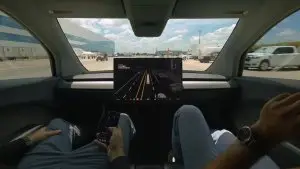
There’s still a geographic distinction to keep in view. The Bay Area remains outside the unsupervised markets covered by the 24-hour announcement; rides there are supervised. And while Tesla has discussed expanding Cybercabs beyond Austin, the current passenger service for that vehicle remains confined to the city. Dallas was identified as the next planned destination for Cybercab rides, with an expansion expected this month.

For riders, 24-hour availability is a meaningful change in access, but the announcement doesn’t specify wait times, fares, fleet size by city or how many vehicles will be on the road overnight. Those details will help show how consistently the service can meet demand at less busy hours. For now, the clearest measure of progress is the shift from a 16-hour schedule in August to continuous service across eight unsupervised markets, while Cybercab deployment and the Bay Area’s supervised rides remain distinct parts of Tesla’s rollout.