Tesla 2026.44.1 Hints at Supercharger Price Alerts, Route Options and Grok History
- James Williams
- 481 views
Tesla’s 2026.44.1 software contains clues to Supercharger price alerts, new routing preferences and Grok conversation history access.
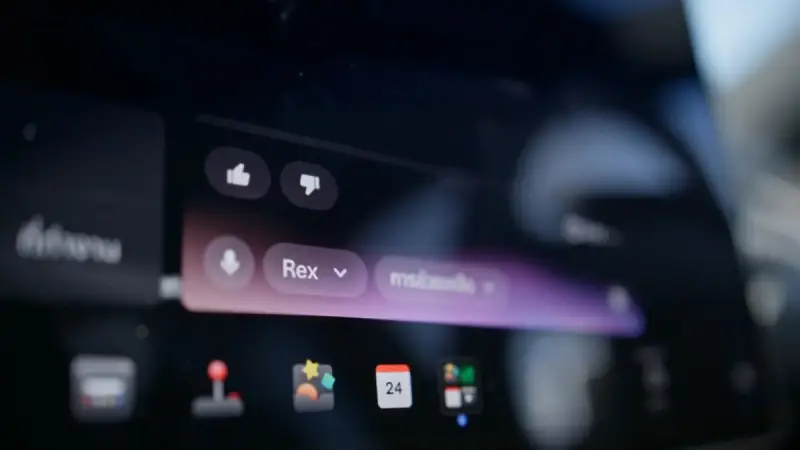
Tesla’s 2026.44.1 update appears to be laying groundwork for practical changes across navigation, charging and its in-car Grok assistant. Software researcher Green, known as @greentheonly, found references to Supercharger price alerts, a route preference for major roads, and access to vehicle conversations through the Grok app and website. Some features may already be active for certain drivers; others could still be in development.
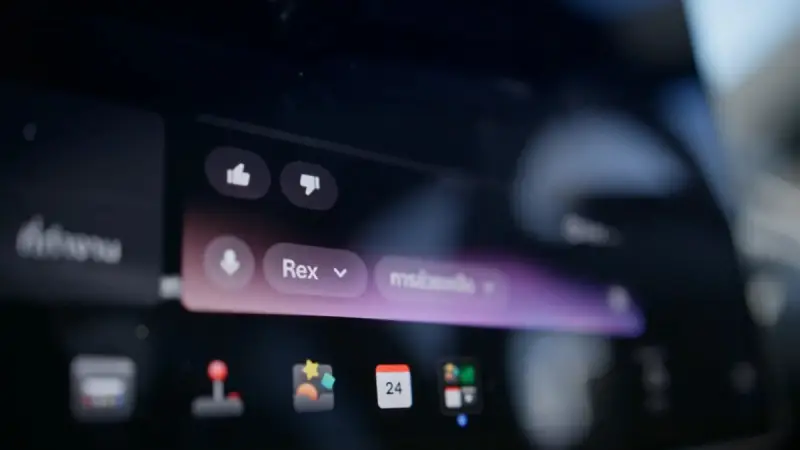
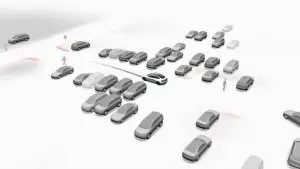
That distinction matters with software discoveries: a reference inside an update can show what Tesla is preparing without confirming when, or whether, every owner will receive it. The update began rolling out on November 17, 2026, while its listed release notes include Charger Network View, Automatic Collision Evasion, FSD v14.3.13 and security improvements. The newly identified functions add to the reported changes in charging and driver interfaces.

Charging costs could change during a trip
The most immediate ownership benefit may be an in-car notification when Supercharger pricing changes while a vehicle is already traveling to a station. Tesla has introduced dynamic pricing at some Supercharger locations, with rates that adjust according to demand. A driver could therefore see a different price by arrival than the one displayed when the route began.
An alert showing whether the rate has risen or fallen would give drivers a clearer picture of the cost before they plug in. It could also help them reconsider a stop if the price changes substantially, although the discovered software references don’t explain whether Tesla will offer an alternative station or recalculate the trip automatically. The exact alert timing and the locations covered haven’t been specified.
Earlier Supercharger pricing was based on time of day, with higher rates during daytime periods and lower rates overnight. Demand-based changes make prices more variable, so timely information becomes more useful for anyone comparing charging stops. No specific rates or savings figures were identified.
The software findings also point to adjustments involving home charging with a Powerwall, battery preconditioning and Supercharger queues. The details of those changes remain unclear. Tesla has been testing a virtual queue system that lets drivers join a digital line at busy charging sites. If the queue changes reach vehicles, the practical question will be how clearly the system communicates a place in line and what drivers need to do while they wait.
Navigation gains a road preference
Tesla appears to be preparing a setting that would let drivers prioritize major roads when the car calculates a route. The existing preferences include options such as avoiding highways and tolls. A major-road choice could steer navigation away from smaller streets and dirt or gravel roads, favoring routes that use more commonly traveled roads.
That could be useful when a destination is reachable by several paths and the shortest route includes narrow or unpaved sections. It would give drivers another way to shape the balance between route convenience and road type. The findings don’t specify how Tesla would define a major road, whether the setting would apply to every route, or how it would interact with other navigation preferences.

For drivers who regularly travel beyond urban areas, the difference between a mapped shortcut and a suitable road can matter as much as distance. A preference that reduces reliance on smaller roads could make route planning more predictable, but its value will depend on how Tesla classifies roads and whether the setting is easy to override for a particular trip.

Grok conversations may follow drivers beyond the car
Tesla is also working on access to in-car Grok conversations from the Grok mobile app and website. According to Green’s software findings, drivers who sign in to Grok in their vehicles may be able to revisit saved conversations across those services. That would connect use of the assistant in the cabin with its wider account experience.
A separate discovery points to a new wake-word implementation using an on-device embedding model. Tesla introduced “Hey Grok” earlier in 2026, allowing drivers to launch the assistant without pressing a button. The newly found model may relate to how the vehicle recognizes the wake phrase, but the software reference alone doesn’t establish how recognition will change in everyday use.

Other clues inside 2026.44.1
The update contains several less visible changes. Its software references an upgrade to the Linux kernel from version 5.4.302 to 6.18.38, and includes a reference to Soda Music, a music service in China. Tesla has also changed the name shown for the AI Computer in the vehicle properties menu: it now appears as SI Computer, short for Super Intelligence. The findings don’t explain what that label means for owners or whether it signals a change in hardware or capability.
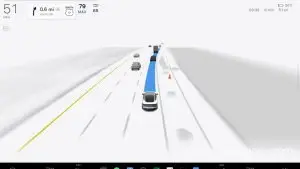
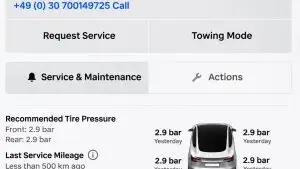
2026.44.1 also includes a redesigned Service menu and an improved Supercharger map view. Together, those visible changes and the newly uncovered references suggest the update reaches beyond cosmetic interface work, touching how drivers plan routes, manage charging and interact with the car’s assistant.
For owners, the features to watch for are straightforward: whether price alerts appear during an active charging route, whether the major-road preference becomes selectable, and whether Grok conversations sync outside the vehicle. Tesla hasn’t confirmed when the features still in development will reach drivers, so their rollout may vary as the software update progresses.


