Tesla 2026.44.1 Adds Charger Map Clustering and FSD v14.3.13
- Joseph Garcia
- 957 views
Tesla update 2026.44.1 groups charger map pins and brings FSD v14.3.13 improvements, plus Automatic Collision Evasion on new Model S and X.
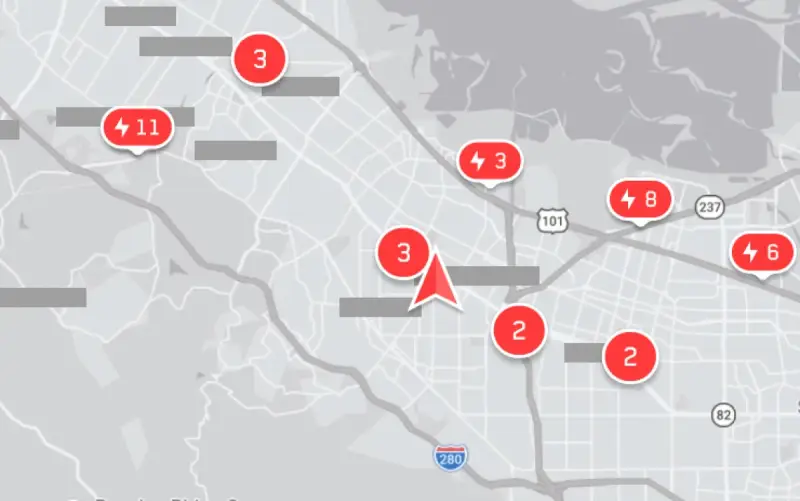
Tesla’s 2026.44.1 update combines a clearer view of charging coverage with a substantial set of changes to Full Self-Driving (Supervised). The software also adds Automatic Collision Evasion for new Model S and Model X vehicles equipped with HW4. For drivers, the most visible changes concern how charger locations appear on the map and how the supervised driving system handles parking, complex road situations and temporary performance issues.
Charger locations become easier to scan
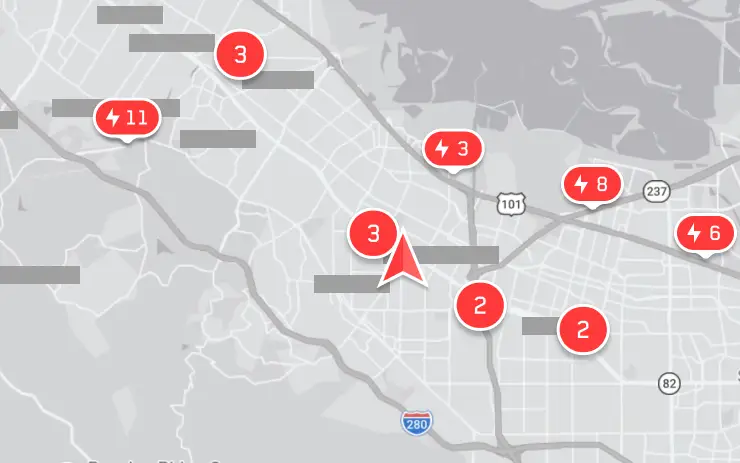
At ordinary map zoom levels, Tesla charger pins now cluster together. Zooming out shows network coverage rather than leaving individual location markers scattered across the map. The change is available worldwide on Model S, Model 3, Model X, Model Y and Cybertruck.
That presentation should make the map more useful when planning a route across a broad area: a grouped display gives drivers a quicker sense of where charging is available, while closer zoom levels can reveal individual sites. The release notes don't describe changes to charger availability, route planning, charging speed or site details, so this update is specifically about how network locations are displayed.
Automatic Collision Evasion comes to new S and X
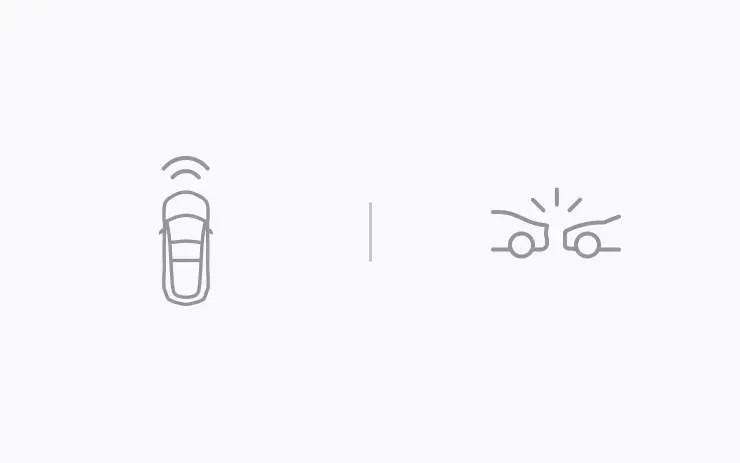
On new Model S and Model X vehicles with HW4, Automatic Collision Evasion can activate Full Self-Driving (Supervised) in an attempt to keep the vehicle safe and continue driving. Tesla says it may engage during manual driving if the system detects that the driver isn't sufficiently attentive to the road, such as when reaching toward the back seat, or if Full Self-Driving (Supervised) appears to have been unintentionally disengaged.
This feature involves the car switching into supervised driving in certain situations, so its availability doesn't change the driver's responsibility to pay attention. Tesla directs owners to the vehicle’s Owner's Manual for further details. The listed model availability is limited to new S and X; the update does not identify this feature as newly available for Model 3, Model Y or Cybertruck.
More details on Automatic Collision Evasion
FSD v14.3.13 targets edge cases and smoother behavior
The update includes Full Self-Driving (Supervised) v14.3.13 for HW4, with the release notes describing work across perception, driving behavior, parking and driver monitoring. Tesla says it upgraded reinforcement learning for training the FSD neural network and revised the vision encoder. The stated goals include better performance in rare or low-visibility situations, stronger understanding of three-dimensional geometry and broader recognition of traffic signs.
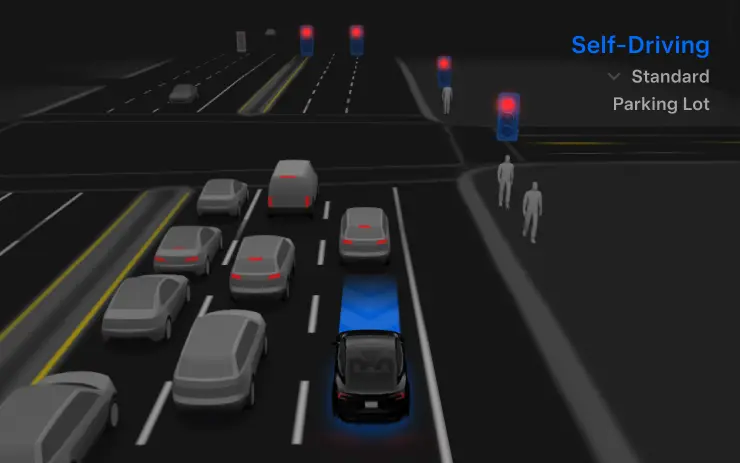
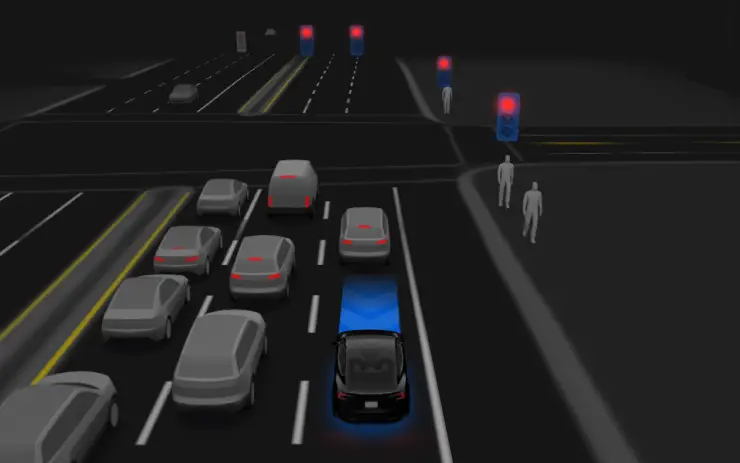
Other changes focus on situations that can be difficult to handle consistently. Tesla cites improved responses to emergency vehicles, school buses, vehicles that don't yield the right of way, and unusual objects extending or leaning into the vehicle's path. It also says training on fleet-sourced examples has improved traffic-light handling at complex intersections, on curved roads and when deciding whether to stop at a yellow light. Small-animal handling received additional reinforcement-learning work intended to encourage more proactive responses.
There are also changes to everyday movement. Tesla says v14.3.13 mitigates unnecessary lane biasing and minor tailgating, and makes parking-spot selection and maneuvering more decisive. Parking-location predictions now appear on the map with a “P” icon. When the vehicle reaches a destination, parking options can also appear on the map.
On the software side, Tesla says it rewrote the AI compiler and runtime using MLIR. The company reports a 20% faster reaction time and says the work improves the speed of model iteration. The release notes also describe changes intended to help the system maintain control through temporary degradation and recover automatically, reducing unnecessary disengagements. These are Tesla's stated improvements; the notes don't provide independent test results or a breakdown by driving condition.
Driver monitoring has been adjusted as well, with Tesla citing better eye-gaze tracking, improved handling of eyewear and greater accuracy under variable lighting. FSD, Actually Smart Summon and Robotaxi now share a unified model, a change first added in earlier v14.3 releases. Actually Smart Summon’s maximum speed has risen to 8 mph (13 km/h), though the notes say that increase isn't available on Cybertruck.
Drivers can select an intervention reason from the main screen after taking over. The Self-Driving app now shows distance traveled without an intervention and the longest such streak. Tesla lists expanded reasoning beyond destination handling and pothole avoidance as upcoming improvements; the notes don't give a release date for either.
Supervision remains central
Full Self-Driving (Supervised) can start from a parked position, make lane changes, follow navigation through forks, navigate around vehicles and objects, turn, and park at a destination. Drivers can start it using the on-screen button or a press of the right scroll-wheel button, and can disable it in Autopilot Settings. Tesla states that the system doesn't make the vehicle autonomous and that drivers must remain attentive.
The update also includes security fixes and improvements. Taken together, 2026.44.1 puts its emphasis on map readability and incremental changes to supervised driving. The details most likely to matter during use are the expanded handling of unusual situations, updated parking information and the new collision-evasion behavior on eligible S and X vehicles.