Cadillac Keeps Valtteri Bottas for 2027 as Colton Herta Waits
- Edd Straw
- 658 views
Bottas brings experience Cadillac still needs, while Herta has more time to build a case for a future F1 seat.
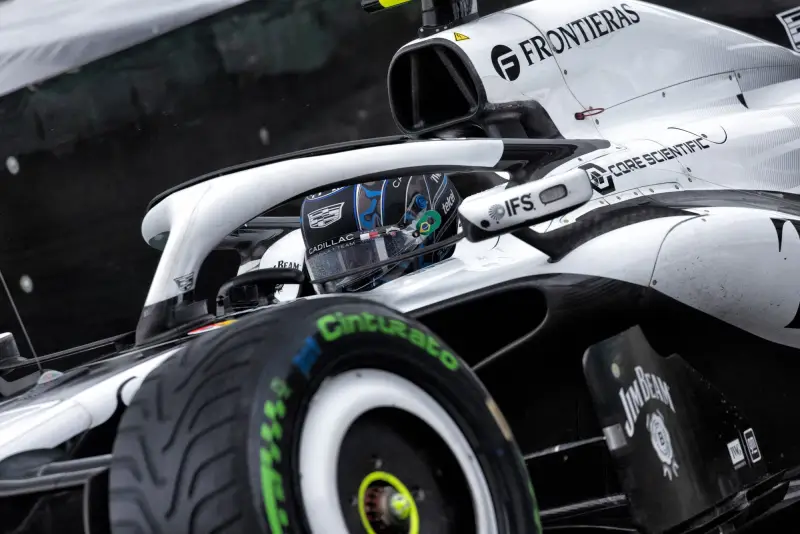
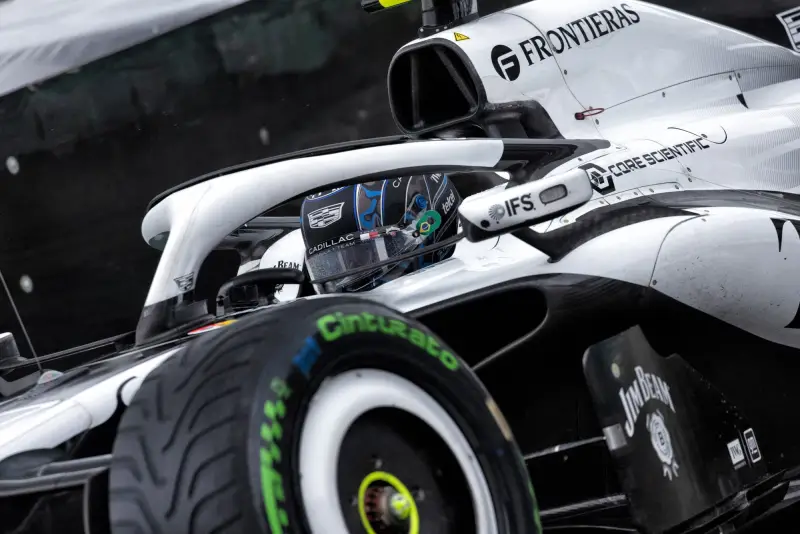
Cadillac’s choice of Valtteri Bottas for 2027 points to a team that still values experience and continuity more than a quick change in its driver line-up. Colton Herta now has the superlicence needed to race in Formula 1, but that eligibility hasn’t made him an automatic choice for the seat.
That distinction matters. Cadillac is still building its operation, and a driver’s contribution in that setting can extend well beyond lap times. Bottas has experience working in F1 and a productive relationship with Sergio Perez. Herta may yet earn a place, but the team hasn’t seen enough to make his promotion the clear choice right now.
Cadillac still has work for an experienced driver
Bottas was brought in for more than his speed. His experience and ability to work with Perez were part of the case for signing him, and those qualities remain useful while Cadillac develops as a team. F1 operations are complicated, and much of the work that helps a new squad improve isn’t visible in a race result.
Perez has looked stronger on track this season. Still, comparing the two drivers isn’t always straightforward: their cars and objectives haven’t necessarily been the same. Bottas has been carrying out the job Cadillac has asked of him, and that contribution can be valuable even when it doesn’t stand out on the timing screens.
Keeping him is the pragmatic decision. A rookie would bring the interest of the unknown, but also less experience for a team that is still finding its footing. For Cadillac, replacing Bottas now would mean giving up a known quantity at a point when his knowledge and familiarity with the team can help it move forward.
Herta has time to make his case
Herta’s superlicence makes an F1 seat possible. It doesn’t, on its own, show that he is ready for one. His recent Formula 2 results haven’t built a compelling performance case, and he hasn’t made the kind of impression that leaves Cadillac with little choice but to promote him.
There are examples of drivers reaching F1 after modest F2 campaigns. Ollie Bearman and Kimi Antonelli both moved up despite results that could be read as underwhelming. But their teams had already been persuaded that they had the ability to compete in F1. Their F2 form wasn’t the only measure of their readiness.
Herta has yet to establish the same level of conviction. That doesn’t close the door. Cadillac could be giving him more time to prepare and demonstrate what he can do, while Bottas continues to provide the experience the team needs now.
There’s also a practical cost to changing course early. Cadillac has confirmed Bottas for 2027, and moving on from him at this stage could be an expensive decision. The team has less reason to take that step when Herta’s upside remains uncertain and Bottas is already working alongside Perez.
A longer wait may suit both sides
Perez has a new multi-year deal, while Bottas is confirmed only for 2027. That leaves more open questions about the line-up beyond that season. The difference in those commitments makes Herta’s longer-term prospects worth watching, but it doesn’t confirm that he’ll get a seat in 2028.
His superlicence has taken years to secure. Once he has it, it should be easier to keep that option available even if he isn’t racing in F1. Cadillac may have wanted to ensure the door was open for Herta, without deciding that 2027 had to be his first season in the series.
More time could give the team a better basis for judging him. Herta could get opportunities to run in practice in a more developed Cadillac and show his speed in performance work, rather than spending his time on the baseline tasks a new team needed to handle in 2026. Those sessions would give both sides more evidence to weigh.
Waiting may also mean Herta is around 28 by the time a full-time F1 opportunity arrives. That would be an older debut than is typical for many current prospects, but age alone won’t answer whether he can deliver. What matters is whether he can make a convincing case when Cadillac has a seat to fill.
For now, Bottas offers Cadillac a steady hand while the team works through its early development. Herta has a route to F1, but he still needs to show that he’s the right driver for it. The next meaningful test is whether he can turn the new opportunities ahead into evidence that supports a race seat.
===

