1970 Chevy El Camino SS LS6 454: Why This Muscle Ute Is So Sought After
- [email protected] (Charles Krome)
- 634 views
The 1970 El Camino SS LS6 paired a 450-hp V8 with a one-year engine run, helping make it one of the most coveted El Caminos.
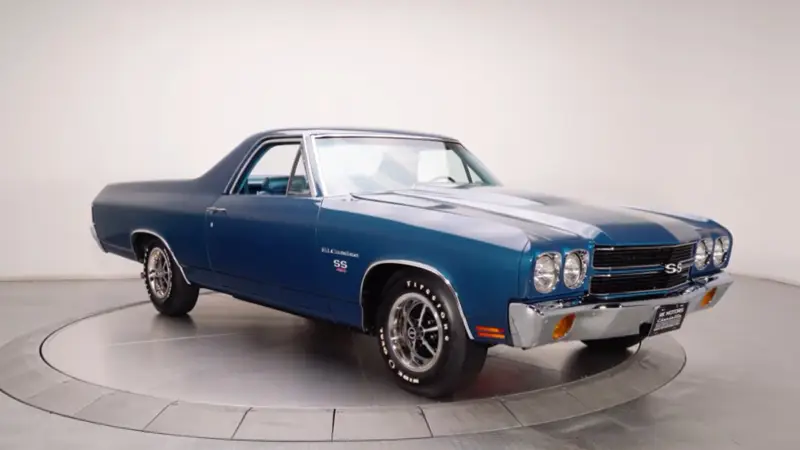
The 1970 Chevrolet El Camino SS LS6 454 sits at an unusual crossroads: it combines the open bed and two-door layout of a ute with the muscle-car hardware that made Chevrolet’s Chevelle a legend. Its appeal rests on a specific engine, a brief window of availability and a combination of performance and utility that few vehicles of the period could match.
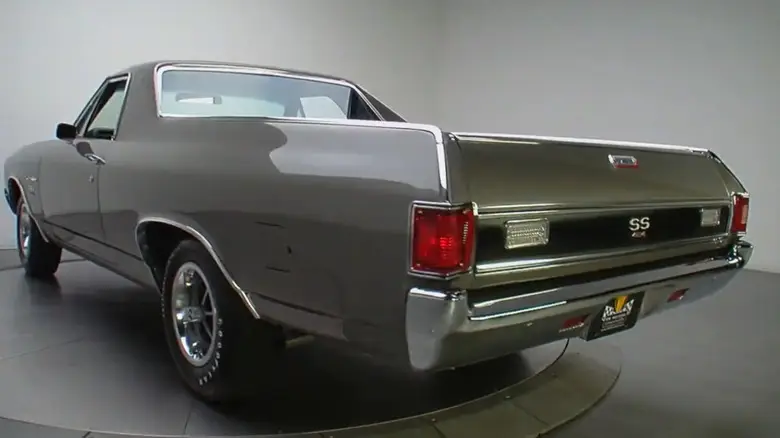
The model’s key draw is the LS6 V8, rated by Chevrolet at 450 horsepower and 500 pound-feet of torque. That engine was available in the El Camino for 1970, then disappeared from the model’s options for the following year. Chevrolet continued to offer an El Camino SS 454 in 1971, but it used the less powerful LS5. For collectors, that distinction makes the 1970 LS6 version especially significant.
A ute with muscle-car roots
The El Camino wasn’t the first production vehicle to pair a passenger-car front end with an open cargo bed. Ford of Australia engineer Lew Bandt developed the 1934 Ford Model 40-A Light Delivery, often cited as the first factory-made ute. Some accounts point to the 1927 Volvo OV4, depending on how the category is defined.
Chevrolet’s direct inspiration was closer to home. Ford introduced the Ranchero in 1957, using a full-size car platform for its car-and-truck combination. The model proved successful enough to prompt Chevrolet to respond with the full-size El Camino in 1959. That first version lasted through 1960, then the name returned in 1964 on a smaller platform shared with the intermediate Chevrolet Chevelle.
The 1970 El Camino benefited from that Chevelle connection. Chevrolet offered the LS6 in both models, putting the same high-output V8 in a muscle car and a vehicle with a cargo bed. The result gives the El Camino a different character from a conventional coupe: it could carry gear while delivering the sort of straight-line performance associated with Chevrolet’s most powerful production cars of the period.
What made the LS6 special
The LS6’s factory rating was formidable: 450 horsepower and 500 pound-feet of torque. Its cast-iron block and heads were paired with an 11.25:1 compression ratio, a four-bolt-main block, a four-barrel Holley carburetor and a high-performance camshaft. The numbers put the engine among the most powerful offerings available in a 1970 production car.
That rating also gives the LS6 El Camino historical weight. The Chevelle version became a celebrated muscle car, while the El Camino delivered similar engine hardware in a body style that blended passenger-car proportions with an open bed. The 1970 Corvette, despite its performance reputation, was also rated below the LS6-powered El Camino and Chevelle for that year.
The LS6 badge can be confusing across generations. The 1970 El Camino’s 454-cubic-inch LS6 is a different engine from the LS6 V8 associated with the 2027 Chevrolet Corvette Stingray. The shared name doesn’t mean the engines are the same; buyers and enthusiasts comparing them should treat each as a product of its own era.
Scarcity, value and what to check
Production figures for the 1970 El Camino equipped with the LS6 are difficult to establish. Hemmings reports that Chevrolet sold 4,475 vehicles fitted with the engine that year, but that total covers both Chevelles and El Caminos. It doesn’t provide a separate El Camino count, so the precise number of LS6 El Caminos remains unclear.
The limited run of the engine in the El Camino helps explain why collectors prize the model. A 1971 SS 454 may look like a close counterpart, but its LS5 engine makes it a different proposition. For anyone assessing a claimed 1970 LS6, the combination of model year, SS trim and engine identity matters; the badge alone doesn’t tell the whole story.
A 1970 El Camino SS LS6 sold for $275,000 at a Barrett-Jackson auction in 2023, a sale reported as a possible record price for an El Camino. That figure shows how far exceptional examples can climb, but it shouldn’t be treated as a fixed market value. Condition, documentation and the details of a particular vehicle affect what bidders are willing to pay, and auction prices can shift over time.
The El Camino’s appeal is more than rarity. It brings together a strong, clearly defined performance package and a body style with everyday utility, making the LS6 version a distinctive entry in Chevrolet’s muscle-car history. Its one-year engine window gives collectors a clear reason to seek it out; for drivers considering one today, confirming that the car’s specification matches its claimed identity is central to understanding what’s on offer.
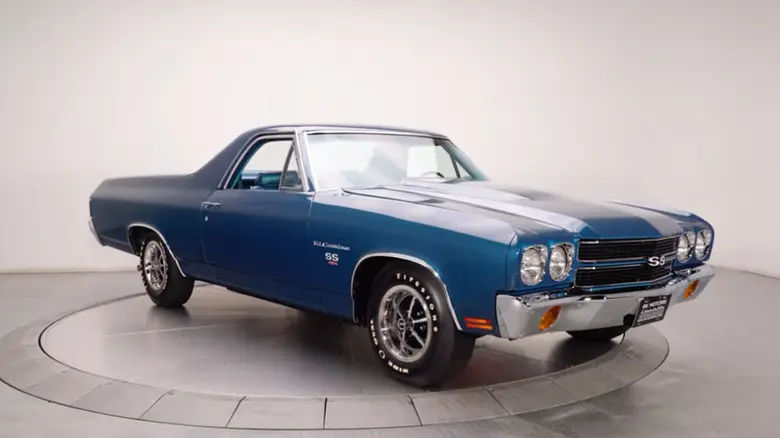
Image source: RK Motors/YouTube
The model that defines the high-performance El Camino
Chevrolet’s 1959 launch established the name, and the 1964 return placed it on a platform suited to the brand’s intermediate models. But it’s the 1970 SS LS6 454 that stands out for pairing the El Camino’s practical layout with the LS6’s 450-horsepower rating. With the engine gone from the lineup the next year and El Camino-specific production totals uncertain, that combination remains the model’s defining draw.