2024 Acura ZDX AWD Recall Targets Temporary Brake Pressure Loss
- [email protected] (Logan K. Carter)
- 358 views
A software update is planned for 14,648 all-wheel-drive 2024 Acura ZDXs after a rare fault could reduce brake pressure in specific conditions.
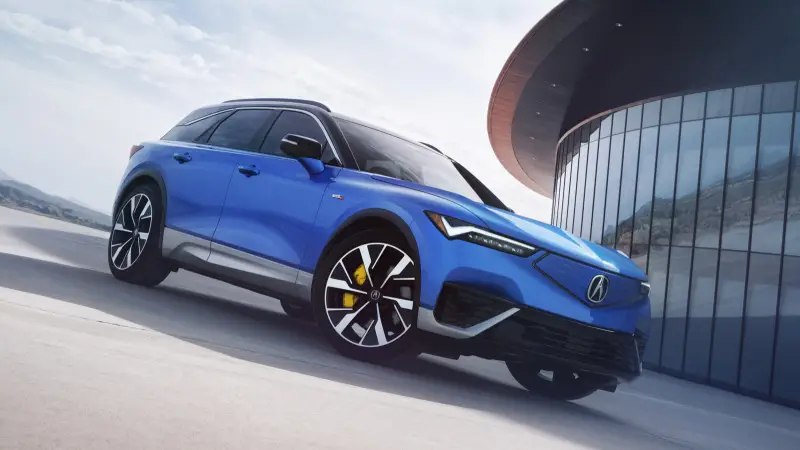
A brake software fault has brought the 2024 Acura ZDX into a recall affecting 14,648 all-wheel-drive vehicles. Under a narrow combination of driving conditions, the fault can cause a temporary reduction in brake pressure. Acura’s rear-wheel-drive ZDX models aren’t included, so checking the drivetrain is part of determining whether a particular vehicle is covered.
The issue sits at the intersection of software and vehicle dynamics. The brake system relies on calculated vehicle speed to judge how the wheels are behaving, and that calculation can become unstable during a specific sequence of turning, braking and wheel slip. The recall doesn’t describe routine braking as broadly impaired, but a fault that appears only in unusual circumstances can still matter: drivers may have little warning that the system’s response is about to change.
The ZDX was Acura’s first electric vehicle and shared its underlying platform, powertrain and technology with the Chevrolet Blazer EV. That connection now has practical importance for owners: General Motors has also recalled more than 67,000 electric vehicles over a similar temporary braking problem. Acura’s recall report describes a fault involving the calculation of vehicle speed and the brake control system. Similar behavior across related vehicles points to the importance of software logic in modern braking systems, though the two recalls and their reported consequences shouldn’t be treated as interchangeable.
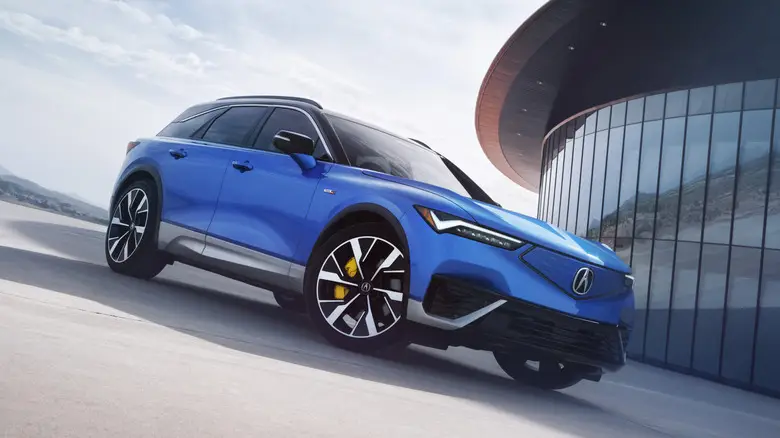
When the braking fault can occur
The condition requires several factors to coincide. While the ZDX is turning and the driver is braking lightly, wheel slip can occur as the vehicle passes over a road disturbance. If the driver then releases the brake pedal and presses it again, the software that calculates vehicle reference speed may become unstable. That sequence is narrow, but it involves ordinary inputs and a road surface that drivers can encounter without expecting a change in brake behavior.
On a high-friction road surface, that unstable calculation can make the system interpret the wheels as being in deep slip. It may then reduce brake pressure inappropriately. The sequence matters: the report doesn’t describe a general loss of braking during ordinary use, but a specific interaction between turning, light braking, a road disturbance and a brake release followed by reapplication. Here’s the thing: a system can work as intended through most driving and still have a meaningful safety defect when an uncommon combination exposes a weakness in its control logic.
The reduction is temporary. Releasing the brake pedal and pressing it again can restore braking, according to the recall information. That recovery doesn’t make the fault trivial for drivers: a brief change in braking response can be unsettling, particularly when it happens during a turn or while responding to changing road conditions. A driver in that moment has to interpret an unexpected pedal response while also managing the vehicle’s direction and speed.
And this is the part most people overlook: the fault depends on how multiple signals and actions line up, so a simple description such as “brakes may fail” would overstate what the report says, while dismissing it as a rare software glitch would understate the potential surprise for a driver. The recall’s specific account gives owners a clearer picture of the trigger, but it can’t tell them whether or when they’ll encounter it.
Software update planned for affected vehicles
Honda plans to correct the issue by updating the Electronic Brake Control Module software. Owners who’ve accepted the terms and conditions for over-the-air updates can receive the revised software remotely. Acura dealerships can install the update for owners who prefer to bring in their vehicles or whose ZDX doesn’t receive the update over the air. The two repair paths give owners a choice, though remote delivery depends on the vehicle being set up to receive those updates.
The recall covers 14,648 all-wheel-drive 2024 ZDXs. Rear-wheel-drive versions are excluded. That distinction is useful when checking whether a particular vehicle is affected: the model year alone doesn’t determine coverage; the drivetrain configuration matters too. If you’re working in this space, it’s a reminder that a shared model name can mask meaningful differences in recall scope, even within a single model year.
Honda reports no warranty claims or injuries associated with this issue. The scale of the separate GM recall provides context, but its reported incidents shouldn’t be attributed to the Acura. GM said its recall covered more than 67,000 electric vehicles and followed 20 minor accidents, two of which involved minor injuries. That comparison shows the issue has appeared across vehicles with a technical relationship, but the available information doesn’t establish that the Acura has experienced the same outcomes.
A short run, with a shared platform still in view
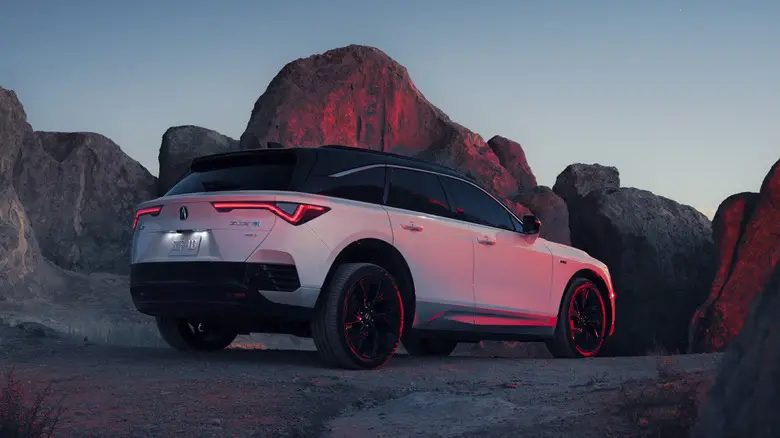
Acura discontinued the ZDX after one year on sale. Even so, the affected population is substantial enough that owners should check their vehicle’s recall status and arrange the software update if needed. The ZDX’s short production run may make it less familiar than other Acura crossovers, while its close technical relationship with the Blazer EV helps explain why a similar software problem has appeared across the two models. Short-lived models still carry a long tail of ownership questions, especially when the fix depends on software being installed after the vehicle has left the factory.
This is more significant than it looks. The recall concerns a narrowly defined event, yet it illustrates how braking performance in an electric vehicle can depend on software interpreting wheel behavior correctly, not just on the physical brake components. That doesn’t make software remedies suspect by default; it does mean owners need to know whether the update has reached their vehicle and whether the recall has been completed.
For buyers comparing used electric crossovers, the recall adds a concrete ownership detail to consider alongside cabin quality, range and charging needs. A software remedy can be delivered remotely to eligible vehicles or installed at a dealership, but the affected ZDX still needs that update to address the condition described in the recall report. The practical question is straightforward: has the specific vehicle received the repair? Acura owners can find recall information through the vehicle safety information website.