Firestone Firehawk Indy 500 V2 Review: A Budget Summer Tire That Grew Up
- Zach Butler
- 720 views
Firestone's updated Firehawk Indy 500 V2 adds sharper dry and wet grip, better steering response and more durability, while staying on the accessible end of ultra high-performance summers.
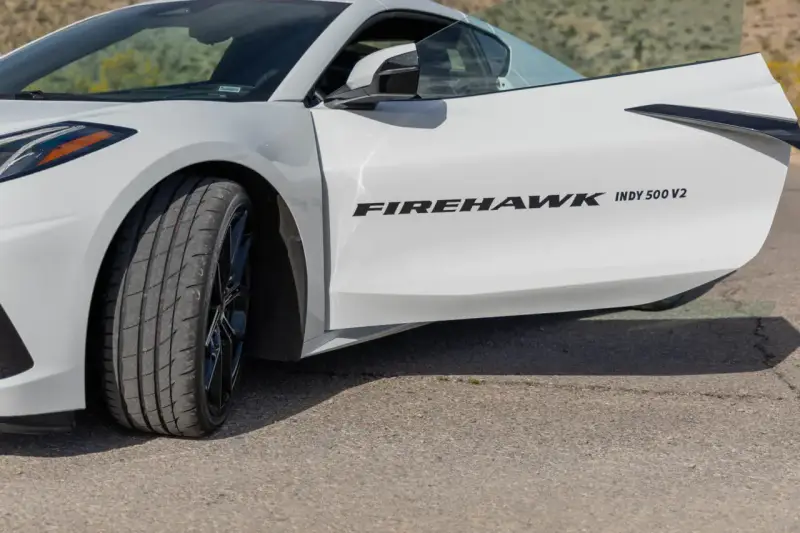
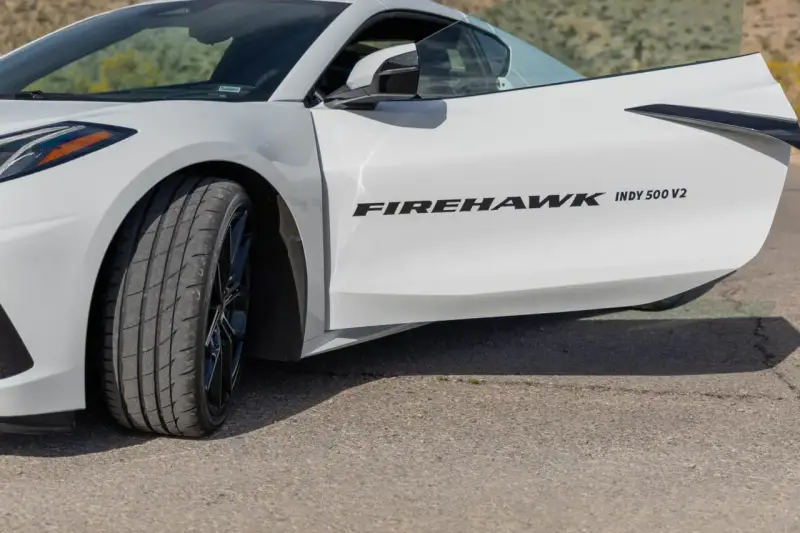
Tires rarely get the glamour, but they shape how a sports car feels more than almost any other component. Firestone's first Indy 500 earned a reputation as a sensible budget choice for enthusiasts who wanted summer grip without paying flagship money. The new Firehawk Indy 500 V2 is the company's attempt to keep that value story while closing the gap with the premium names. My read after a day of testing: the upgrades are real, and they're noticeable where it counts.
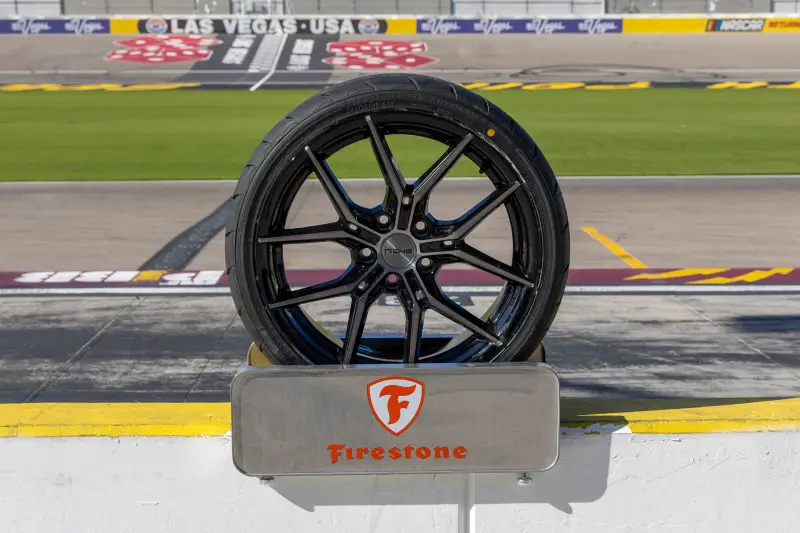
What Firestone changed under the tread
The V2 is an ultra high-performance summer tire meant to replace the original Indy 500. Firestone lines it up against the Michelin Pilot Sport 4S, the Continental ExtremeContact Sport 02 and the Pirelli P Zero, among others. Those are the benchmarks buyers of this segment compare against, so that's the yardstick that matters.
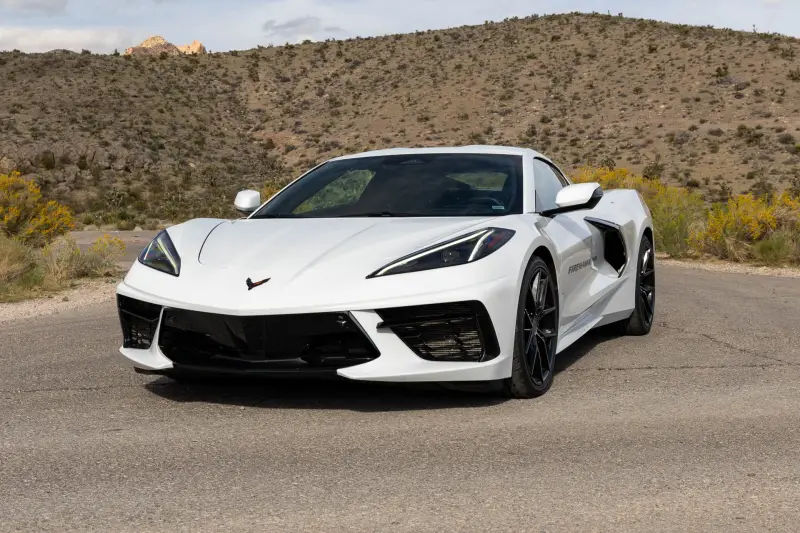
Firestone's stated priorities are better dry cornering grip, sharper steering response and improved wet traction. Durability also made the list, which matters more than it might seem. A tire that feels great for three events and then goes soft or squirmy isn't much of a bargain. Firestone says the V2 is built to hold its performance level over time, though it doesn't offer a treadwear warranty. That's typical for tires sold for spirited driving, where wear depends heavily on how hard you use them.
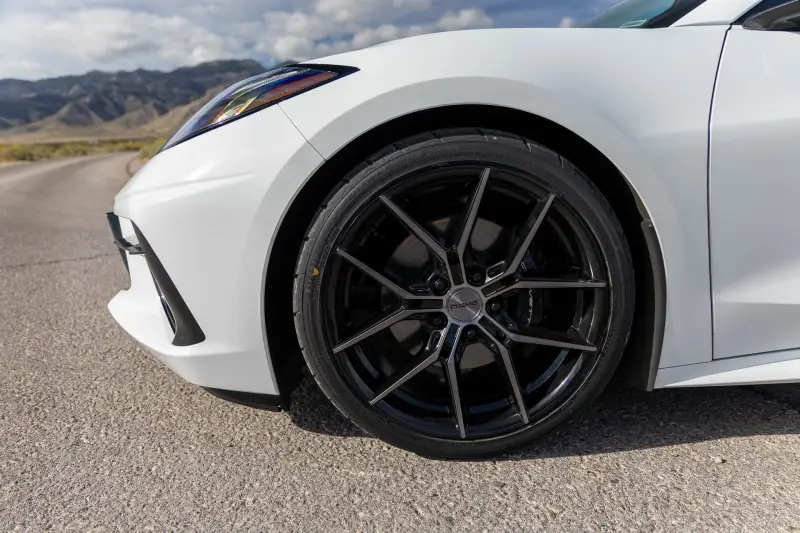
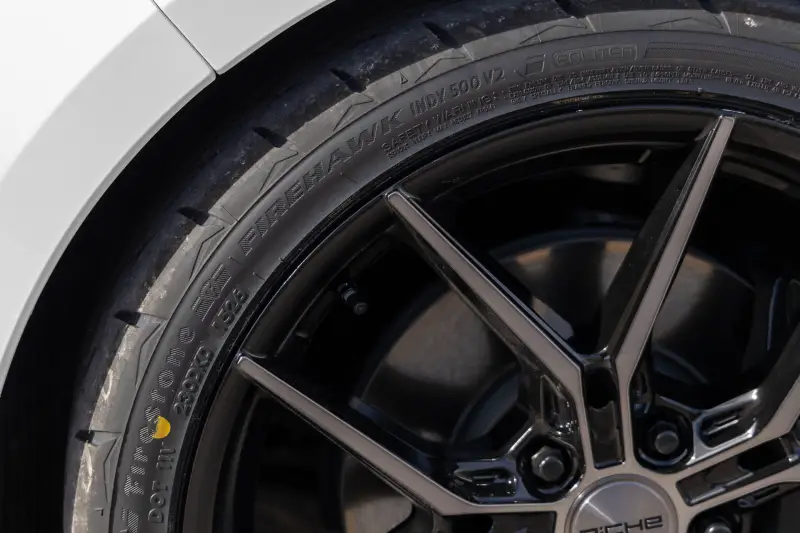
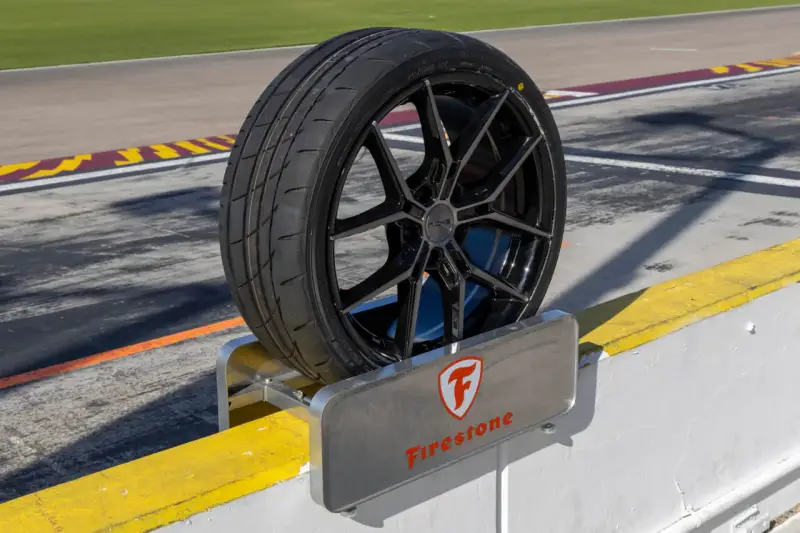
The tread design carries most of the engineering story. The V2 uses a "multi-round" tread block layout, with the center ribs contoured to balance contact pressure and move water out of the footprint. On the outer shoulder, a connecting block is meant to stabilize the tire as cornering loads build. The next set of blocks uses A-shaped grooves, which Firestone says aids predictability at the limit. Wide inside ribs and an updated compound round out the package. Firestone also points to its "Enliten" technology for lower rolling resistance without giving up grip, which should help with efficiency on the road, though that's a claim to verify over longer ownership rather than a figure you can read off a spec sheet.
Road and track impressions
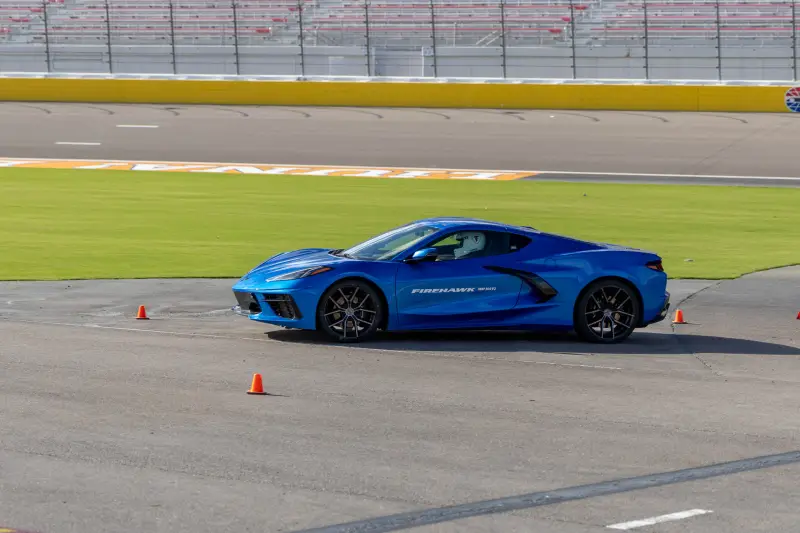
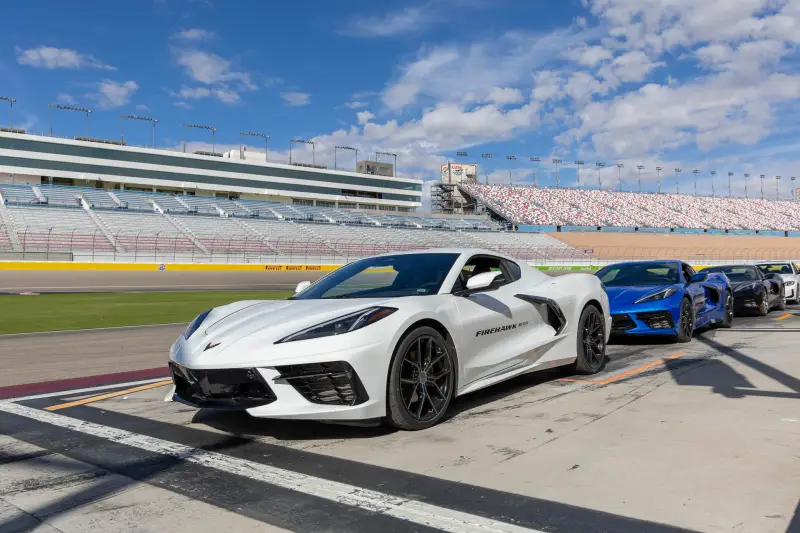
Most of those changes won't announce themselves on a highway loop. Firestone set us up on C8 Chevrolet Corvette Stingrays and sent us around Red Rock Canyon National Park before the track session. On the road, the car felt composed. Summer tires are louder than all-seasons, and that's still true here, but the steering character stayed intact. The front end didn't feel vague at mid-speed corners or nervous under braking, which is the first thing I'd want from a tire on a car this quick.
The real evaluation happened at Las Vegas Motor Speedway, where slaloms and the main oval offered a range of loads. I'm not a racing driver, so I was careful about how far I pushed. Firestone asked us to keep traction control enabled for the runs, which limits how much you can learn about the tire's breaking-away behavior. Read the track results with that caveat in mind.
Within those limits, the V2 impressed. A small slide through a chicane onto the oval was the only moment that asked for correction. Grip was plentiful enough that I felt I'd run out of nerve or skill before the tire let go, which is exactly the margin you want in a performance summer. Stopping distances under light and hard braking were consistent, with no wandering or unsettled behavior. Speeds past 100 mph on the back section were uneventful. Those are first impressions, not a long-term verdict, but they point in the right direction.
Value and fitment
Firestone offers the Indy 500 V2 in 65 sizes covering 16- to 20-inch wheels, so fitment is broad. The company pitched it for the Chevrolet Camaro, Dodge Charger and Challenger, Ford Mustang, Mazda Miata and Nissan Z. That range covers most of the affordable-to-mid-tier sports car market, which is where the tire makes the most sense. Pricing is where the V2 gets interesting. Measured against my own car as a baseline, Firestone positions it near the entry point of the ultra high-performance category. I didn't have verified pricing for direct comparison during the event, so check current retail numbers against the Michelin, Continental and Pirelli options in your size before you decide. The gap in price is the core argument for this tire, and it's a real one. Will the premium rivals offer more outright lap-time potential? Possibly, and if you're chasing fractions of a second on a closed course, that difference could matter. For road driving and occasional track days, though, the V2 looks like a sound choice. The buyer who wants confident dry and wet grip, predictable steering and a sensible price is well served here.
What to watch next
This was a first look, and the bigger questions remain open: wear rates over a full season, wet-weather behavior across a wider range of conditions and how the tire holds up under repeated hard use. Firestone's separate Destination LE4 touring tire is a different proposition aimed at everyday driving, and it will be covered on its own. Longer-term testing with the Indy 500 V2 is coming, and that's where the durability claims will get a proper test. If the tire holds its character through a few seasons, Firestone will have built a strong case for a place on the shortlist.