Manual Gearboxes Still Matter to Young Drivers Despite Automatic Test Growth
- Matt Robinson
- 542 views
AA Cars says 51% of 18 to 34 year olds expect their next car to be manual, with lower prices and wider used car choice helping keep demand alive.
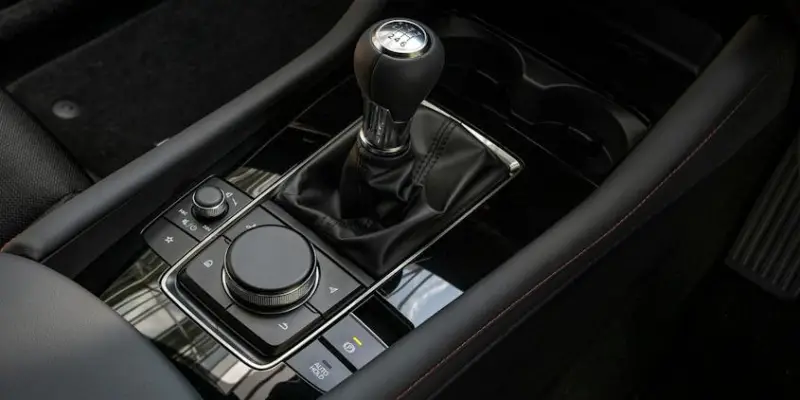
Manual gearboxes are losing ground in new car showrooms, but many younger drivers still see them as a practical choice. Research from AA Cars found that 51 per cent of 18 to 34 year olds expect their next car to have a manual gearbox. For buyers working within a tighter budget, the appeal may be less about driving involvement than having more cars to choose from.
The market is moving in the other direction. Premium brands increasingly offer automatic only ranges, apart from some specialist sports cars, and manual options are also thinning out among cheaper new models. Electric cars add to that shift: their drivetrains do not use a conventional multi gear manual transmission, so a growing share of new car choices comes without a clutch pedal.
That makes the used market central to the question. A buyer considering an older or lower priced car may find that restricting the search to automatics cuts down the available options. Keeping a manual licence allows that driver to consider both types of gearbox, which can matter when finding a car that fits a particular budget or set of needs. The survey result suggests that many younger drivers still value that flexibility, even as the new car market changes.
Automatic tests are becoming more common
In 2025, 30 per cent of practical driving tests were completed in automatic cars, the highest proportion recorded. A test taken in an automatic leads to an automatic only licence, so drivers who later want to drive a manual must first gain the relevant qualification. The growing share of automatic tests therefore sits alongside a sizeable group of younger drivers who expect to want a manual car.
Those figures describe different parts of the same shift. More learners are taking their tests in automatics, while the AA Cars research indicates that many 18 to 34 year olds still expect their next purchase to be a manual. The figures do not explain why each person chose a particular gearbox, but together they show why access to both types remains relevant as drivers move from learning to buying.
For a first time buyer, transmission choice can shape the size of the search. A manual licence keeps more used cars in consideration; an automatic only licence narrows that pool to cars the driver is permitted to use. That can be a practical constraint when price and availability already limit the shortlist. It does not mean a manual will suit every driver, but it helps explain why the gearbox still matters to buyers who may not describe themselves as enthusiasts.
AA proposes a shorter route to manual driving
The AA is proposing a manual conversion course for drivers who already hold an automatic licence. Its suggested route could involve up to 10 lessons covering clutch control, gear changes and hill starts, followed by an assessment. The proposal would give drivers a way to demonstrate those manual driving skills without repeating the full practical test.
At present, the route described by the AA is to take the practical test again in a manual car. The reported wait for a practical test slot is about 10 weeks, which can make that process less appealing for a driver who has already passed in an automatic and now wants access to manual cars. The proposed course is intended to address that gap by focusing tuition and assessment on the skills the driver needs to add.
AA Cars managing director James Hosking said manuals remain part of everyday life in the used market, even as they disappear from new car showrooms. He linked that continued presence to younger drivers’ reluctance to give them up, particularly among first time buyers seeking a wider choice of cars at a suitable price.
Hosking also said any conversion route would need a meaningful assessment. Drivers would still have to learn clutch control, gear selection and hill starts, then show they can use those skills properly. The proposal is therefore about changing how an automatic licence holder could qualify to drive a manual, while retaining instruction and a test of competence.
What buyers should watch
The immediate takeaway for buyers is that gearbox choice affects both the cars they can drive and the breadth of their used car search. Manuals are becoming less common among new models, but they remain relevant in the used market, according to Hosking. For younger buyers who want to preserve that wider choice, a manual licence still has practical value.
The AA’s proposal would matter most to drivers who passed in an automatic and later decide they want to consider manual cars. Whether a conversion course becomes available, and what its assessment would involve, remains unsettled in the information available here. For now, drivers face the existing requirement to take the practical test in a manual to qualify. The contrast between shrinking new car choice and continuing demand among younger buyers makes access to manual driving a question that will remain tied to the shape of the used market.


