154 England Speed Cameras Taken Out of Use After Software Faults
- Tom Jervis
- 514 views
A fault affected 154 variable limit cameras, with at least 2,650 wrongful activations recorded since 2021. Other camera systems remain in operation.
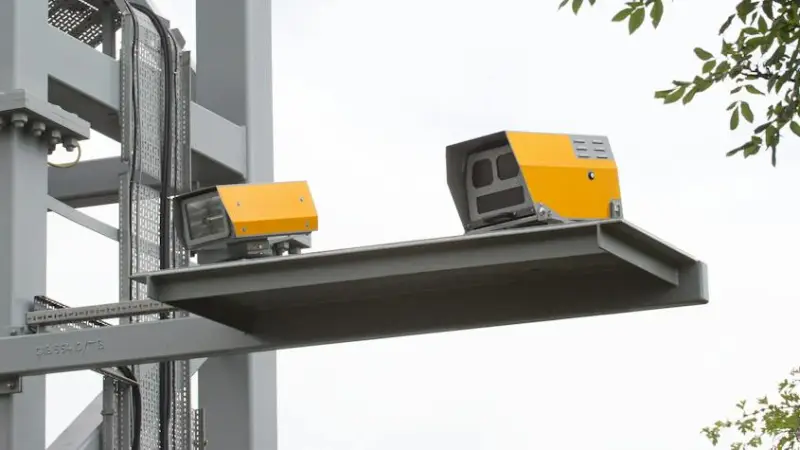
The suspension of 154 variable speed limit cameras leaves a sizeable gap in one specific part of England’s road enforcement network. The affected units are HADECS3X cameras on major roads and motorways. Their evidence can no longer be used to prosecute speeding cases after their type approval was revoked, following software faults that produced incorrect activations and may also have allowed some speeding to go undetected.
The scale is notable: National Highways found the fault in 154 of the 400 cameras of this type it operates. It recorded at least 2,650 wrongful activations dating back to 2021. Drivers who were fined incorrectly have been reimbursed, according to the report.
What the fault affected
The cameras work alongside electronic signs that display changing speed limits. A programmed delay of 17.33 seconds between a limit changing on the signs and the cameras responding may have created two kinds of error. Drivers could be recorded when the camera’s setting did not match the displayed limit, while others may have escaped detection shortly after a lower limit took effect.
That second possibility matters because a variable limit is only useful to drivers if the signs and enforcement equipment operate in step. A delay can make the change less predictable, even when the displayed limit itself is clear. The reported fault therefore raised questions about both the accuracy of individual cases and whether the system was enforcing the limit consistently.
Roads minister Justin Madders said the risk of incorrect prosecution, or of enforcement being compromised, was unacceptable. The Home Office revoked the system’s type approval, a status that had allowed its camera data to be admitted more readily as evidence in some proceedings. Without that approval, images captured by the affected equipment cannot be used to prosecute speeding offences, leaving the cameras effectively out of service.
Signs stay on, other cameras remain active
The electronic signs attached to the affected cameras will continue to display variable limits. That means drivers still need to follow the limits shown, even though these particular cameras cannot be used to build speeding cases. National Highways is to rely on additional patrols, mobile cameras and automatic number plate recognition cameras to help maintain compliance while the affected units are inactive.
The change is limited to the 154 faulty HADECS3X units. The other cameras in the 400-unit group remain operational, as do the country’s other fixed and average speed camera systems. For drivers, the practical point is that the suspension does not mean variable speed limits have been withdrawn or that speed monitoring has stopped across the wider network.
National Highways has also ended its contract with the supplier, Verra Mobility. The immediate task is to maintain enforcement with other equipment while the affected camera system remains unavailable. The source of the fault and the terms of any future replacement arrangements were not specified.
Review points to delays in handling the fault
The Westall Review examined how National Highways responded after the problem emerged. It found that the organisation missed 10 opportunities to act sooner, citing inaccessible data and unclear leadership as factors that slowed identification and escalation. The review said the lack of early momentum contributed to a later response that could have been avoided if the issue had been taken under control earlier and relevant groups had worked together in a coordinated way.
For motorists, that account adds a second concern to the camera fault itself: confidence depends on drivers believing that limits are displayed and enforced accurately. Reimbursement addresses the fines already identified as wrongful, while the review’s findings focus on how the problem was handled. The available information does not set out the full number of drivers affected or establish whether every incorrect activation resulted in a fine.
For now, drivers on roads with variable limits should continue to follow the signs, while expecting enforcement to rely on other cameras and patrols in the affected locations. The key measure to watch is whether the remaining systems can cover the gap while the faulty equipment is out of service.


