Mercedes-Benz C111 Heads to Auction With a €25 Million Estimate
- Christopher Brown
- 920 views
The 1970 C111, a 350-hp rotary-engine prototype, will be the first of its kind sold by Mercedes-Benz, with bidding expected to exceed €25 million.
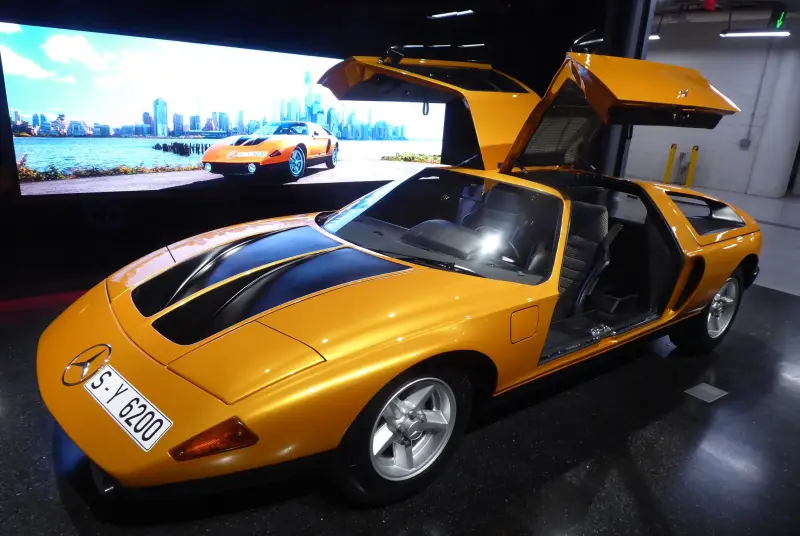
The Mercedes-Benz C111 was built to explore what a future sports car might be, but it never reached production. Now one of the experimental cars is leaving the company’s collection: car 33, a 1970 C111-II with a four-rotor Wankel engine, is scheduled for auction in Paris on February 3, 2027. RM Sotheby’s expects it to bring more than €25 million.
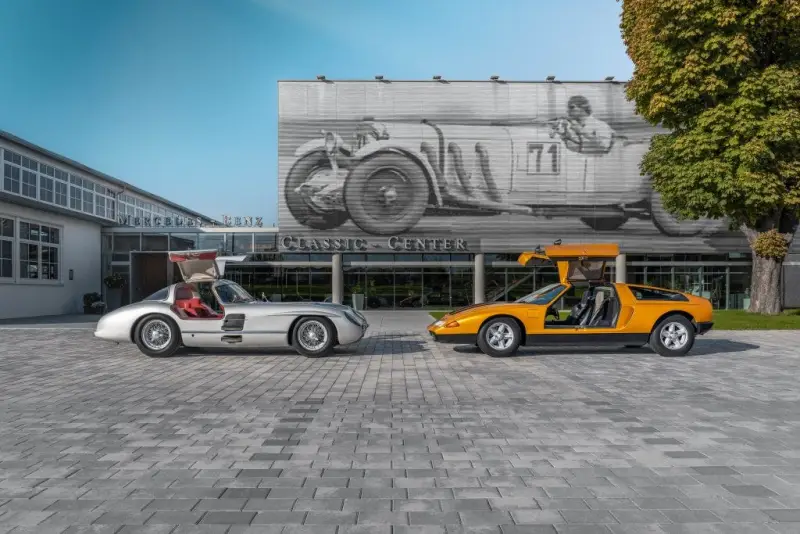
The sale marks the first time Mercedes-Benz has offered a C111 for purchase. The company has kept its experimental examples since the car’s first appearance in Frankfurt in 1969. Marcus Breitschwerdt, CEO of Mercedes-Benz Heritage, said no other C111 will be sold for at least 25 years. Of the original 16 cars, 13 still exist.
A prototype with serious performance
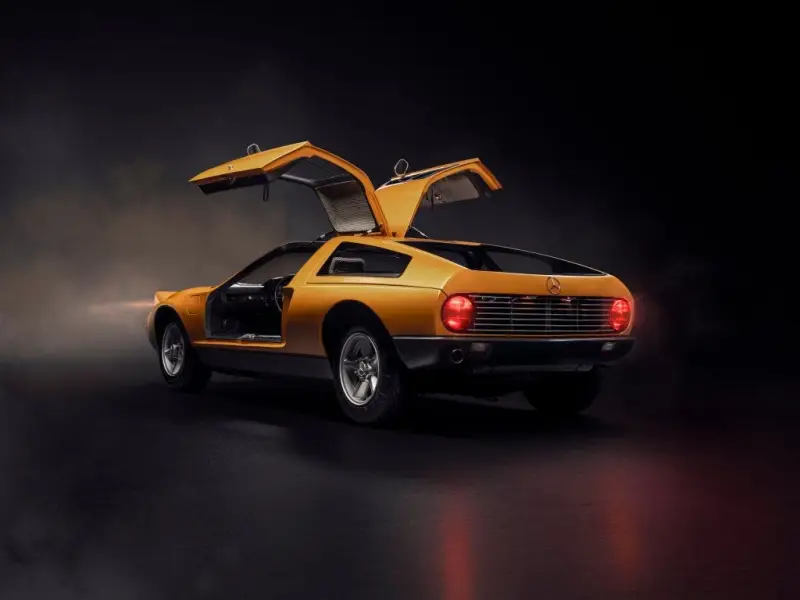
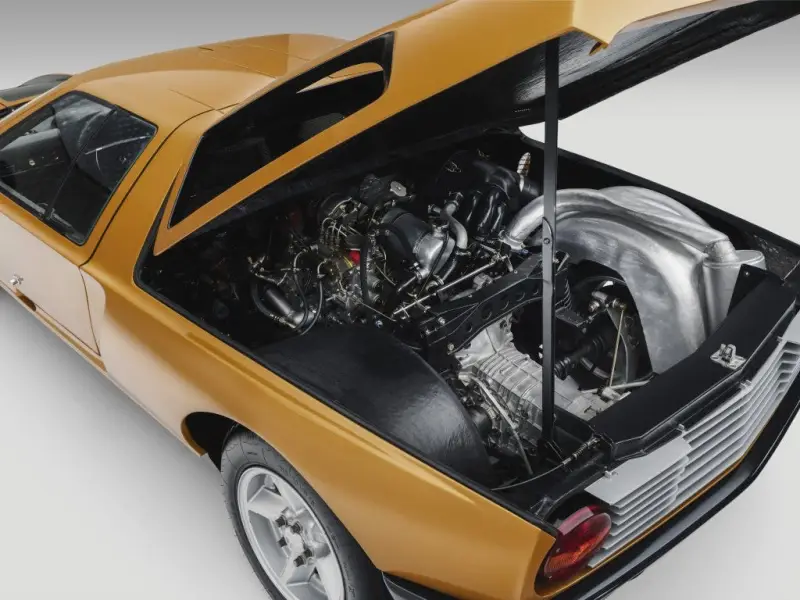
Car 33 is the second car in the C111’s second series. Its 2.4-liter four-rotor Wankel engine produced 350 horsepower and drove the rear wheels through a five-speed ZF manual transmission. Mercedes-Benz quoted a top speed of 300 kilometers per hour (186 mph) and a 0-to-62-mph time of 4.8 seconds. The car’s low weight helped: its fiberglass-reinforced plastic body, bonded and riveted together, kept the car to 2,733 pounds.
The C111 program also produced cars with diesel and V8 gasoline engines, and the family became known for high-speed testing. One C111 reached 210 mph at the Nardò Ring in 1978. These cars were run at race tracks to test speed and engineering, but they were never entered in races.
That distinction matters. The C111 was a rolling test bed, not a competition car or a preview of a finished production model. Its rotary powertrain was once seen as a possible direction for Mercedes-Benz, but high fuel consumption became a serious drawback as fuel prices drew greater concern. The company never put the C111 into production. Mazda continued developing rotary engines, giving the technology a longer life elsewhere in the car industry.
Engineering shaped the design
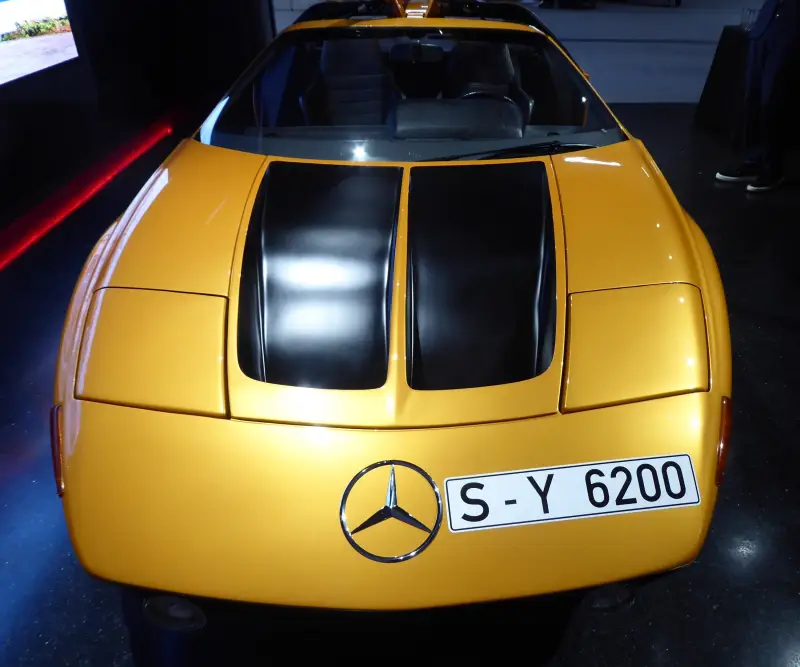
The gullwing doors are the C111’s most obvious link to the Mercedes-Benz 300 SL, but their purpose here was practical as well as stylistic. The car’s wide side sills housed two balanced fuel tanks, leaving little room for conventional doors. The resulting shape, along with pop-up headlights and bright orange paint, still gives the car the presence of a production supercar decades after it was built.

Dennis Heck, head of collections at the Stuttgart museum, said Mercedes-Benz had been considering a rear-mid-engine sports car since 1965. The company also secured rights to the Wankel engine, bringing the two ideas together in the C111. Heck said a large computer helped shorten development of the new model to 2.5 years.
Rudolf Uhlenhaut, then head of passenger-car development, is regarded as the C111’s central engineering figure. He took part in testing and even celebrated a birthday trackside at Hockenheim, sitting in the car with coffee and cake. The C111’s test work also helped establish its reputation beyond the engineering department: conductor Herbert von Karajan and the crew of Apollo 14 were among its celebrity passengers.
Restored, preserved and now for sale
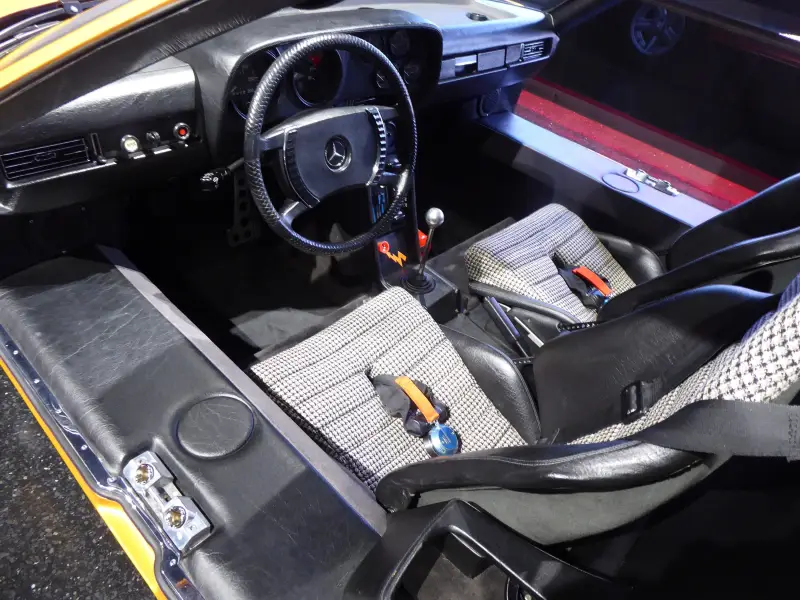
Car 33 was restored in 2024, the same year it appeared at Pebble Beach. It had been part of the Stuttgart museum collection since 2006. At a New York event ahead of the sale, its open gullwing doors revealed a period-style cabin with gray-and-white houndstooth seats and a vertically mounted Becker Europa cassette stereo. The interior looks close to production-ready, a reminder that the C111 was designed to be experienced as a car, even though it remained an experiment.
The odometer shows 10,000 miles. Breitschwerdt said he hopes the buyer will drive it, and videos shown at the event depicted the car moving briskly around a test track. That prospect adds a practical question for a future owner: a rare prototype with a complex rotary engine is a very different proposition from a conventional classic road car. The source of its appeal is also its challenge—preserving and operating a highly specific piece of Mercedes-Benz engineering.
The auction is set to take place alongside the annual Rétromobile show in Paris. RM Sotheby’s president Gord Duff gave the estimate as “in excess of €25 million.” Breitschwerdt said proceeds will support Museum 2.0, an expansion of the Stuttgart facility that includes a digital tour and additional gallery space for more recent classics. The museum receives a million visitors a year, he said.
The C111’s value rests on more than its rarity. It captures a period when Mercedes-Benz was testing a striking design, lightweight construction and rotary power in a single project, then chose not to bring the result to buyers. Its sale will put one of the company’s most recognizable experimental cars into private hands for the first time, while leaving the wider collection intact for at least another generation.


