Over-the-Air Recall Fixes Could Reshape How Vehicle Repairs Reach Owners
- James Garcia
- 679 views
Over-the-air fixes can remove the dealership trip that keeps some recalls open. New notice options and recall lookup tools are also under review.
Over-the-air software fixes are putting pressure on the traditional recall process: when a repair can be installed remotely, owners may not need to book a service visit or arrange alternative transport. At the Recalls Next summit, NHTSA Administrator Jonathan Morrison said the agency is exploring more flexible ways to notify drivers when a recall remedy can be delivered this way.
“What ultimately matters is not the number of mailers sent – what matters is the number of vehicles repaired,” Morrison said. That focus reflects a practical problem for owners and manufacturers alike: a recall notice does little to resolve a defect if the vehicle never gets repaired.

Removing the service visit barrier
NHTSA oversaw nearly 900 recalls affecting more than 29 million vehicles in 2025. Morrison pointed to inconvenience as a major reason owners leave recalls unresolved. A free repair can still mean time away from work, childcare arrangements or finding another ride; about four in 10 owners cited inconvenience as a main reason for not completing a recall.
An over-the-air update can avoid much of that friction when software is an appropriate remedy. The owner can receive the fix without taking the vehicle to a dealership, which helps explain why Morrison said these recalls generally have high completion rates. The practical gain is especially clear for drivers who would otherwise need to schedule a visit around work or other commitments.
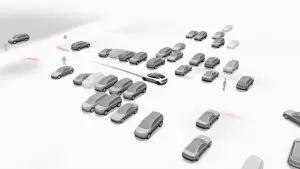
Remote delivery doesn’t make every recall a software job. Hardware problems still require physical repairs, and some remedies may involve both software and an in-person step. NHTSA oversees software-based recalls under the same recall framework as physical repairs, Morrison said. The agency is also examining whether notification methods can be more flexible when a vehicle has already received the fix.
Tesla’s experience shows the potential
Tesla has used software updates to address many recalls, with service visits reserved for cases where hardware work is necessary or a physical remedy is required. The approach can make a recall less disruptive for owners, though the repair method depends on the issue involved.
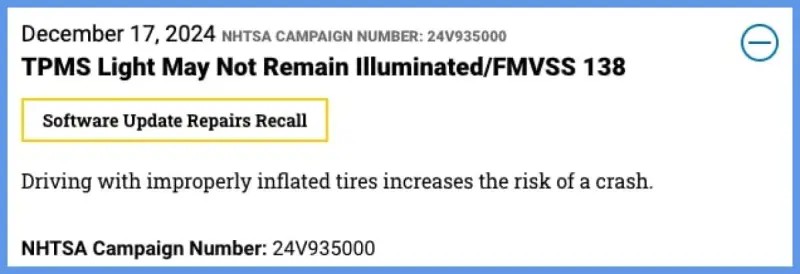
In 2024, Tesla resolved a tire-pressure monitoring system issue affecting about 700,000 vehicles through an over-the-air update before the recall notice was published. NHTSA had begun listing software-remedied recalls on its website around that time, but owners still received mailed notices weeks later. That gap is the kind of process detail behind the agency’s interest in more flexible notification: the repair may be complete while the paperwork still catches up.
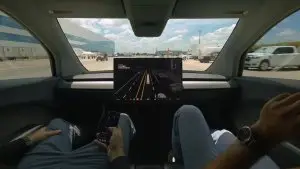
Tesla has also used a software-based remedy in China for a recall affecting nearly 3 million vehicles over emergency door releases. The update lowers the windows after a crash, while warning stickers address the manual releases. This example illustrates that a software remedy can form part of a broader fix, with physical information or hardware measures still relevant to the owner.

More ways to surface open recalls
NHTSA is making $1.5 million in grants available to help states include recall information with vehicle registration renewals. Morrison said letters from state motor vehicle departments sometimes produced repair rates two to three times higher than notices sent by manufacturers alone. For drivers, a registration reminder adds another chance to discover an unresolved recall; for manufacturers, it creates another route for reaching owners.

The agency has also introduced a bulk vehicle identification number lookup tool. Dealers and fleet operators can check as many as 100 vehicles at once, which could make it easier to track open recalls across a group of cars. Individual owners can check a vehicle through NHTSA’s or Tesla’s VIN lookup tools.

The summit also addressed how over-the-air recalls apply to autonomous vehicles. NHTSA is accepting public comments through December 5, and any changes to recall notice delivery could come after that period. For drivers, the key measure will remain simple: whether the remedy is clear, reaches the vehicle and closes the recall without unnecessary delay.