Tesla Says Cybertruck Is Profitable but Will Give Factory Capacity to Cybercab
- Thomas Williams
- 616 views
Tesla says Cybertruck orders exceed output, yet its complex production line will make way for Cybercab as the company prepares to refund some deposits.
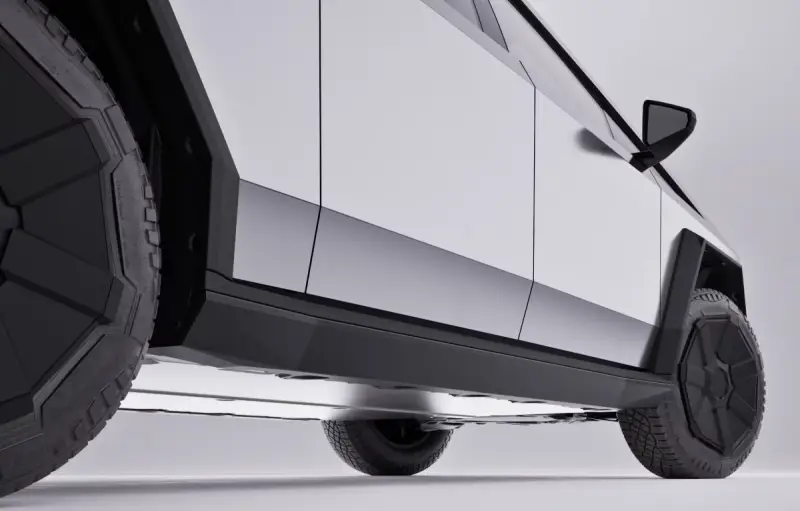
Tesla says the Cybertruck makes money, but that alone won’t keep it in production. Elon Musk’s explanation for ending the pickup’s production is a question of factory capacity: he says the truck’s complex manufacturing demands are outweighed by the opportunity to build more Cybercabs.

The decision puts two very different production prospects against each other. Tesla says Cybertruck orders exceed its current output, but its reported sales remain modest beside the Model 3 and Model Y. For buyers waiting on a truck, the practical issue is whether Tesla can build it before the planned shutdown, which Musk says is about eight months away.

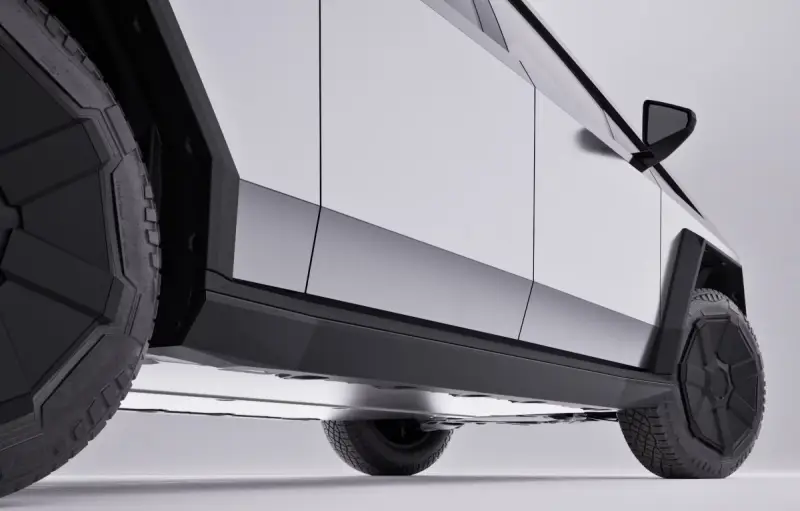
Profitability isn’t the deciding factor
Musk pushed back on reports that Tesla is ending Cybertruck production because the vehicle is unprofitable. In a post on X, he wrote, “This is not a case of Cybertruck being unprofitable, as has been misreported by legacy media.” He said the opportunity cost of the truck’s complexity “is vastly outweighed by the value of incremental Cybercab production.”
That distinction matters. A model can generate a profit and still be a less attractive use of factory space, equipment and skilled staff than another vehicle. Musk’s reasoning is that Cybertruck production ties up resources Tesla would rather direct toward increasing Cybercab output. He has also pointed to a limited pool of skilled engineers as a constraint.

Those remarks don’t establish how much profit the Cybertruck generates, or how much it costs Tesla to build. The company hasn’t disclosed a standalone profit figure here. The point Musk made is about prioritizing production capacity, not the pickup’s margin in isolation.
Backlog meets a shrinking production window
Musk says Cybertruck orders are arriving faster than Tesla can fill them. The company plans to build as many as possible before the line closes, but he expects that many customers will have their deposits returned. That means a long waitlist doesn’t guarantee delivery: Tesla’s stated plan is to wind down production rather than expand capacity to clear every order.
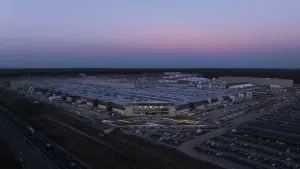
The company recently added an extra shift to work through its backlog. Musk had said the line would be dismantled around June or July, and Tesla has also raised Cybertruck prices by up to 9% while pausing orders for the base Dual Motor AWD trim. The price change and order pause suggest Tesla is managing demand against limited supply, though the company hasn’t given a detailed breakdown of which configurations account for the outstanding orders.

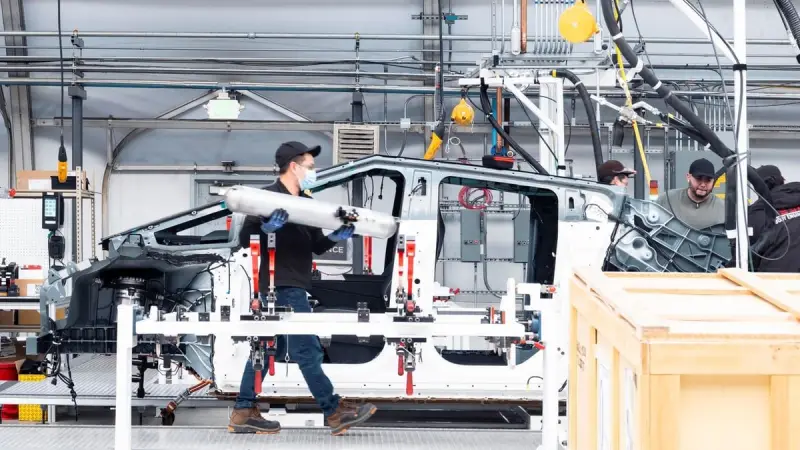
Many people in the queue may have ordered the Dual Motor AWD version when it launched at $59,990 in February. That earlier price could help explain why demand remains strong, but it doesn’t show how many of those orders Tesla can complete before production stops. For buyers, the next several months are likely to bring either a delivery or a refund, with timing dependent on Tesla’s remaining output.

More factory space is a costly answer
Asked why Tesla doesn’t build another factory, Musk said establishing a high-volume plant is extremely difficult, describing prototypes as “trivial by comparison.” Tesla has built plants in California, Nevada, Texas, Shanghai and Berlin, so the constraint isn’t an absence of manufacturing experience. The harder question is whether a separate plant or production line makes sense for a vehicle with Cybertruck’s current sales volume.

A new facility would take resources and time, while Tesla is trying to scale Cybercab production with the people and equipment it already has. Reallocating an existing line is a more direct way to make room for that plan, even if it leaves some Cybertruck customers without the vehicle they ordered.

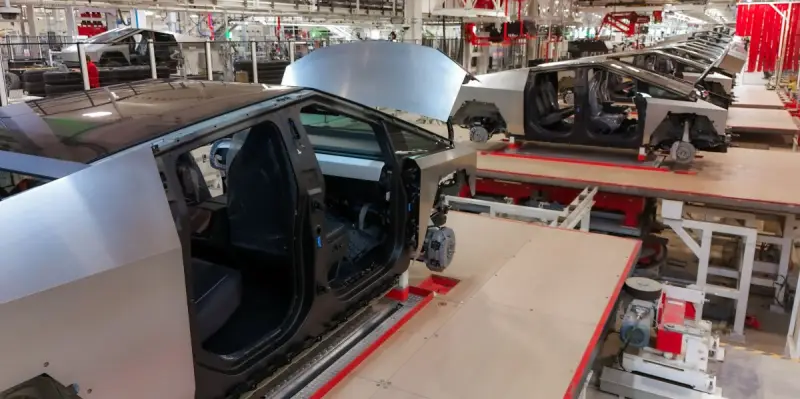
Reported deliveries show the scale gap
Tesla doesn’t publish a separate Cybertruck delivery count. In the third quarter of 2026, it reported 8,295 deliveries across its “Other Models” category, which includes the Cybertruck, Semi, and any remaining Model S and Model X inventory. That was down 48% from 15,933 a year earlier. In the same quarter, Model 3 and Model Y deliveries totaled 478,237.

The combined category makes it impossible to read Cybertruck volume directly from those figures. Still, its scale is a useful part of the production decision: even with a backlog, the pickup’s reported sales sit far below Tesla’s two high-volume models. The company appears to be weighing that limited scale against the factory capacity it wants for Cybercab, which it expects to build in larger numbers.
Tesla says existing Cybertruck owners will continue to receive parts and service after production ends. For prospective buyers, however, the near-term question is straightforward: whether the company can complete their order before the line is repurposed. Musk’s profitability claim may address why the truck isn’t being dropped, but it doesn’t change the production trade-off that could leave many deposit holders waiting for a refund.


