Tesla Cybertruck Backlog Puts Many Orders at Risk Before 2027 Production Shift
- Robert Garcia
- 430 views
Tesla says Cybertruck orders exceed output and expects to refund many buyers as production gives way to Cybercab. The entry Dual Motor AWD may be most exposed.
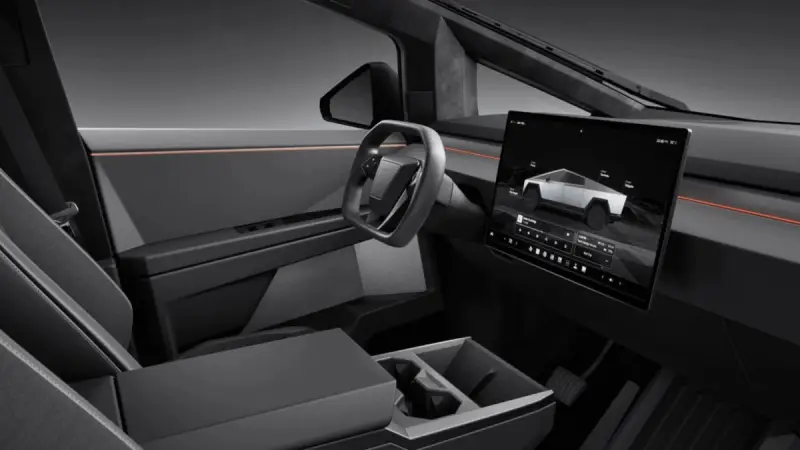
Tesla’s Cybertruck backlog is set to outlast the production line. Elon Musk says demand is running ahead of output, and that the company expects to return deposits to many customers when it ends Cybertruck production around mid-2027. For buyers still waiting, the key uncertainty is whether Tesla will prioritize order date, trim level, or another factor when deciding which trucks to build.
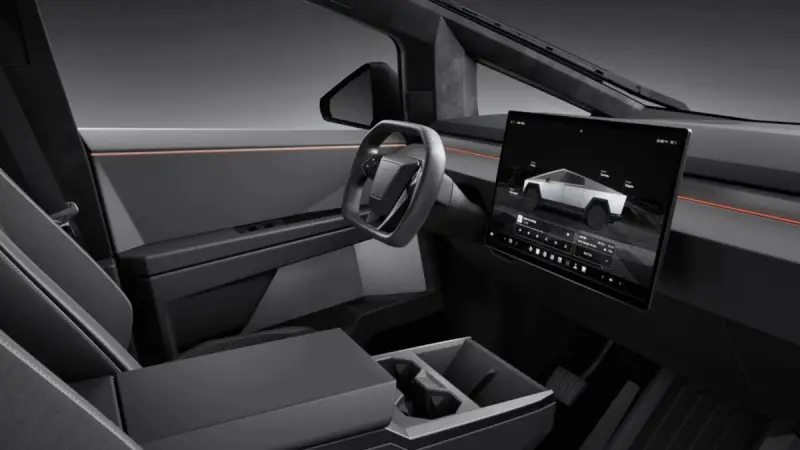
Musk wrote that Tesla would try to produce as many Cybertrucks as possible before shutting the line in about eight months, while warning that deposits would have to be refunded for “a lot of people.” He also said the order rate “far exceeds” production. Tesla has not provided a count of outstanding orders or a schedule for individual deliveries, so the scale of the shortfall remains unclear.

Factory capacity is shifting to Cybercab
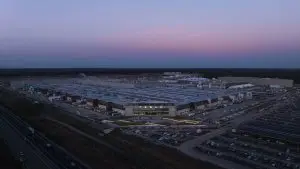
Tesla has said it plans to stop Cybertruck production at Giga Texas around mid-2027, making room for increased Cybercab production. The company has also said it will add an extra Cybertruck shift to work through the backlog before the line is taken down, expected around June or July. That additional capacity should help, but Musk’s comments make clear it won’t be enough to fulfill every order.
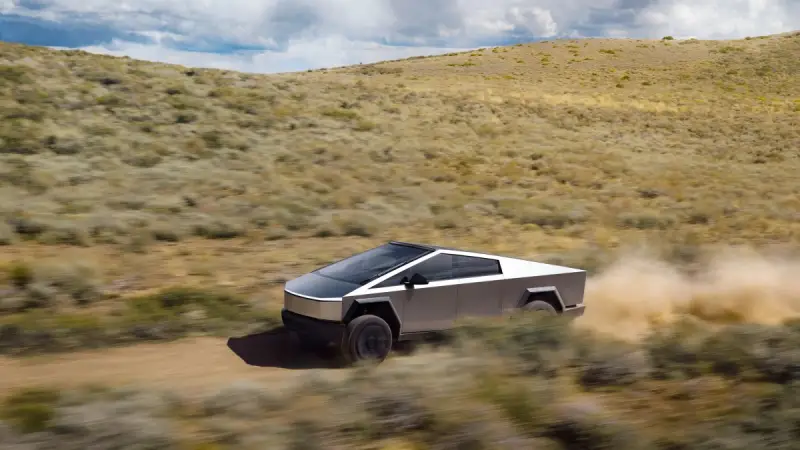
The decision is a capacity tradeoff. Tesla has described the Cybertruck as profitable, while arguing that the factory space and engineering effort devoted to it would be more valuable for Cybercab production. That framing suggests the production change is driven by how Tesla wants to use its factory resources, rather than by a claim that the pickup cannot make money.

For people awaiting delivery, the shift creates a limited window in which Tesla can build remaining trucks. An extra shift may raise output, but it does not resolve the central question: how many units can the line produce before the changeover, and how many customers remain in the queue? Tesla has not disclosed either figure.
The entry Dual Motor AWD could face the longest wait
Tesla hasn’t identified which configurations are most likely to be refunded. The entry Dual Motor AWD looks particularly exposed, though that remains an informed guess rather than a company-confirmed plan. It launched in February at $59,990 and retained practical features including bed outlets and a powered tonneau cover, while omitting air suspension and some interior extras.

The price and equipment made it a different proposition from the earlier Long Range Rear-Wheel Drive truck. That version launched in spring 2025 for $62,490 after the federal tax credit, but dropped air suspension, leather seats, the rear screen and bed outlets. Tesla discontinued it later that year. The Dual Motor AWD offered more equipment at a similar price, which may have attracted a larger pool of buyers.
Tesla raised the Dual Motor AWD’s price not long after launch and recently paused new orders for the trim. Those moves leave open the possibility that its existing queue is substantial. As the least expensive Cybertruck configuration, it may also bring in less revenue per vehicle than higher-priced versions. If Tesla chooses to focus limited production on pricier models, the entry trim’s customers could wait longer or be more likely to receive refunds. Tesla has not said it will make that choice.
The Cyberbeast, priced above $100,000, sits at the opposite end of the lineup. The source provides no production allocation or order totals by trim, so any comparison of which configuration has the larger backlog is speculative. Price alone does not establish how Tesla will sequence deliveries; build complexity, order timing and factory planning could all matter, but the company has not described its method.

Order priority remains unanswered
There is no stated rule for how Tesla will decide which reservations it can fulfill. The company has not said whether it will work through orders in the order they were placed, prioritize particular trims, or use another approach. Until it explains the process, buyers cannot reliably estimate their position from the production shift or the configuration they selected.
Customers with an outstanding order should watch their Tesla account for delivery information or a deposit refund as the production change approaches. The practical takeaway is that an order does not guarantee a truck: Tesla has acknowledged that its planned output before the Cybercab transition will fall short of demand. The next useful details will be a clear account of allocation priorities and how many Cybertrucks the remaining production window can deliver.