Tesla Sets 2029 Target for Cybercab Production at Giga Berlin
- John Miller
- 628 views
Tesla plans a €3 billion Berlin expansion, with capacity for up to 1 million Cybercabs and production targeted for 2029.
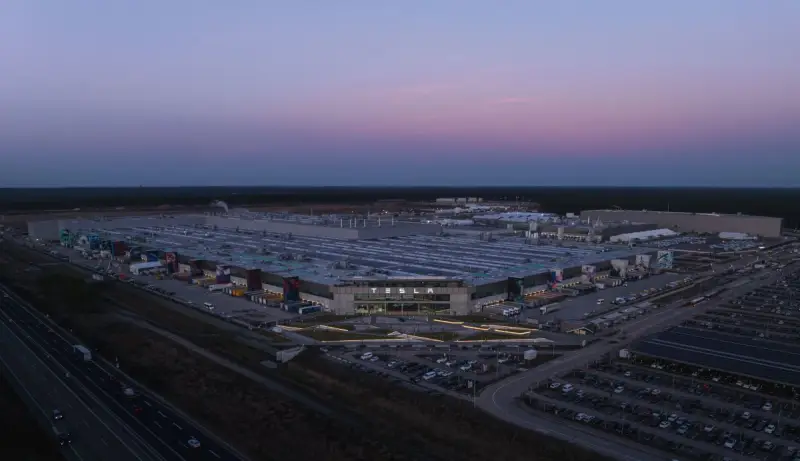
Tesla’s planned €3 billion expansion of Gigafactory Berlin would give the Cybercab a European production base, with the new facility designed for capacity of up to 1 million vehicles. The scale is notable, but the timeline is long: construction is scheduled to start in the first half of 2027, and production is expected to begin in 2029.

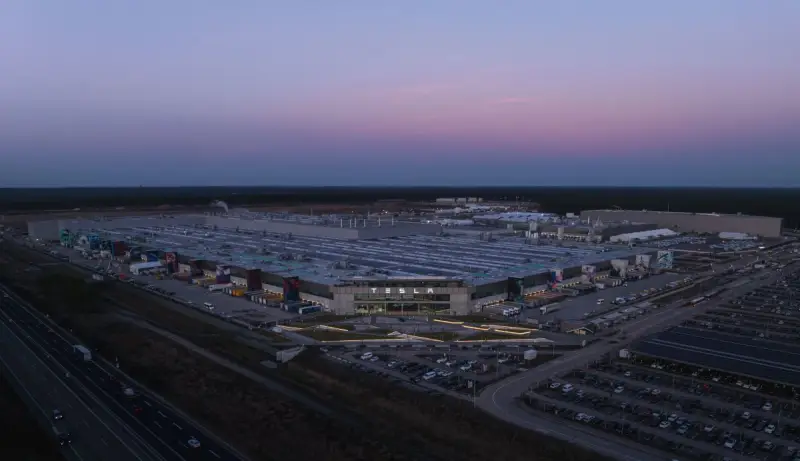
The project would add a dedicated production building to a site that currently makes the Model Y. Tesla plans to submit its building permit application before the end of 2026. The company is also looking to hire several hundred people for construction and manufacturing planning, early steps in preparing the site for the new line.

A second production site for Cybercab
Berlin would become Tesla’s second Cybercab manufacturing location alongside Gigafactory Texas, where production began earlier this year. The first Cybercab rolled off the Texas production line in February. Adding a German site would bring production closer to European customers, though the announcement doesn’t specify how many vehicles Berlin will actually build each year or when deliveries from the plant might begin.

That distinction matters. The stated capacity of up to 1 million vehicles describes the facility’s potential, not a confirmed annual output target. Actual production will depend on how the factory is brought online and the conditions for operating the vehicle in each market. Tesla hasn’t provided a production ramp schedule.
The Cybercab is also starting to move beyond a fleet focused proposition in the United States. Tesla has invited select customers to order one for personal use, with pricing starting at $29,990 and initial deliveries estimated for December 2026. The announcement of a Berlin factory doesn’t establish European pricing, delivery timing, or whether the same purchase terms will apply there.

Capacity meets an open question
The facility’s proposed scale points to Tesla’s ambition for the Cybercab, but high installed capacity only becomes useful when demand, production readiness and operating conditions line up. A dedicated building could support a substantial manufacturing program; the 2029 start date leaves several years for Tesla to prepare the factory and refine its plans.

For buyers, the factory announcement offers little immediate guidance on ownership. It doesn’t include European prices, vehicle specifications, charging details or a local delivery schedule. Those details will matter as much as factory capacity in judging how the Cybercab could fit into the market. The U.S. personal purchase offer provides one reference point, but it can’t be assumed to define the European model or its availability.

The vehicle’s role also sets it apart from the Model Y, which is already built at Berlin. The new building is intended for a dedicated robotaxi, rather than an announced expansion of Model Y production. That gives Tesla a path to produce two distinct vehicles at the same site, while leaving the scale of each program dependent on future demand and production plans.

Part of a broader Berlin buildout
The Cybercab project follows other growth at the German factory. Tesla recently added more than 2,000 employees there and raised Model Y production to approximately 7,500 vehicles per week. Plans announced earlier this year include more factory buildings and rail infrastructure to support future production.

Battery work is also expanding. Berlin currently produces battery electrodes, while full battery cell production is expected to begin in mid-2027. That timing puts the battery plan ahead of the Cybercab production target, although Tesla hasn’t said how the cell operation would supply the new vehicle or how much of its battery demand it could cover.

The €3 billion investment, the planned hiring and the expected construction schedule turn the Cybercab’s European production from speculation into a defined factory plan. The next useful milestones are the building application and the start of construction; after that, the clearest measure will be how Tesla sets actual output and European delivery plans. For now, 2029 is the target, while the 1 million figure describes capacity rather than a promise of volume.
 Reuters reported the construction and production schedule.


