Tesla Robotaxi Trials Could Let Owners Add Personal Cars as Early as December 2026
- David Smith
- 933 views
Tesla says trials for owner-supplied Robotaxis could start in December 2026, but eligibility, hardware, fees and fare sharing remain unclear.
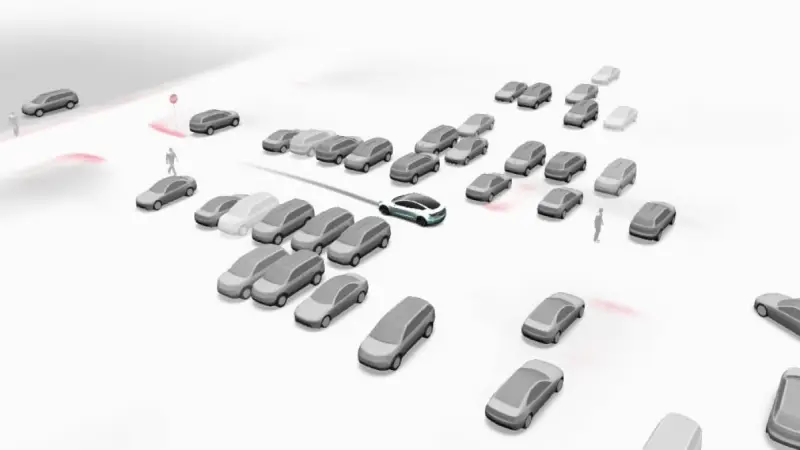
Tesla may be close to testing a long-promised idea: letting owners put their personal cars to work on the Robotaxi network when they aren’t using them. Elon Musk said trials could start as early as December 2026, depending on how preparations go. For owners, the date is only one piece of the equation. Tesla hasn’t explained who can join, which cars will qualify, or what drivers might earn after fees and operating costs.
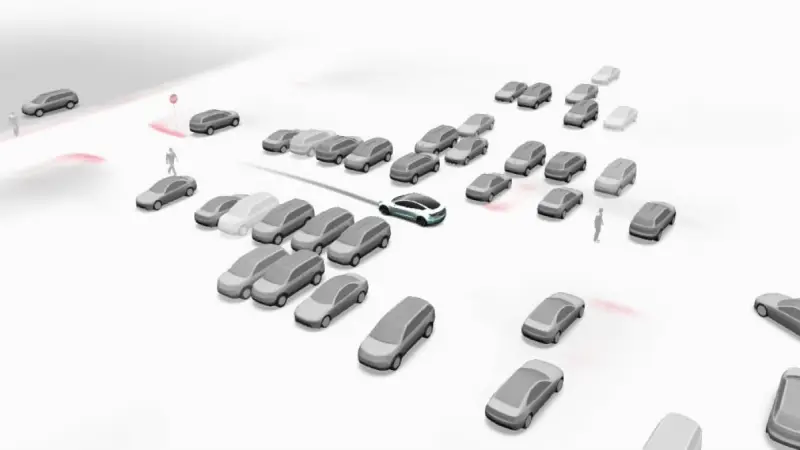
Musk gave the timeline in a response on X to an Austin Uber driver who asked about having his Model Y earn money without him driving. The answer points to an earlier start than Tesla had previously described. On the company’s third-quarter earnings call, AI vice president Ashok Elluswamy said customer vehicles might join the network around the second quarter of 2027. December would bring the trial forward by several months, though Tesla hasn’t published a launch plan or confirmed a location.

Austin is a likely starting point
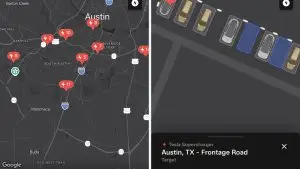
Austin is a plausible venue for the first trial: Tesla launched its Robotaxi network there and has tended to introduce new features in the city first. That makes it a reasonable expectation, but the trial location hasn’t been confirmed. Nor has Tesla said whether participation would be limited to a small group of owners, a particular model year, or vehicles already operating near the network.
Those details matter because a car-sharing service depends on more than an owner’s willingness to hand over access. The vehicle needs to meet the network’s operating requirements, and the owner needs clear rules for when the car is available, how it returns to them, and who handles upkeep. Tesla has yet to describe those arrangements for privately owned cars.
Hardware could narrow the eligible fleet
The Model Y may seem like an obvious candidate, given its role in Tesla’s fleet and its strong performance with Full Self-Driving, or FSD. But consumer Model Ys don’t necessarily have all the same equipment as Tesla’s Robotaxi Model Ys and Cybercabs. The network vehicles include additional communication units and camera washers, hardware that may be relevant to operating a car with little or no owner involvement.
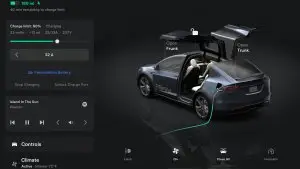
Tesla hasn’t said whether it will require those components for customer cars, offer upgrades, or start with vehicles already configured for Robotaxi use. That leaves a practical question for owners: a car that can use FSD for personal driving may still need different hardware or preparation before Tesla accepts it into a commercial fleet.
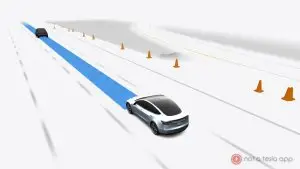
The distinction could shape the scale of any initial test. If the company accepts only a narrow set of cars, early participation may be limited even if the broader owner program is ultimately available across more of the fleet. If Tesla can use existing customer vehicles as they are, the test could draw from a much larger pool. The company hasn’t given enough information to determine which path it’s taking.
Fees and earnings are still unknown
Cost is another open issue. Tesla recently opened Cybercab orders to select customers at $29,990, with a required $299 monthly Autonomy Subscription to operate the vehicle. Musk later described that subscription price as too high, suggesting it might be reduced. Neither statement establishes what an owner would pay to connect an existing Tesla to the Robotaxi network.
Owners currently pay $99 a month for FSD, but Tesla hasn’t said whether that would remain sufficient for Robotaxi work. A separate subscription, a higher fee, or another arrangement could apply. The answer will affect whether owners see the service as a useful way to earn from idle time or as a business with substantial recurring costs.
Tesla also hasn’t announced how it would divide fares with vehicle owners or who would cover operating expenses. Charging, cleaning, tires and other routine upkeep all affect the value of putting a personal car into paid service. Without a revenue split and cost details, owners can’t estimate net income from the program.
Cybercab rules highlight the gap
There’s an unusual split between Tesla’s Cybercab offering and its Robotaxi network. Select customers can order a Cybercab for personal use, but those vehicles can’t be added to the network for paid rides unless Tesla authorizes commercial operation. The ownership agreement restricts them to personal use by default.
That restriction means buying a purpose-built Cybercab doesn’t automatically give an owner a way to earn fares. The proposed customer-vehicle trial could offer a different route for existing Tesla owners, but its operating terms are still unknown. Tesla’s earlier 2016 Master Plan described a future in which owners could share cars while they weren’t using them; a trial would be a first concrete step toward that model, nearly a decade after it was proposed.

For now, December 2026 is a possible trial start, not a confirmed date for broad enrollment or a promise of income. The details to watch are eligibility, required hardware, owner fees, fare sharing and how Tesla manages vehicle access. Those terms will determine whether the network can turn an owner’s parked car into a practical source of earnings.


