F1’s V8 Engine Plan Targets 2030, but Key Details Remain Open
- Jon Noble
- 696 views
F1’s proposed 2.1-litre turbo V8 has broad support, though engine rules, timing and manufacturer alignment still need work.
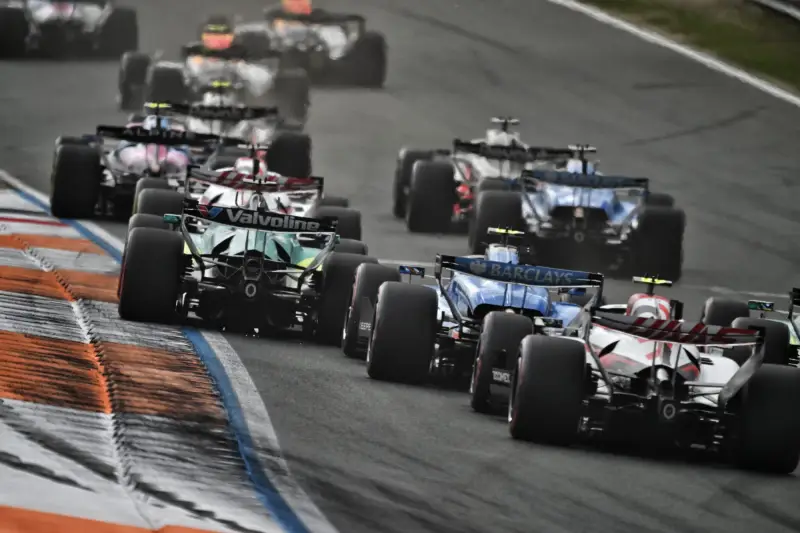
F1’s proposed return to V8 engines has a broad direction and a target date, but the short-lived announcement that set off speculation ran ahead of the work still to be done. The emerging concept pairs a 2.1-litre turbo engine with less electrical power and sustainable fuel. Whether it arrives in 2030 depends on manufacturers and teams backing a rules package that has yet to be settled.
A teaser before the details were settled
After a meeting between the FIA, Formula One Management (FOM) and engine manufacturers, FIA president Mohammed Ben Sulayem posted “You spoke, we listened. V8s coming soon,” with the sound of a V8 in the accompanying clip. FIA social channels also briefly displayed graphics referring to an agreement in principle for V8s from 2030. Those graphics were later removed, leaving the impression of a firm decision without a settled package behind it.
The reason for their removal isn’t clear. One possibility is that the wording and timing got ahead of the formal process needed to line up the stakeholders. The FIA, FOM and manufacturers all have a role in shaping the change, and the discussion after the meeting suggested that support for the general idea doesn’t yet extend to every element of the proposed rules.
Ben Sulayem’s post remains available on Instagram. Its message is clear about the direction he favors; it doesn’t, by itself, resolve the open questions about timing or technical details.
The proposed engine keeps familiar hardware
The current concept centers on a 2.1-litre turbo power unit. That size has been favored as a way for manufacturers to adapt their existing V6 turbo experience, a route described as simpler and less costly than a more extensive change. The proposal would retain turbocharging while using a smaller turbo and reduced boost pressure.
Electrical power would play a smaller part than it does under the current plan. The 350kW electric motor is set to fall to 200kW: 100kW would be available continuously, while the other 100kW would be reserved for an overtake system. That split would give the cars an electrical boost for specific moments while reducing their reliance on electric power across a lap.
Sustainable fuel is part of the proposed package. The engine concept therefore combines a different balance between combustion and electrical power with a change in fuel, rather than simply bringing back an older V8 specification. The details of how those elements work together remain part of the wider rules discussion.
Why 2030 remains a target, not a settled start date
F1’s existing engine rules are planned to remain in place through 2031, while Ben Sulayem has pushed for the V8 switch to happen in 2030. That would bring the new power units in ahead of the current rules’ planned end. The earlier date needs support from manufacturers and teams, backed by concrete proposals that they can assess.
There is a cost and development argument for moving sooner. Ben Sulayem has said that simpler engines could cost half as much, with research and development spending also reduced by half and production taking less time. Those are his stated expectations for the design direction, not confirmed outcomes for each manufacturer. Actual costs would depend on the final specification and the work each company needs to do.
The available reporting describes broad support for the V8 concept at the manufacturers’ meeting, but says manufacturers aren’t fully aligned on every part of the package. That gap matters: agreement on an engine’s basic layout doesn’t settle the supporting rules, the electrical system or the date on which teams would need to compete with it.
The next scheduled milestone is a meeting of the FIA World Motor Sport Council in Shanghai on December 10, where the framework for the new rules is due for discussion. F1 and the FIA have targeted outlining the rules before the end of the year. Reaching that point would give manufacturers and teams a clearer proposal to consider, though it would not by itself answer every question about implementation.
Car weight is part of the wider reset
The power-unit proposal is only one part of the planned changes. The FIA is also aiming to cut around 80kg from the current car mass, with the target of bringing cars below 700kg. That makes the engine discussion relevant to a broader design challenge: power, energy use and vehicle mass need to work as a package, and changes in one area can affect the demands placed on the others.
For drivers and teams, the practical questions will come into focus as the technical framework becomes clearer: how the reduced electrical output is deployed, how the overtake system operates, and what the lighter-car target means for the overall design. For now, the strongest takeaway is that F1 has a preferred V8 direction and a 2030 ambition, but still needs to turn both into rules that manufacturers and teams can support.