Australian EV Sales Hold Steady as BYD, Tesla and Geely Lead October
- David Waterworth
- 740 views
Plug-in vehicles held roughly a third of Australia’s new-car market, while affordable electric SUVs and PHEV utes shaped October’s sales picture.
Electric vehicles kept a substantial foothold in Australia in October, with battery electric models led by the Tesla Model Y and plug-in hybrids adding to the shift away from petrol and diesel. The market’s share appears to have settled in the low to mid 30% range for plug-in vehicles, making affordability, model choice and the strength of ute offerings the key factors to watch.

The latest figures cited for September show 108,778 passenger vehicles sold across all drivetrains. Battery electric vehicles (BEVs) accounted for 24.2%, or 26,287 units, and outsold petrol-only and diesel-only vehicles. Another 10,072 plug-in hybrids (PHEVs) brought combined plug-in penetration to about 34%. PHEV sales grew 122% year on year, while 17,843 conventional hybrids were sold, up 20% from a year earlier.
That steady plug-in share matters for buyers: electric options are no longer confined to a handful of familiar badges. The market’s next test is whether more models can turn rising interest into sustained sales, especially in segments where drivers have long chosen petrol SUVs or utes.
Running costs bring EVs into everyday conversations
For prospective buyers, the case for an EV is becoming easier to discuss in practical terms. A recent drive in a Tesla Model Y impressed one neighbour with its technology and finish, but the running costs stood out most. The neighbour had just paid AU$82 to fill a Honda Civic and AU$121 for an Isuzu D-Max. Those are individual examples, not a complete ownership-cost comparison, but they show why fuel expenses are prompting more questions.
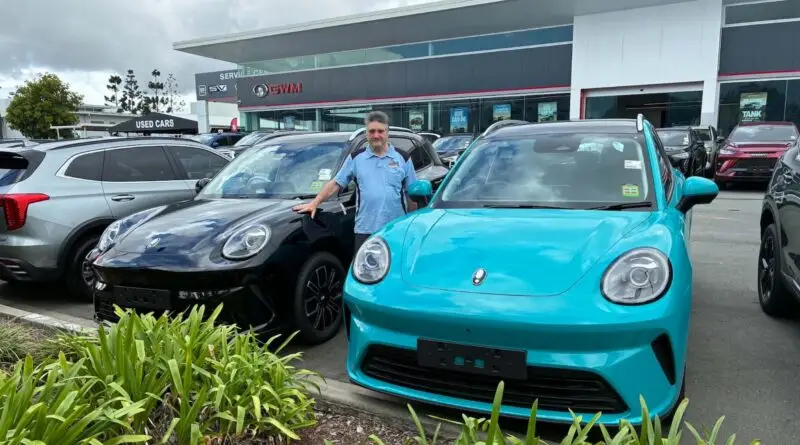
EV visibility is also growing beyond Tesla and BYD. On one shopping trip, 10 of the 50 vehicles in a car park were electric. The group included Zeekr, Geely, GWM ORA 5 and Deepal models as well as Tesla and BYD vehicles. Yet some drivers still say they rarely spot brands beyond the best-known names. More models on the road may help broaden recognition, though buyers will also weigh price, access to servicing and parts, and the practical fit of each vehicle.
Lower-priced ORA SUV gains attention

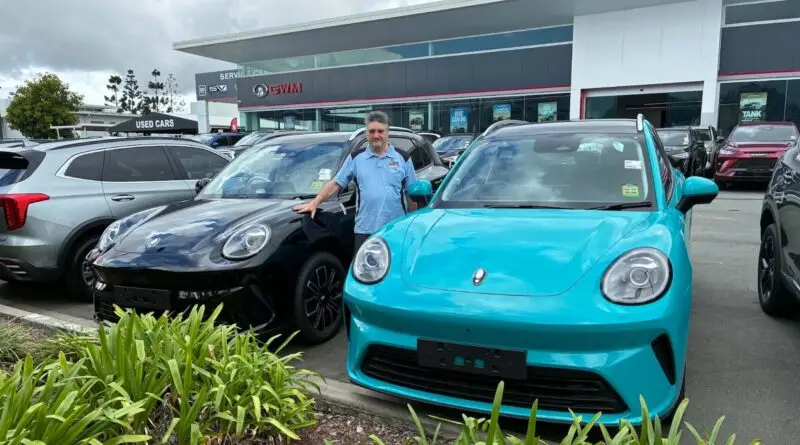
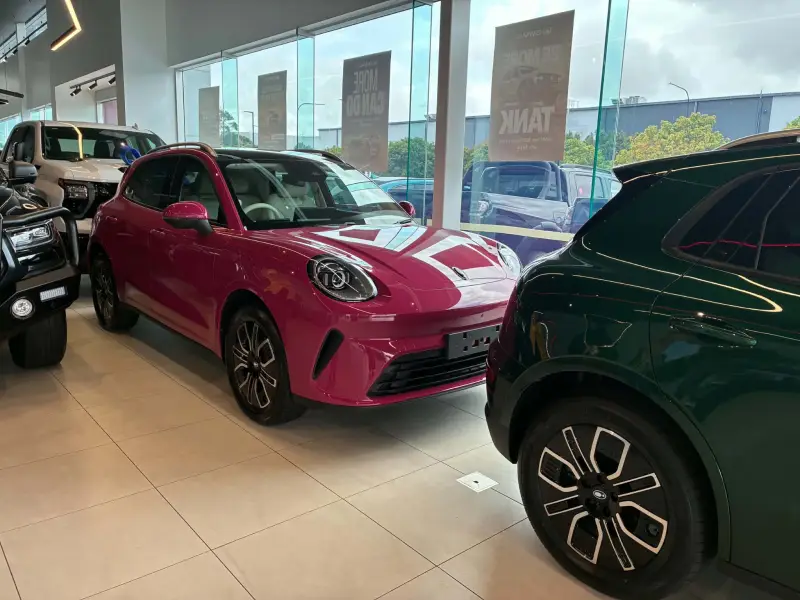
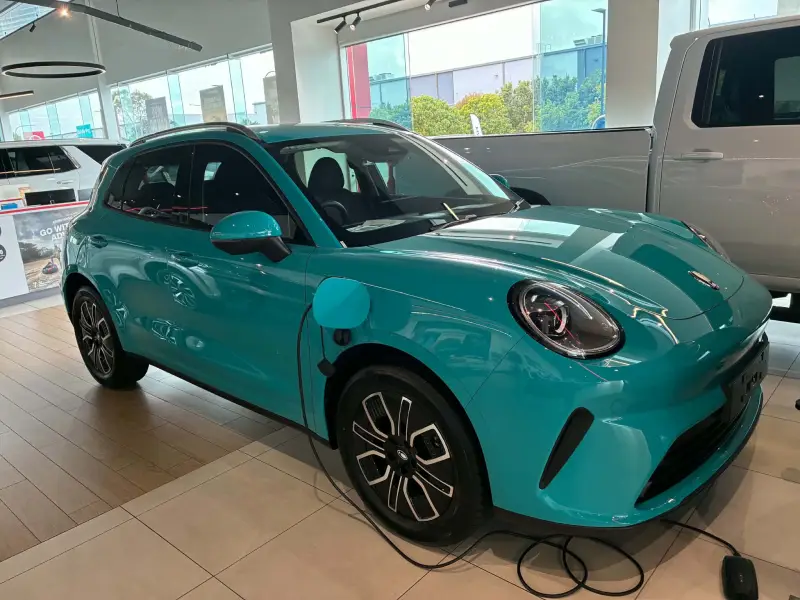
The refreshed Great Wall Motor ORA, now offered as an SUV, is attracting more attention at a lower price. The earlier Funky Cat arrived in 2023 at AU$46,000, but struggled to compete with the BYD Dolphin and MG4. The new ORA 5 was described at AU$34,000, with a further AU$1,000 reduction subsequently noted. The lower entry price and SUV body appear to be helping it find a wider audience.
That price change is a useful reminder of how quickly competition can reset expectations in Australia’s EV market. A vehicle that had trouble standing out at its launch price can look more compelling when the cost comes down and its body style suits buyers’ preferences. The ORA 5 was spotted six times on a highway in a single day, a small but telling sign of growing road presence.

Model Y leads, while Geely builds momentum
The October BEV sales ranking was close to the previous month’s, with the Tesla Model Y at the top: 3,105 sales in October and 39,105 year to date. The BYD Sealion 7 followed with 2,524 monthly sales and 22,488 year to date. Geely placed the EX5 third, at 1,789 for the month and 14,534 year to date.
- Tesla Model Y — 3,105 in October; 39,105 year to date
- BYD Sealion 7 — 2,524; 22,488 year to date
- Geely EX5 — 1,789; 14,534 year to date
- Jaecoo J5 — 1,714; 12,378 year to date
- Zeekr 7X — 1,441; 12,241 year to date
- Geely EX2 — 1,350; 4,314 year to date
- Tesla Model 3 — 945; 6,720 year to date
- MG4 Urban — 894; 3,824 year to date
- BYD Atto 2 — 747; 9,420 year to date
- BYD Atto 3 — 709; 5,070 year to date
BYD had six models among the top 20 BEVs and led the market by brand, with Tesla close behind. No Korean, Japanese or European brands appeared in the top 10. Across all powertrains, BYD ranked second among brands, behind Toyota. Geely is another brand to watch: it said it had opened 100 dealerships in Australia over the previous 18 months. The EX5’s sales put it into direct competition with established medium SUVs such as the Mazda CX-5, Hyundai Tucson, Mitsubishi Outlander and Nissan X-Trail.
Utes remain an open challenge
Utes still command a major place in Australia’s market, but BEV options have yet to make a strong sales impact. The KGM Musso BEV had sold 269 units over the past few months, while the Toyota BEV Hilux had 14 units in the country, likely as demonstrators. PHEV utes have gained more traction: the BYD Shark led that segment, with more than 15,000 sold so far this year. A competitive electric ute could reshape the rankings, but the current figures show how much room remains for a BEV model that fits buyers’ needs.
Competition is bringing buyer concerns into sharper focus. Established-brand dealers have called for a temporary halt to new car brands entering Australia, arguing that they’re struggling to compete. The Australian Automotive Dealer Association’s chief, Mr Voortman, said the latest quarter marked the sector’s first loss since the global financial crisis and warned that rapid brand turnover could leave customers facing depreciation, parts delays, longer repairs or vehicles without ongoing support. Chinese brands accounted for 36% of new-car sales. Those concerns are particularly relevant to buyers comparing newer entrants: a low purchase price is only one part of the ownership equation.
October’s figures point to a market holding its ground rather than accelerating. The next signs to watch are whether affordable models such as the ORA 5 can sustain their visibility, whether Geely’s expanding reach translates into lasting demand, and whether electric utes can meet the expectations set by their PHEV counterparts.