Ford F-150 and Ranger Super Duty Considered for Japan Fleet Program
- Tim Esterdahl
- 496 views
A specialist fleet channel could bring several Ford trucks and vans to Japanese customers, with local support and configurations shaped by each project.
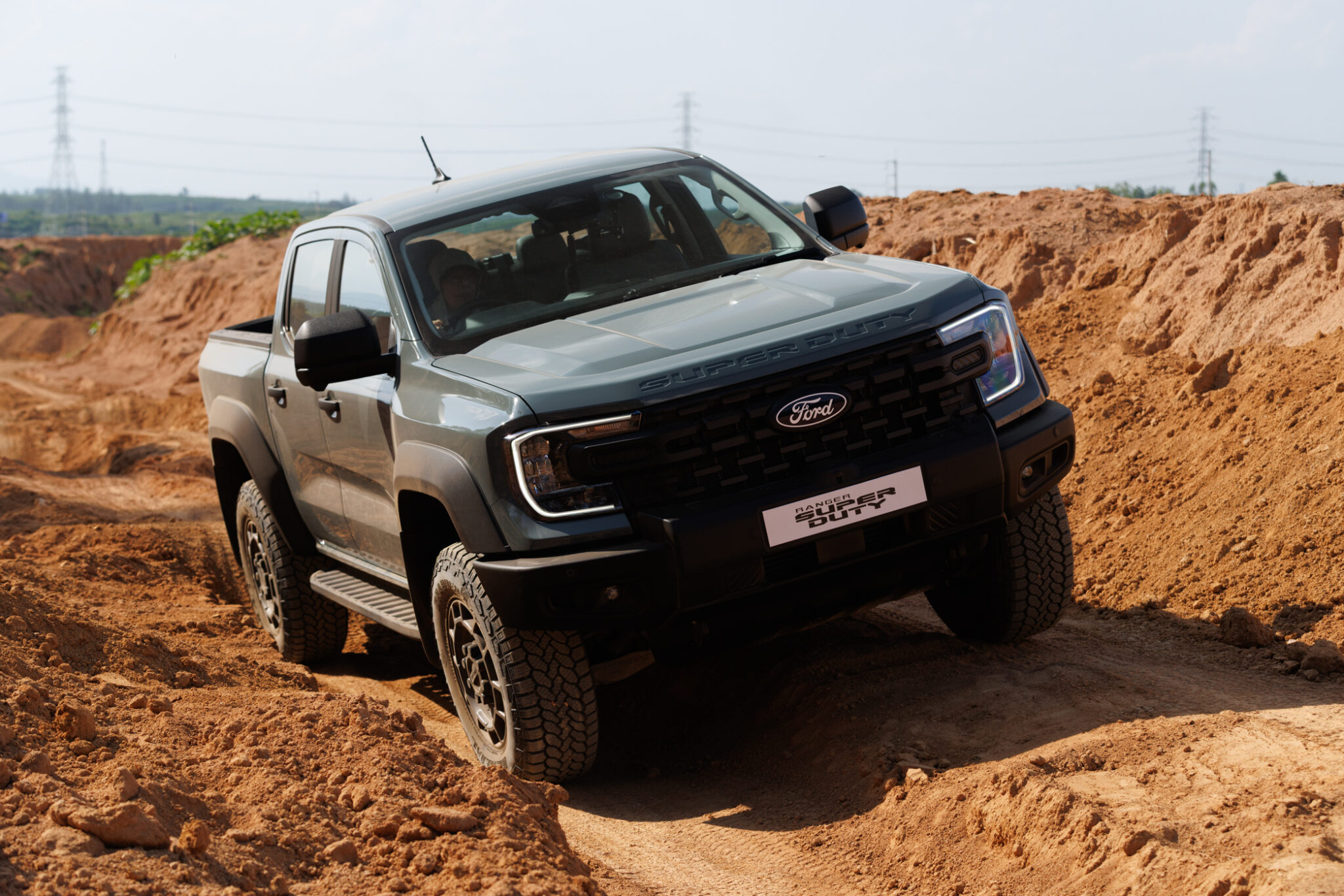
Ford’s possible route back into Japan runs through specialist fleets, with the F-150 and Ranger Super Duty among a broad set of vehicles under consideration. The plan pairs imported Ford models with local customer support and project specific conversions, rather than setting out a fixed retail lineup for private buyers.
Global Fleet Sales has appointed Yokohama based Space Factory as its local partner. The proposed range spans pickups, an SUV and a van: Ranger, Everest, Ranger Super Duty, F-150, F-250, F-350, F-450, F-550 and Transit. Which models can be supplied, and in what specification, will depend on the needs of individual projects and Japanese registration requirements.
A project based fleet offer
The roster reaches well beyond the best known F-150. It includes the Ranger family for buyers seeking a midsize pickup, heavy duty F-Series models for larger jobs, the Everest SUV and Transit van for work that calls for enclosed passenger or cargo space. Listing those vehicles signals the breadth of the proposal; it does not establish that every model is ready for immediate order in Japan.
Potential customers include organizations with demanding transport needs, such as relief groups and development organizations, along with public sector fleets. The stated uses range from emergency response and disaster relief to remote area work and humanitarian operations overseas. These jobs place different demands on a vehicle: one project may need passenger space and communications equipment, while another may call for cargo capacity, storage or changes suited to rough routes.
The Ranger Super Duty stands out because the supplied specifications point to substantial carrying and towing capacity. Global Fleet Sales cites payload of up to 1,982 kilograms, or about 4,370 pounds, and maximum braked towing capacity of 4,500 kilograms, or about 9,921 pounds, depending on configuration. Those figures give fleet planners a sense of the truck’s proposed working range, but they are not a promise that every version prepared for Japan will carry the same ratings.
That distinction matters when a vehicle is adapted for a particular job. Added equipment, a different body or a change to the electrical system can affect what a finished vehicle weighs and how it is used. Buyers will need model and configuration details for the vehicle actually offered, rather than relying on a headline figure for the nameplate.
More background on the truck is available in this Ranger Super Duty report. For the Japanese proposal, the key question is how the truck’s published capacity translates into a completed fleet vehicle and the equipment its operator needs.
Conversions and support in Japan
Global Fleet Sales, a subsidiary of RMA Group, would supply the vehicles and technical information. RMA Special Vehicles would provide conversion support using its modification capabilities in Thailand. Possible builds include ambulances, emergency response vehicles and trucks prepared for difficult off road conditions.
The companies describe the equipment as something to be specified around each assignment. Options could include communications gear, warning lights, storage, suspension changes and electrical upgrades. That approach makes sense for a specialist program: the needs of an ambulance differ from those of a pickup carrying equipment to a remote work site. It also means buyers should expect a project discussion and technical review before a final specification is set.
Space Factory would manage local customer coordination, importing, registration, delivery and domestic service. Its personnel have completed Ford service training, and planned support covers inspections, routine repairs and help in remote areas. Global Fleet Sales and RMA would back that local work with parts, diagnostic assistance and support for more complex repairs.
For fleet operators, service arrangements can matter as much as the vehicle list. A truck built for a remote assignment has to be maintainable after it leaves the workshop; parts access and a clear path to diagnosis help determine whether a specialized configuration is practical over time. The plan describes a support structure, though it does not yet give service coverage locations or response times.
What buyers still need to know
Pricing, order volumes and firm delivery dates have not been provided. The production origin will also be considered on a project by project basis, so the proposal does not commit to every vehicle coming from a U.S. factory. Availability, final specifications and approvals remain open questions for each model and build.
That leaves the program at an early, fleet focused stage. There is no announced nationwide consumer dealership return or retail launch date for Japanese truck shoppers. For prospective fleet customers, the practical next steps are to identify which models can meet their requirements, confirm the final vehicle’s capacity and equipment, and establish what local service and delivery arrangements apply.
The lineup’s breadth is notable, but the Ranger Super Duty’s combination of payload and towing figures makes it one of the most distinctive candidates. The details that will determine its usefulness in Japan are still ahead: the approved configurations, the completed vehicle’s ratings, pricing and the first delivery schedules.


