GM EV1 V212 Returns to the Road After a Yearlong Restoration
- Richard Davis
- 953 views
The 212th GM EV1 is running again after a year of work, with former program veterans and current employees helping restore the rare electric car.
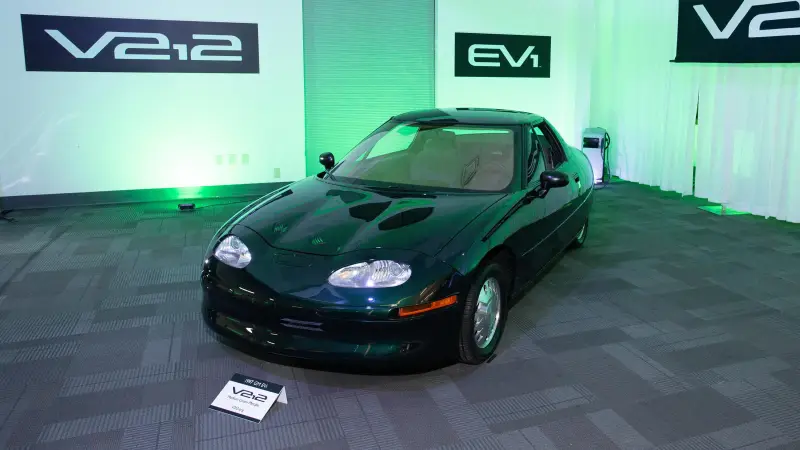
Thirty years after the GM EV1 first rolled out of Lansing, V212 is running again. The 212th example built, it has spent the past year in restoration after owner Billy Caruso bought it at auction in 2025 from a Georgia salvage yard. The car had been towed there after being left on an Atlanta university campus the year before.

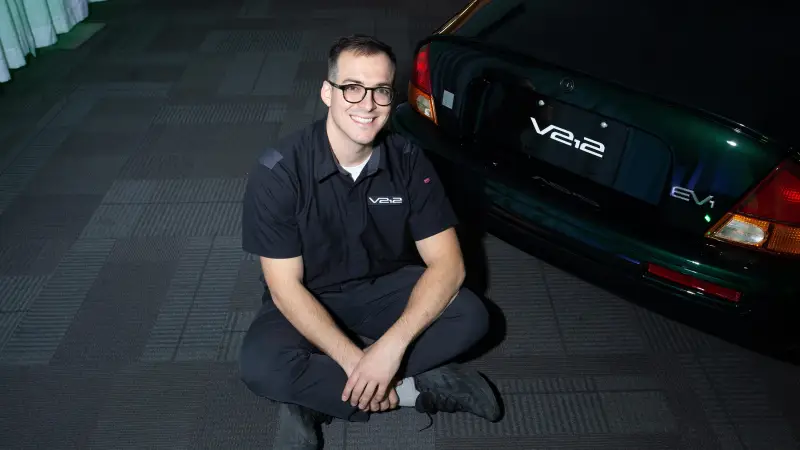
Getting a three-decade-old electric car back into working order took more than a conventional repair. Caruso and Jared Pink of the Questionable Garage brought in people with direct knowledge of the EV1’s design, including engineers and technicians from the original project and current GM employees. Their contribution helped the team identify parts, understand how the car’s systems fit together and work through the challenges of reviving an early EV.
The restoration also took the team to several GM sites: the Pontiac Engineering Center, the Global Technical Center, Factory ZERO and the Milford Proving Ground. Veterans shared experience spanning propulsion, thermal management and vehicle integration. That institutional knowledge mattered because the EV1 predates the service networks and parts supply that support today’s electric cars. When a component needs attention, knowing how it was designed can be as important as finding a replacement.
For parts that were no longer available, GM’s Mechanical Assembly department helped by removing components from a company-owned donor car. Reusing original pieces let the team preserve more of V212’s character while making it operational. That approach also reflects a practical constraint for owners of rare, early vehicles: restoration can depend on donor parts and specialist knowledge when standard replacement components aren’t on the shelf.


An early EV built around electric drive
The EV1 grew out of GM’s Impact concept, unveiled in 1990, and reached customers through a lease arrangement in the late 1990s. Its significance lies partly in its purpose-built layout: unlike an electric conversion based on a gasoline car, the EV1 was designed from the start for electric propulsion.
That design shaped the whole vehicle. An aerodynamic body and low-rolling-resistance tires helped limit energy use, while a lightweight aluminum structure reduced the mass the electric powertrain had to move. The car also brought together features that would become familiar in later EVs, including regenerative braking, a heat pump for cabin climate control, and electronically controlled accelerator and gear-selection systems.
Those choices show how many parts of an EV’s efficiency story are connected. Aerodynamics, tire resistance and vehicle weight all affect how much energy is needed to travel; climate control and braking systems influence how that energy is used. V212’s revival offers a tangible look at how engineers were addressing those challenges long before electric cars became a common choice for new-car buyers. The source material provides no current range, charging or performance figures for this restored example, so its return is best understood as a working piece of engineering history rather than a comparison with modern EVs on specifications.
A rare survivor with a longer story
The EV1 project ended, and GM reclaimed most of the cars; many were later crushed. That history makes surviving examples scarce and gives V212’s return added weight for people interested in the company’s early electric-car work. Its restoration doesn’t change the limits of a vehicle built for another era, but it does bring a functioning example back into view.
Caruso and the Questionable Garage also heard from former EV1 owners and enthusiasts around the world as the work progressed. That response points to the car’s enduring hold on people who followed the first generation of modern EV development. For them, V212 connects a pioneering design with the practical work of keeping an old electric vehicle running.
The most useful takeaway is the mix of preservation and hands-on expertise behind the project. Original components helped retain the car’s identity; knowledge from the people who designed and worked on it helped make those parts understandable and usable. V212’s return puts that history back on the road, where its engineering can be seen as a working vehicle rather than only remembered as an early chapter in GM’s electric-car effort.


