Stellantis Trailer Dolly Patent Adds Steering, Braking and Low-Speed Control
- Tim Esterdahl
- 993 views
Stellantis describes a powered dolly designed to steer and brake a trailer. Its practical value will depend on weight, cost, servicing and real-world performance.
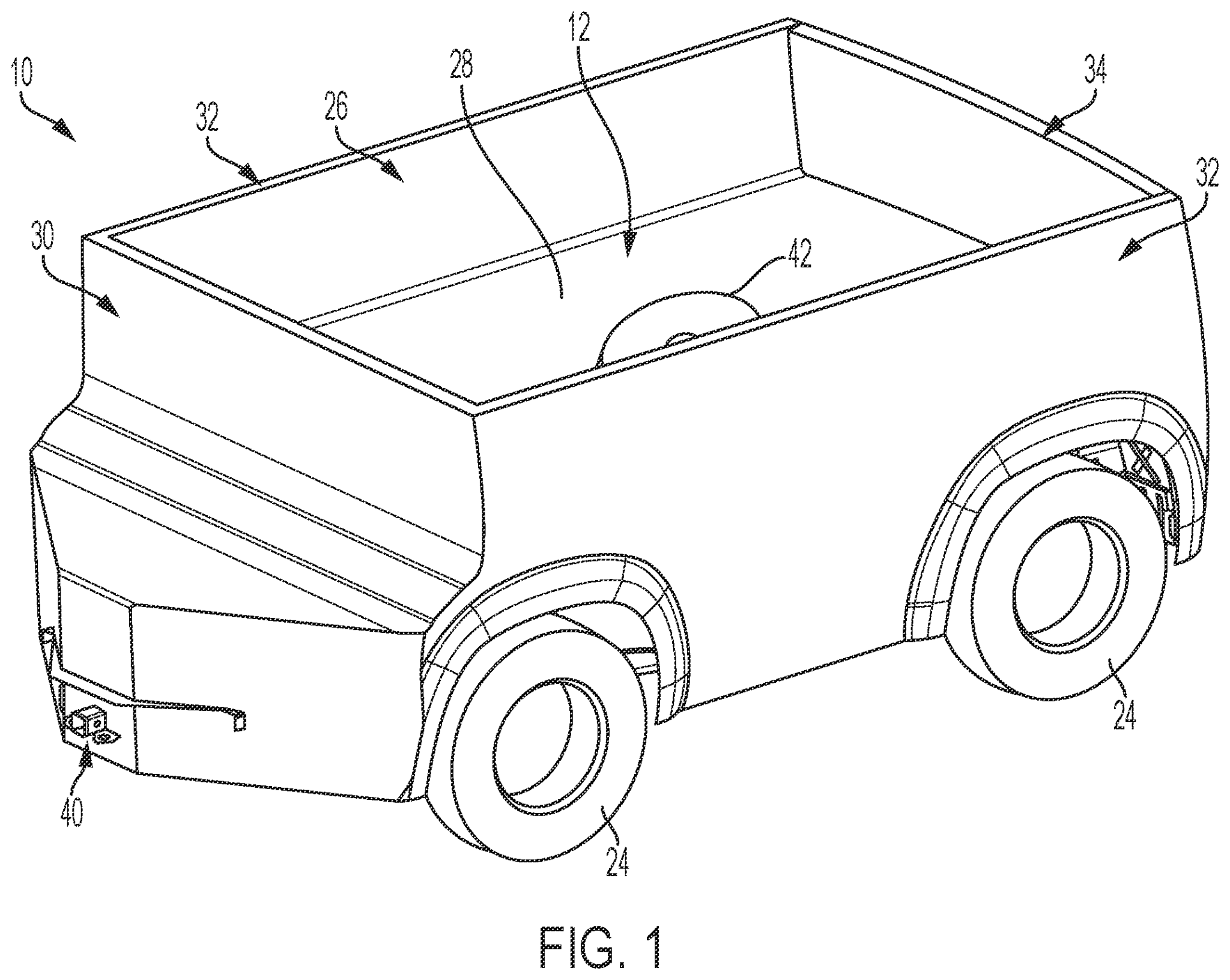
Stellantis’ trailer dolly concept shifts some of the work of towing away from the truck. A powered platform between the lead vehicle and trailer could add steering, acceleration and braking, with the stated aim of following the truck’s path and helping keep the trailer stable. The most useful test of the idea may come at a campsite or driveway, where precise low-speed maneuvering matters more than highway pulling.
The design appears in U.S. Patent 12,779,916, “Self propelled trailer systems,” assigned to FCA US LLC. The document was filed March 27, 2023, and granted November 3, 2026. It describes an engineering concept, not a listed accessory: it provides no retail price, production timing or approved towing capacity for any Ram or Jeep.
A powered platform at the hitch
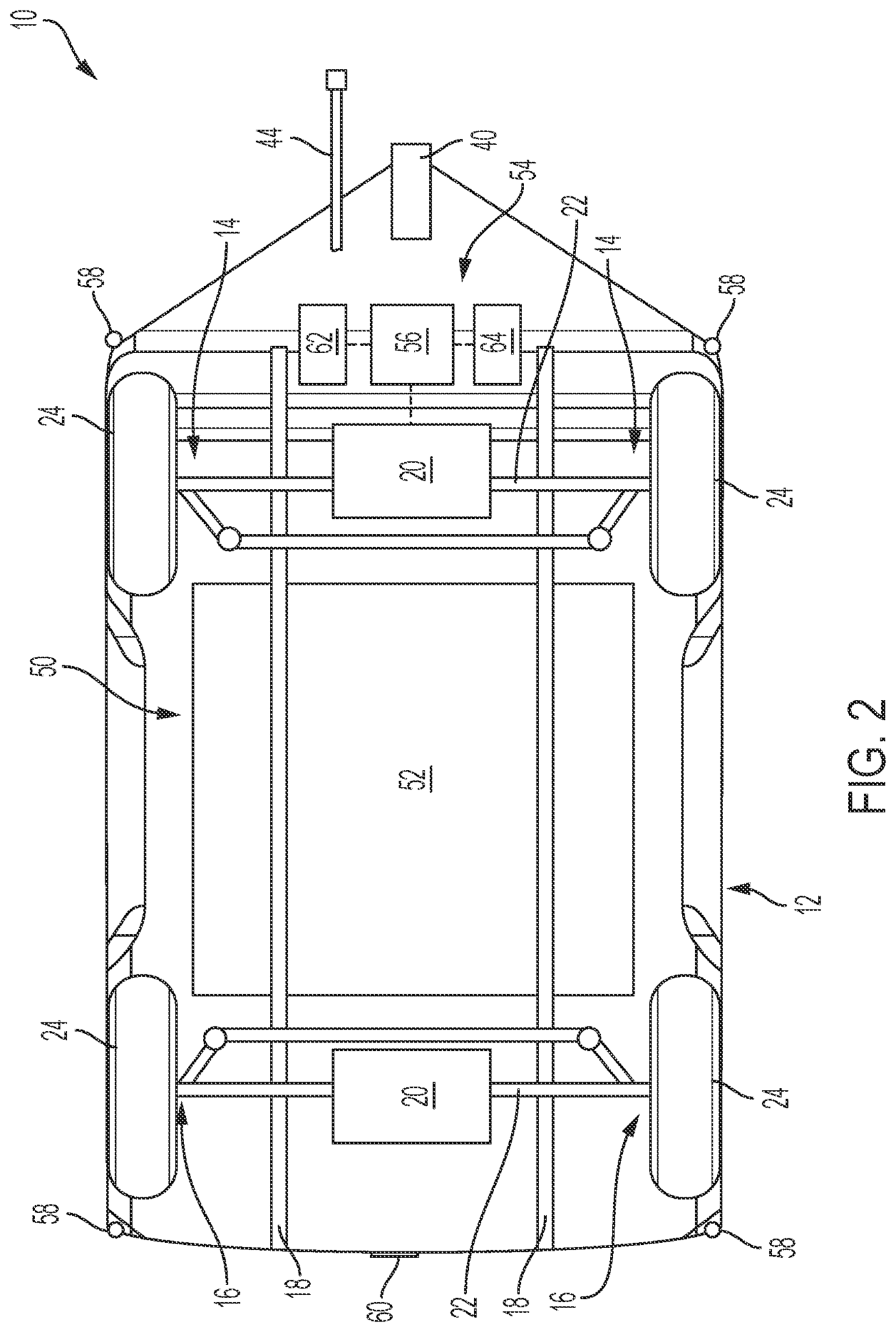
The platform has two axles, at least one of which can steer, along with an electric traction motor and a high-voltage battery. A hitch mounted on the dolly carries the trailer; the described configurations include fifth-wheel and gooseneck connections. Sensors and cameras feed a controller that manages steering, acceleration and braking.
The intended behavior is for the dolly to track the lead vehicle’s route, respond to obstacles and provide trailer stability control. That makes the device more than a powered aid for moving a parked trailer: the description places it in the connection between the towing vehicle and trailer, where it could actively influence how the combination responds.
That arrangement raises practical questions about how much the dolly itself weighs and how it affects the load carried by the truck. The document gives no figures for either. Any real towing benefit would depend on the complete vehicle, dolly and trailer combination, including its loads and handling. A drawing and control description cannot establish that a particular truck can safely or appropriately tow more.
Low-speed maneuvering is the draw
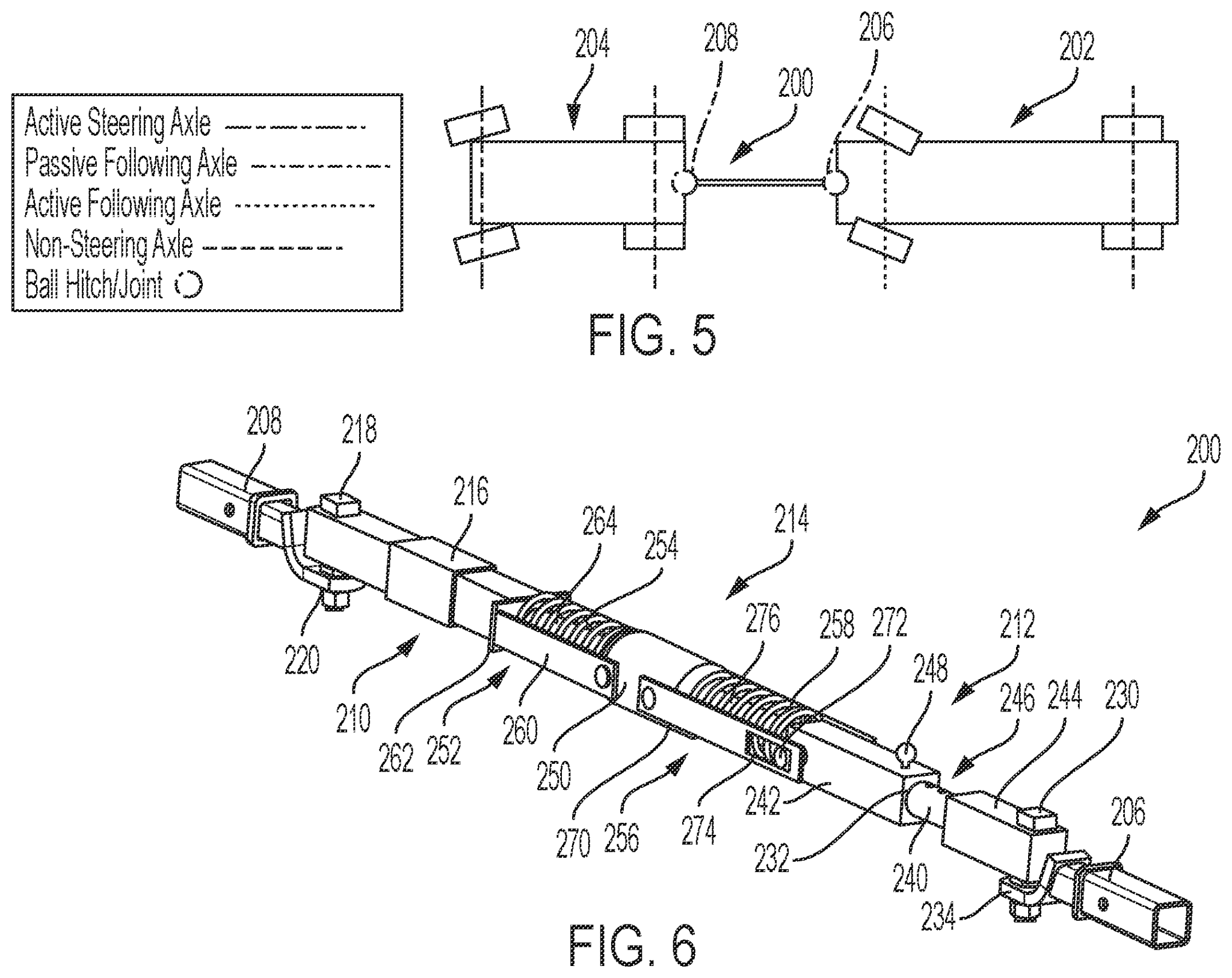
The system also describes manual, low-speed operation through an interface in the lead vehicle, controls on the dolly or a mobile app. An adjustable towbar uses damping and sensors to manage the forces between the vehicles. These provisions point toward a feature aimed at positioning and handling, not just adding propulsion while traveling down a road.
That’s where the concept could make the clearest difference for owners. Reversing a trailer into a narrow campsite, lining it up in a storage space or positioning it at home can be more demanding than towing it along an open highway. A powered, steerable connection might give the driver another way to guide the trailer at walking pace. Whether that feels simpler would depend on how the controls work, how quickly the system responds and how well it handles uneven or confined spaces.
There are other powered-trailer designs in FCA US LLC’s patent record. A grant dated April 14, 2026, addresses coordinated trailer control, including reversing. Another, granted April 28, describes control using a sliding towbar that senses length. Both, like the dolly design, trace back to a November 7, 2022, provisional application. The distinction in the November 2026 document is its removable platform that supports the trailer, rather than a control approach for a powered trailer alone.
What would decide its usefulness
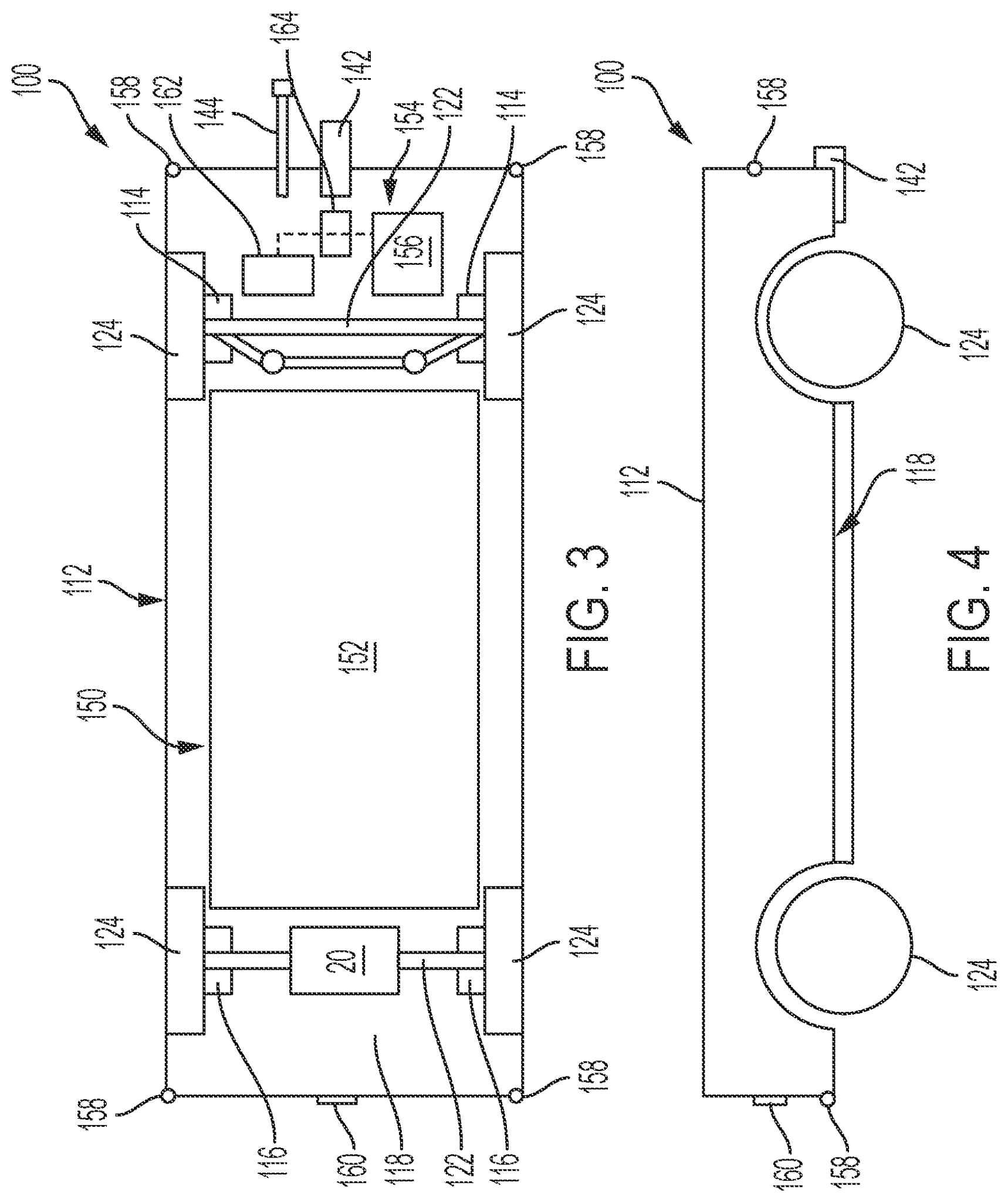
The document leaves the ownership details open. It does not state the dolly’s weight, price, service requirements or what happens when its battery runs low. It also does not identify which lead vehicles and trailers would be approved for use with the system. Those answers would shape whether buyers saw it as a practical towing aid or extra equipment that added cost and complexity.
Performance would need to be demonstrated with a finished unit. Drivers would want evidence of how the steering and braking behave with a loaded trailer, including on long grades and in tight turns. The system’s stated design goals do not supply measured results for range, stability or braking, and there are no figures here to compare with conventional trailer setups.
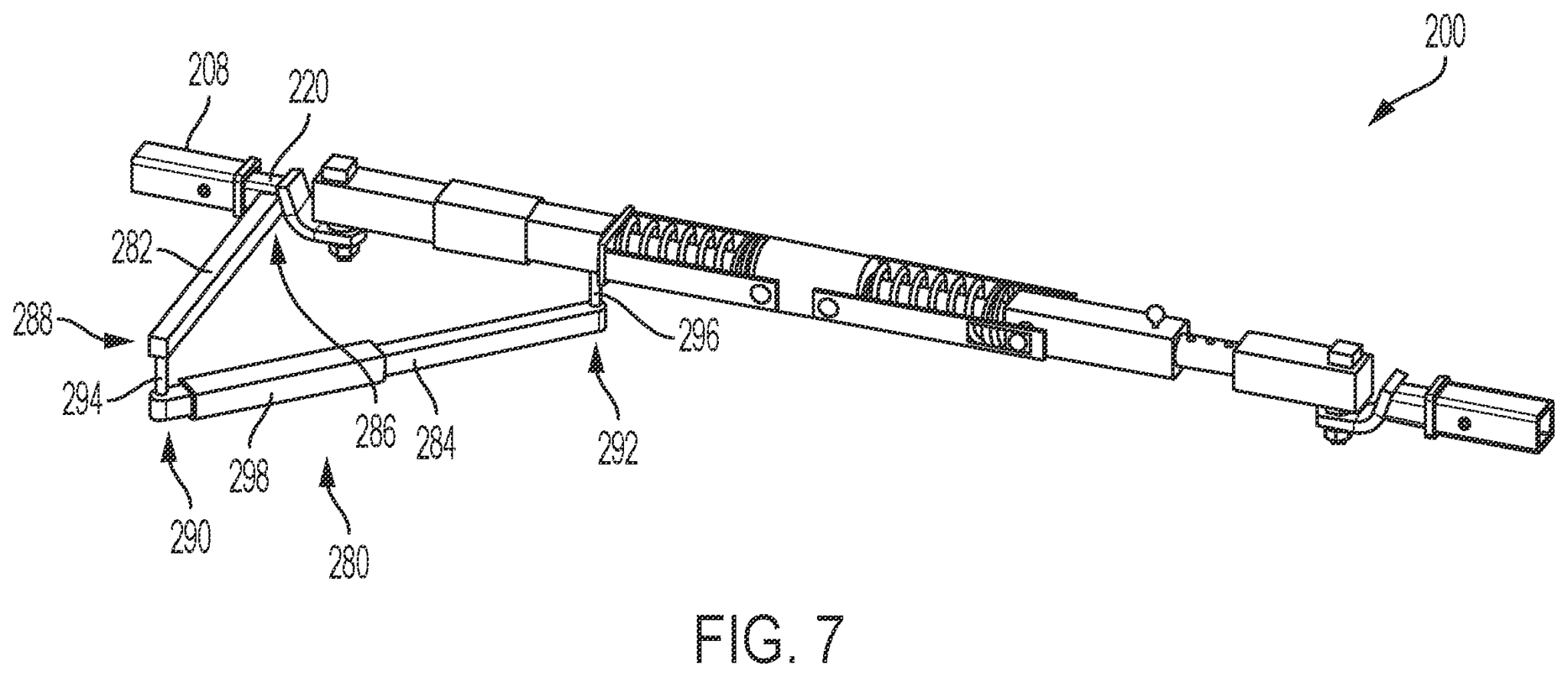
The concept is worth watching because it puts active steering and braking at the trailer connection, with low-speed control built into the proposal. For drivers, the next meaningful evidence would be a production version with published compatibility, weight and operating details, followed by testing that shows how it handles real trailers.


