Tesla Cybercab’s 40 kWh Battery and Liquid Silver Finish: What’s Changing
- William Williams
- 643 views
Tesla says efficiency gains will enable a smaller Cybercab battery, while liquid silver adds a second body color. Range and timing remain unconfirmed.
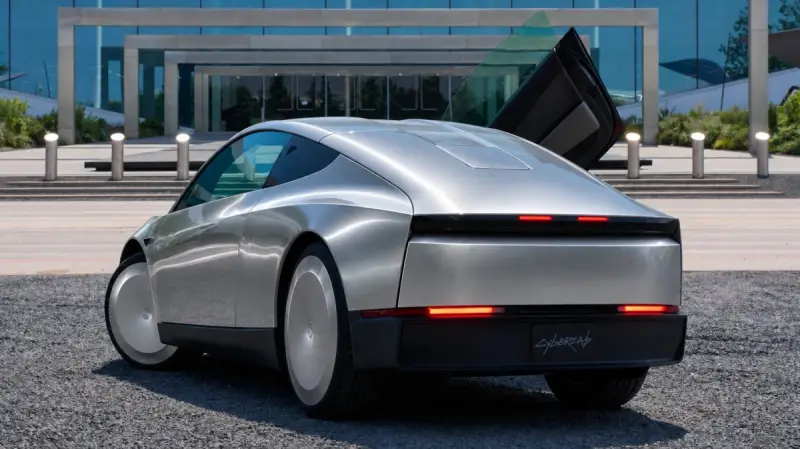
The Cybercab’s next update pairs a smaller battery with a second exterior color. Elon Musk says efficiency improvements will let Tesla use a 40 kWh pack, down from the current 47.6 kWh, and that the car will be offered in liquid silver as well as gold. The battery change could reduce weight and material use, but Tesla hasn’t provided a range figure or a date for the revised model.

Those missing details matter more than the color for prospective riders and fleet operators. The existing Cybercab is rated at about 293 miles of EPA-adjusted range, according to the figures reported for the current version. Whether the smaller pack can preserve similar range depends on how much efficiency the revisions deliver; Musk hasn’t quantified that improvement.
Efficiency will determine the range trade-off
Musk described the change in a post on X, saying “there are efficiency improvements coming that will allow for a 40kWh Cybercab pack.” The current model uses Tesla’s dry-cathode 4680 cells and is described as achieving just over 6 miles per kWh. At that consumption rate, its 47.6 kWh battery supports the cited range of about 293 miles.
A 40 kWh pack is roughly 16% smaller by capacity. If energy consumption stayed the same, a battery reduction of that size would ordinarily mean less driving range between charges. The stated efficiency gains are therefore central to the proposal: they could offset some or all of the capacity drop, but there’s no published figure to show how close the updated car might come to the current range.

For a vehicle intended for repeated passenger trips, range is only one part of the operating picture. A smaller pack could mean less energy stored on board and potentially less time spent replenishing it, depending on charging power and the vehicle’s duty cycle. Neither charging specifications nor a revised consumption estimate were included in Musk’s comments, so the practical effect for daily service remains unclear.

Weight and cost are other possible benefits. The current Cybercab is listed at 3,113 pounds, and a smaller battery could bring the vehicle below 3,000 pounds, though Tesla hasn’t confirmed a new curb weight. A lighter vehicle can require less energy to move, which may support efficiency, but the actual result depends on the full vehicle design and how it is used.

Battery design may allow changes over time
The pack’s construction could give Tesla options beyond simply reducing capacity. A teardown by Munro Live found individually replaceable modules and room in the battery design for lower-cost LFP cells. That modular arrangement could make it easier to service or revise the pack, although the teardown does not establish which cells will be used in the 40 kWh version or when such a change might reach production.

Tesla’s current pack uses 4680 cells with a dry-cathode design. Musk’s announcement points to efficiency improvements as the reason a smaller pack is possible, but doesn’t identify whether those gains come from the cells, the vehicle’s energy use, or other changes. Until Tesla shares specifications for the revised car, it’s safest to treat the smaller pack as a stated plan rather than a complete set of range and ownership details.

Liquid silver adds a second look
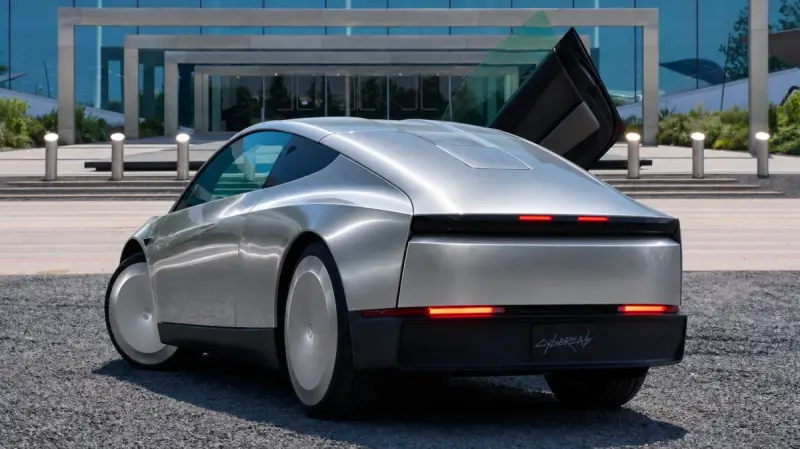
All Cybercabs shown so far have been gold. Musk says liquid silver will join that finish, describing the added color as a way to keep the fleet from looking too uniform. A second color could also help riders distinguish one vehicle from another, alongside the RGB light bar at the front that indicates which car is theirs.

The Cybercab’s panels are colored during molding rather than painted afterward. Tesla uses reaction injection molding, mixing color into the plastic before it is injected into the body-panel mold. The existing gold panels have a glossy appearance, and the silver finish may have a similar sheen, though Tesla hasn’t published specifications for the new color.

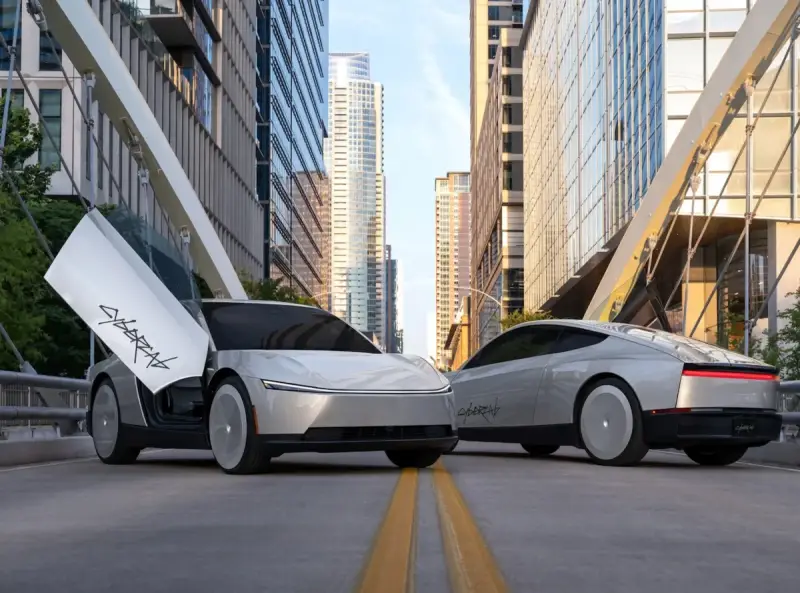
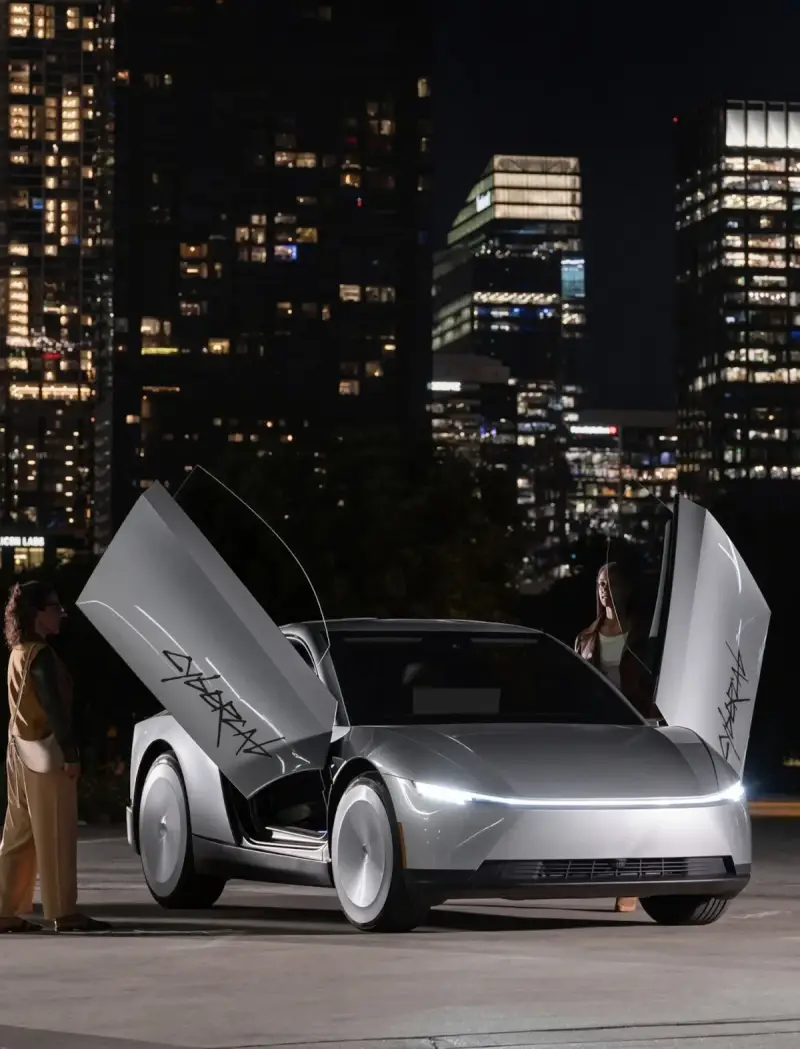
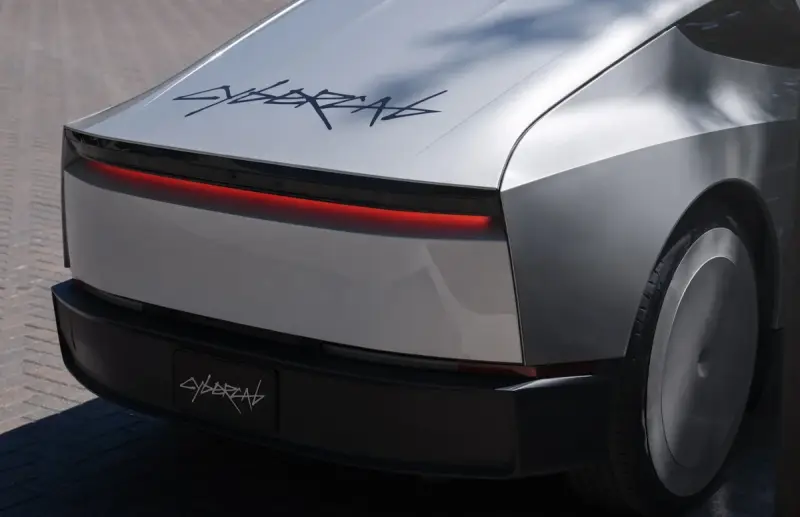
The images show liquid-silver Cybercab concepts, rather than confirming a final production finish. The molding process gives Tesla a way to make color part of the panel itself; the company has not said whether the silver panels will use exactly the same materials or production steps as the gold ones.

Production plans offer context, not a launch date
Tesla is working to increase Cybercab output at Giga Texas, where a night shift is reportedly being added to double production. The company also plans to end Cybertruck production in mid-2027 to free up more space for Cybercab manufacturing. Those steps suggest a larger production role for the robotaxi, but they don’t establish when the smaller battery or silver finish will enter production.
Cybercab rides are set to expand beyond Austin this month, while the first customer deliveries are targeted by the end of the year. The timing of the 40 kWh version remains unspecified. A 2027 appearance is possible based on the stated production plans, but Tesla hasn’t confirmed that schedule.
For buyers and fleet operators, the key details to watch are the revised range, charging performance, weight and availability. The smaller pack could lower the vehicle’s mass and battery requirements, while the efficiency gains will determine whether it can retain the current model’s range. Until Tesla publishes those numbers, the 40 kWh Cybercab is a notable direction for the program, but its day-to-day operating advantage is still unproven.


