Tesla Cybercab Ownership Rules: $299 Subscription, Restricted Use and No Customization
- Robert Miller
- 453 views
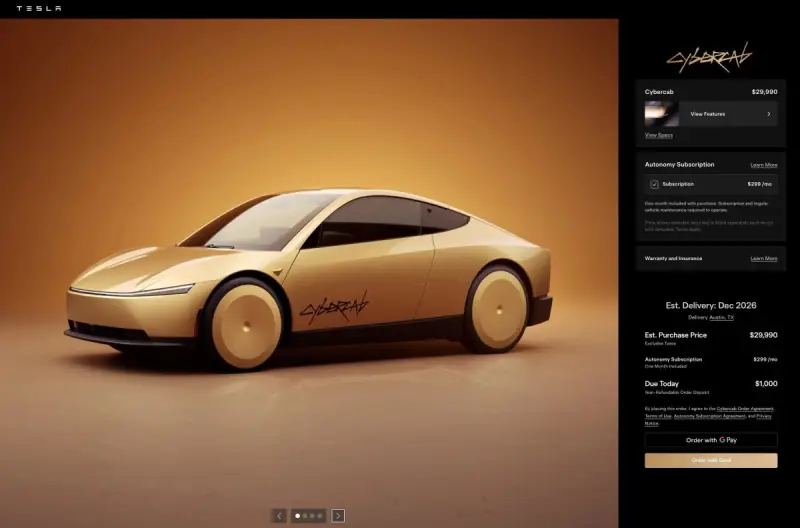
Cybercab buyers face a changeable $299 monthly fee, limits on where and how they can drive, and strict rules on modifications and data.

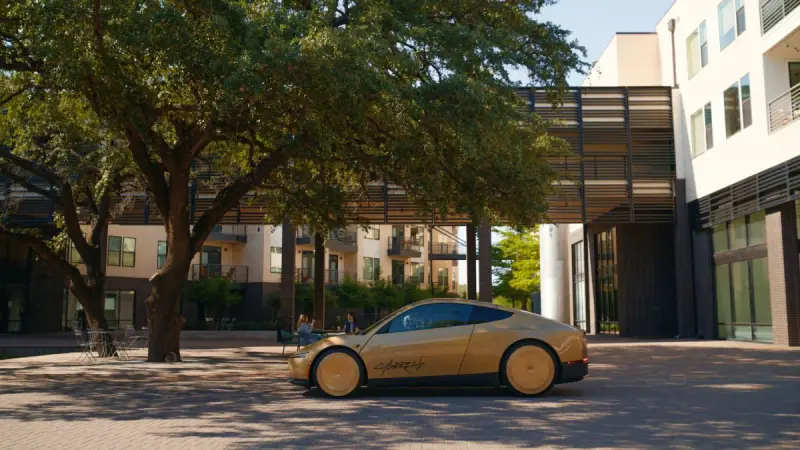
The Cybercab’s $29,990 purchase price is only part of the ownership calculation. Tesla also requires a $299 monthly Autonomy Subscription, and its terms govern where the car can operate, how owners may use it, and what they can change. For buyers, the key point is that purchasing the vehicle doesn’t provide independent access to its autonomous driving functions.

The subscription renews monthly and can be canceled through a Tesla Account at any time. Payments aren’t prorated, however, and the Cybercab won’t operate without an active subscription. Canceling therefore means parking a vehicle that still belongs to the owner. Tesla can change the monthly price with one month’s notice, and continuing the subscription after updated terms take effect counts as acceptance of those terms.

There’s room for the fee to move in either direction. Elon Musk has said the $299 price is too high and should be closer to $115 per month, but the agreement doesn’t promise a reduction. Buyers will need to weigh the purchase price against a recurring cost that Tesla can revise, while keeping in mind that the subscription is tied to the car’s ability to operate.
Personal driving within a defined area
The agreement currently limits the Cybercab to personal, non-commercial use. Owners can’t put it on Tesla’s Robotaxi network or use it for services such as Uber, DoorDash or rental platforms unless Tesla permits that use. A future Robotaxi option has been anticipated, but the terms described for current owners don’t provide access to it.
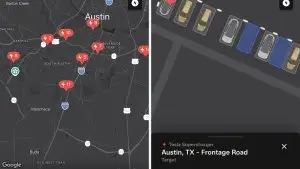
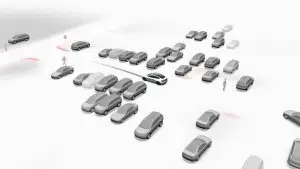
Where the car can go is also constrained. The agreement says operation is limited to Tesla’s Robotaxi geofenced areas, with current availability restricted to Texas. Driving outside the designated area is prohibited and may be blocked by the vehicle’s technology. Tesla can change, expand or move those boundaries, and the Cybercab’s operating area may differ from the area served by Tesla’s Robotaxi service.
That geographic limit has a practical effect on daily use: a buyer can’t assume the car will work wherever a conventional vehicle can travel. The operating area is part of the ownership terms, and changes to it could affect which trips the Cybercab can handle. Prospective owners will want to check the active boundary for their location and routes, as well as whether the area changes over time.
Appearance and software changes are controlled
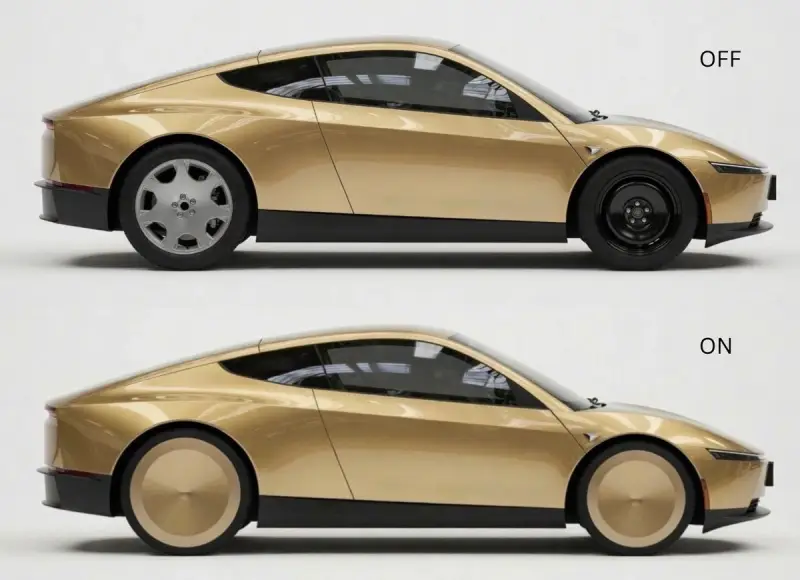
Owners can’t freely personalize the Cybercab. The terms prohibit modifications including body wraps, window tint and replacement wheels unless Tesla or a Tesla-authorized provider carries out the work. A violation can lead to suspension of the Autonomy Subscription, which would also leave the car unable to operate under the subscription requirement.
The agreement also bars reverse engineering or tampering with Tesla software. Taken together, these restrictions place both the car’s appearance and its software outside the owner’s usual scope of modification. Anyone considering aftermarket work should confirm that Tesla or an authorized provider can perform it before making plans.
Remote limits and strikeouts
The Cybercab’s autonomous operation can be suspended after three or more strikeouts for improper or unsafe use by the owner or a passenger. The suspension lasts one week, and the vehicle may be unavailable for that period. The subscription charge continues without a prorated credit, so a strikeout can reduce access while leaving the monthly bill unchanged.
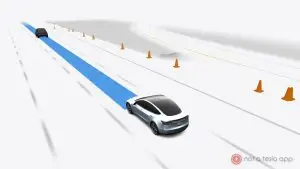
Tesla also reserves the ability to locate a Cybercab remotely, restrict it, take control or place it in a safe state. It can limit operation according to road type or weather, and can apply restrictions during investigations or software rollouts. For owners, this means availability may depend on Tesla’s operational controls as well as the car’s location and subscription status.
Passengers, service and data
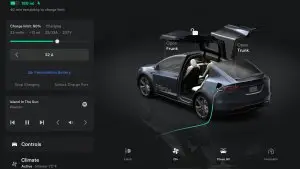
The Cybercab seats no more than two people. Tesla advises against travel by children under 13; if a child does ride, an adult must accompany them and the child must use an appropriate car seat. The touchscreen’s manual controls can move the car short distances at up to 2 mph, but they aren’t intended for public roads and require a valid U.S. driver’s license.

Maintenance is structured around the vehicle driving itself to a Tesla service center. If technicians identify a repair that isn’t covered, the owner has two hours to approve it. Without approval in that window, the Cybercab returns without the repair. A required safety inspection also matters: skipping one can restrict the vehicle from operating.

Owners remain responsible for tolls, parking charges and traffic violations. If they believe the Cybercab caused a violation, they can submit documentation and ask Tesla to pay. The agreement doesn’t make those costs automatic Tesla expenses; they sit with the owner unless the request is accepted.
Data collection is another part of the arrangement. Tesla collects location information, exterior camera recordings and cabin camera images during trips, plus audio during support calls. The stated default storage period is 30 days. That gives buyers a specific retention window to consider, alongside the operational rules and monthly fee.
First customer deliveries are expected next month. Early ownership will show how the subscription, geofence and service process work in routine use; for now, buyers should treat the Cybercab as a vehicle whose access and operating terms remain closely tied to Tesla’s systems.